
## The rainforest that gets more rain than almost anywhere in the U.S.
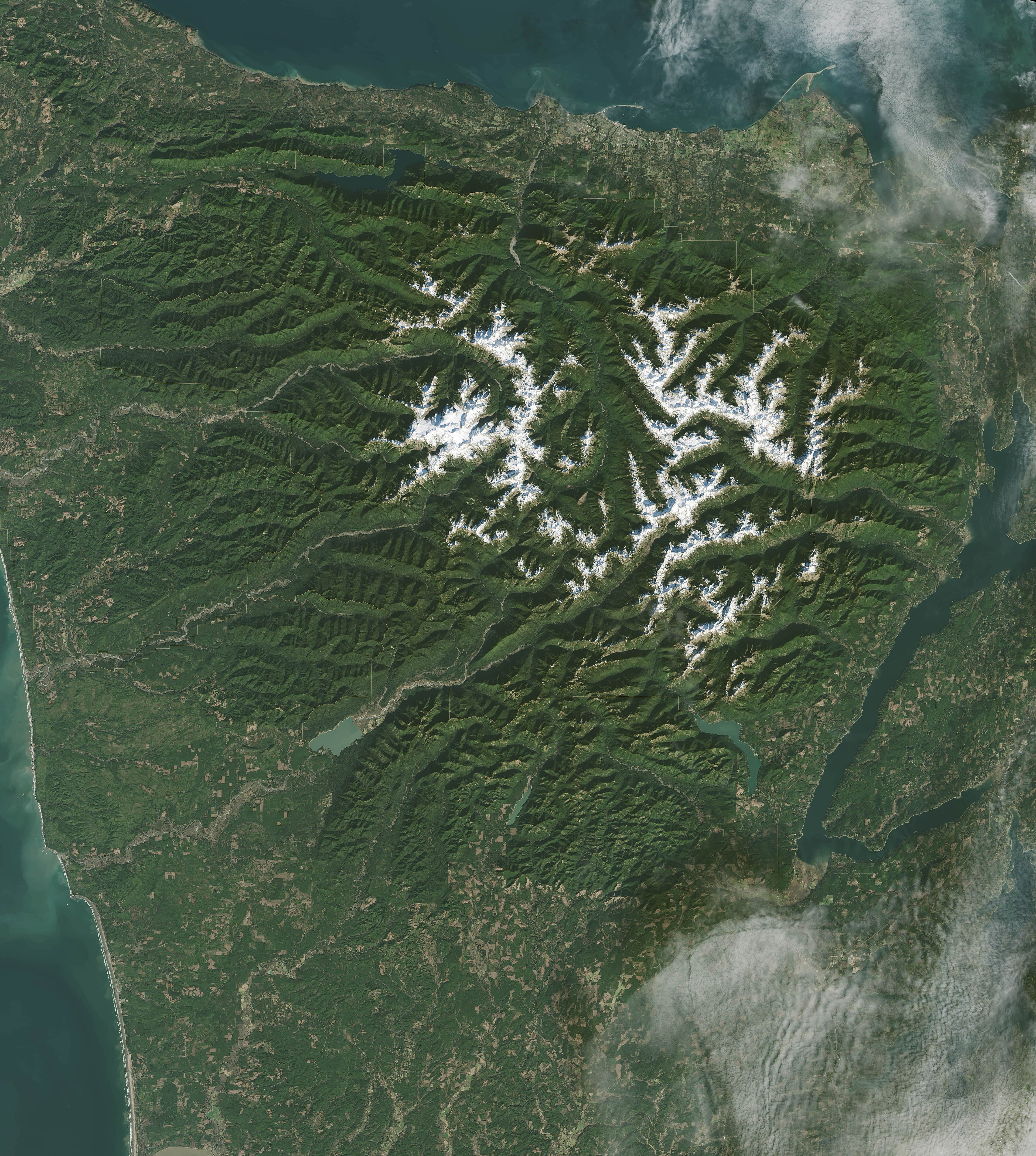
The Hoh Rainforest sits in Olympic National Park on the western edge of the Olympic Peninsula, in the wettest corner of Washington and one of the wettest corners of the country. The area averages more than 12 feet of rain a year, and the forest floor is a continuous layer of moss, fern, and rotting wood, so the whole place has the damp, slow, green quality of a place that has never fully dried out. It is the largest temperate rainforest in the United States, and the trailheads are close enough to the highway that a visit is a short stop rather than a commitment.
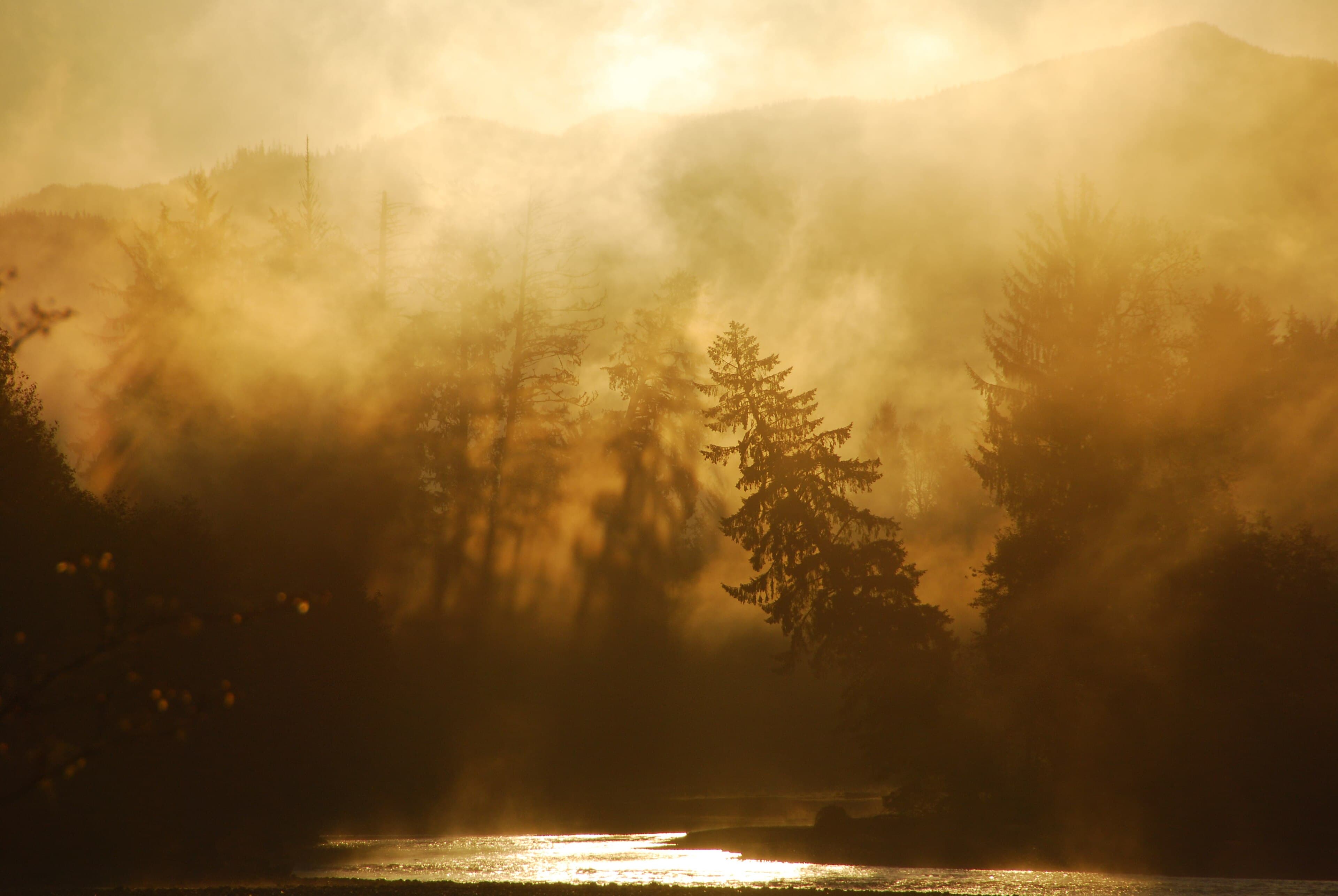
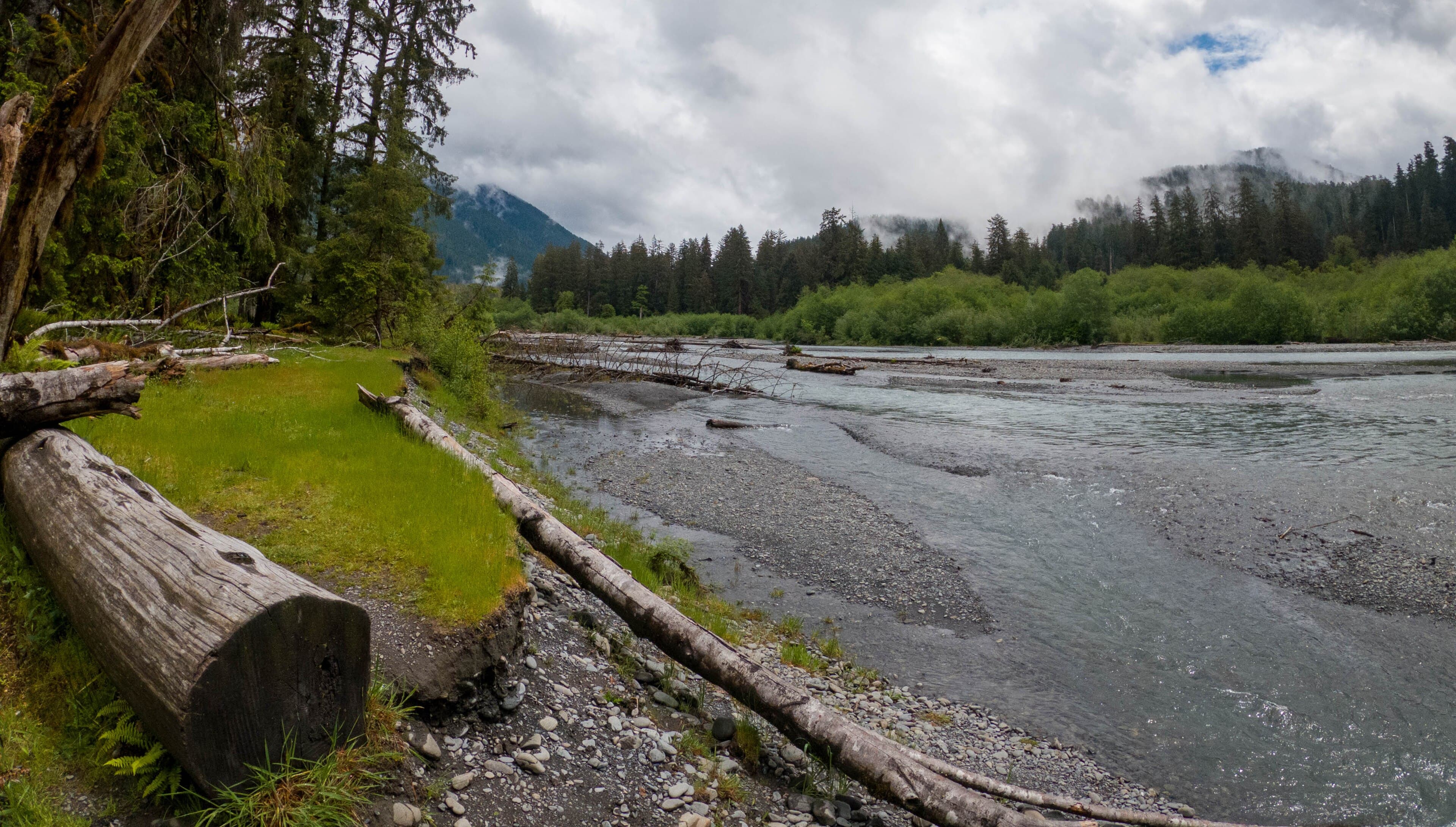
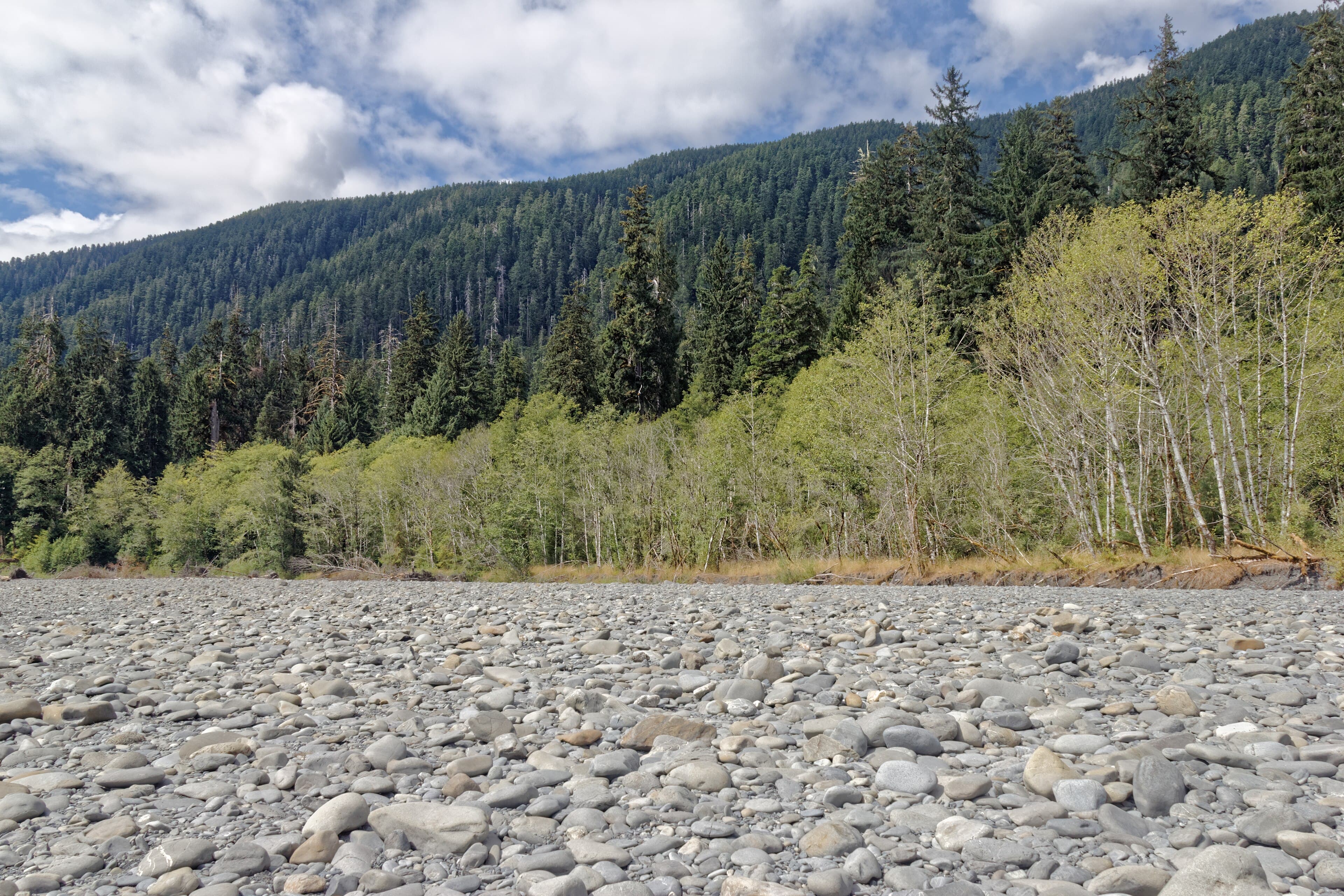
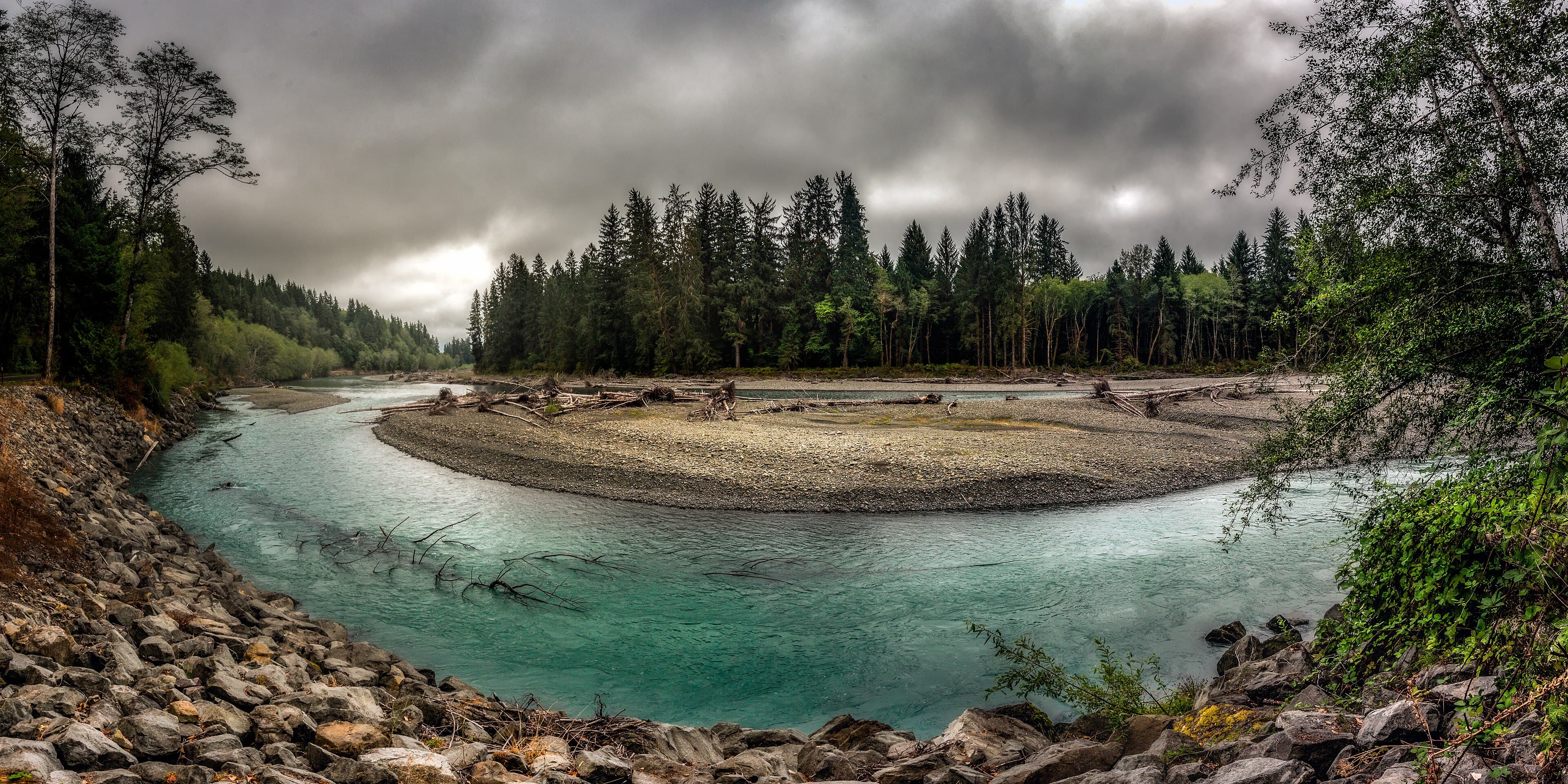
The rainforest is a protected part of Olympic National Park, and the park boundary is the thing that keeps the old-growth standing. The Hoh River runs the length of the rainforest and drops from the high country to the coast in a series of waterfalls, and the valley floor is where the trails, the elk, and the salmon all meet. The nearest town is Port Angeles, and the forest is a half-hour drive south of it, so the drive in is short and the rain is the first thing you notice.
### The forest and the moss
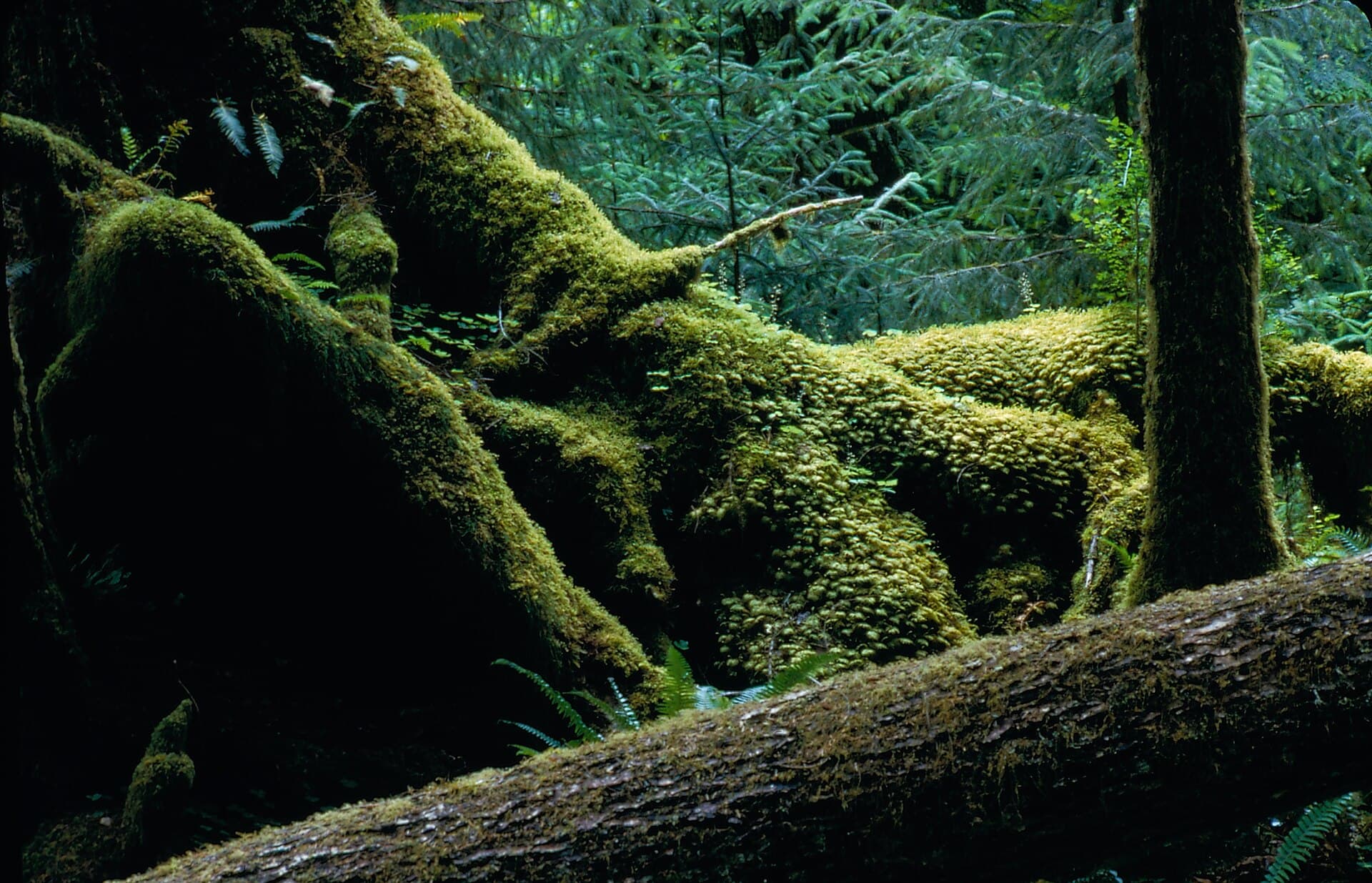
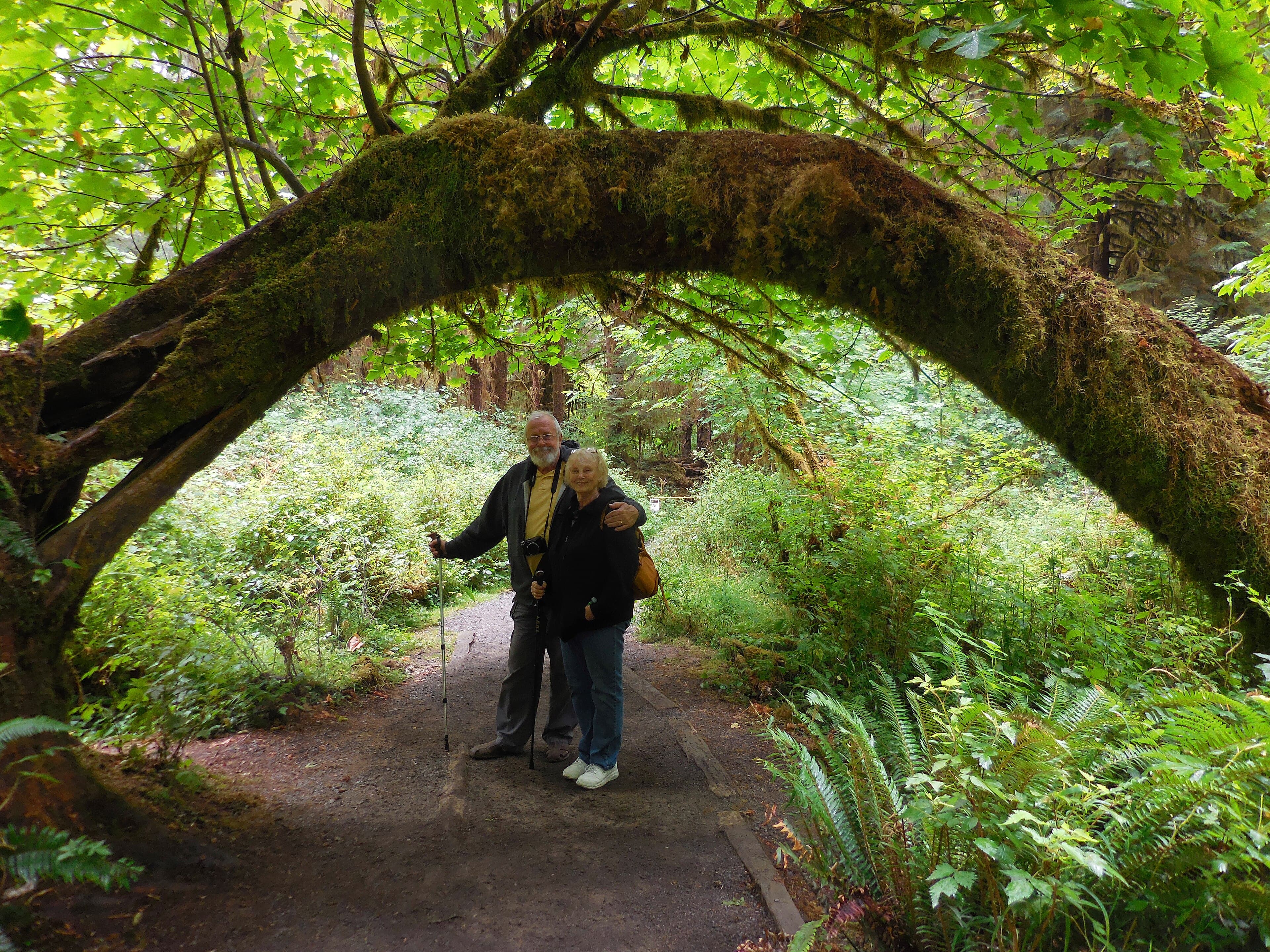
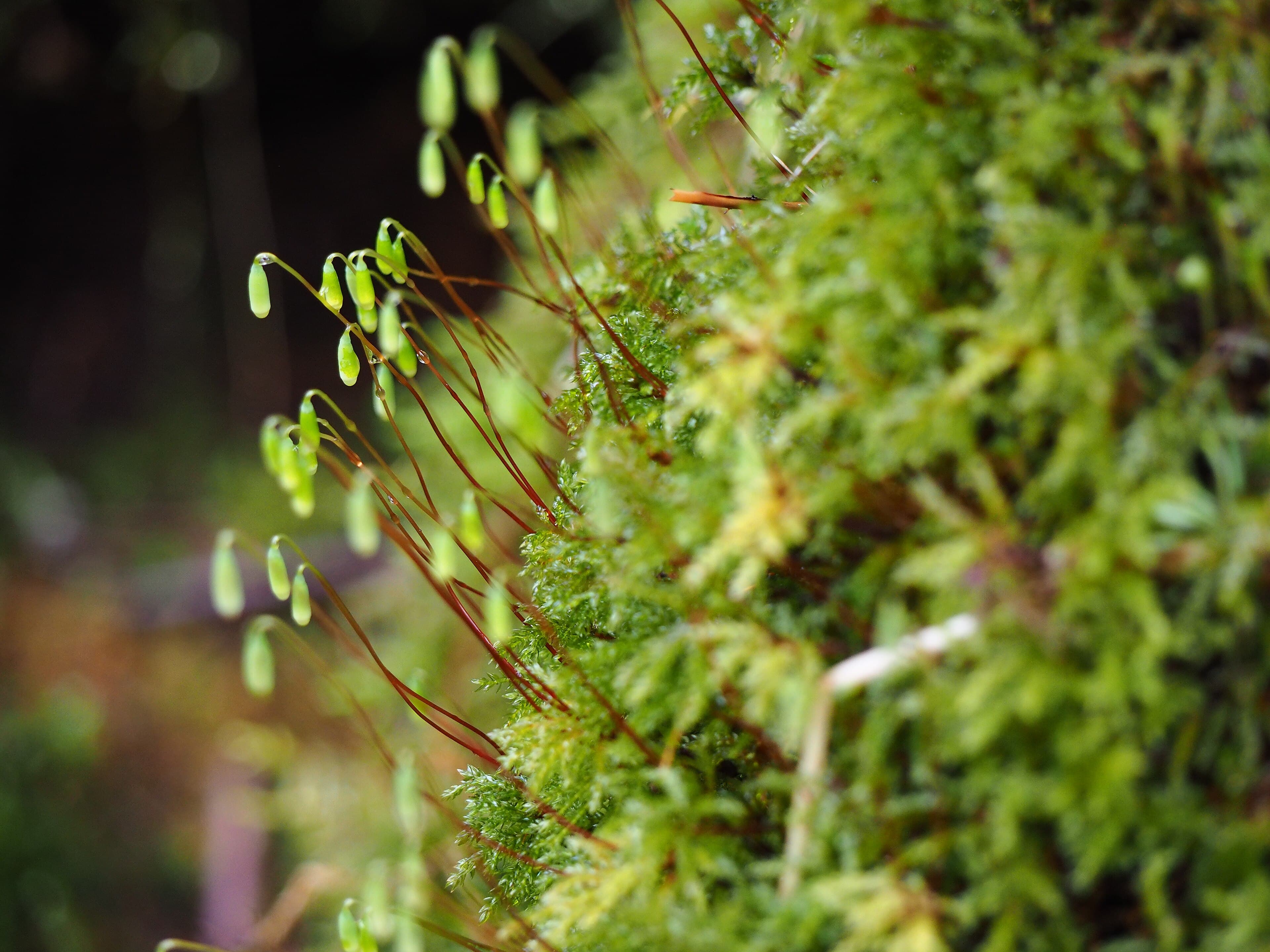
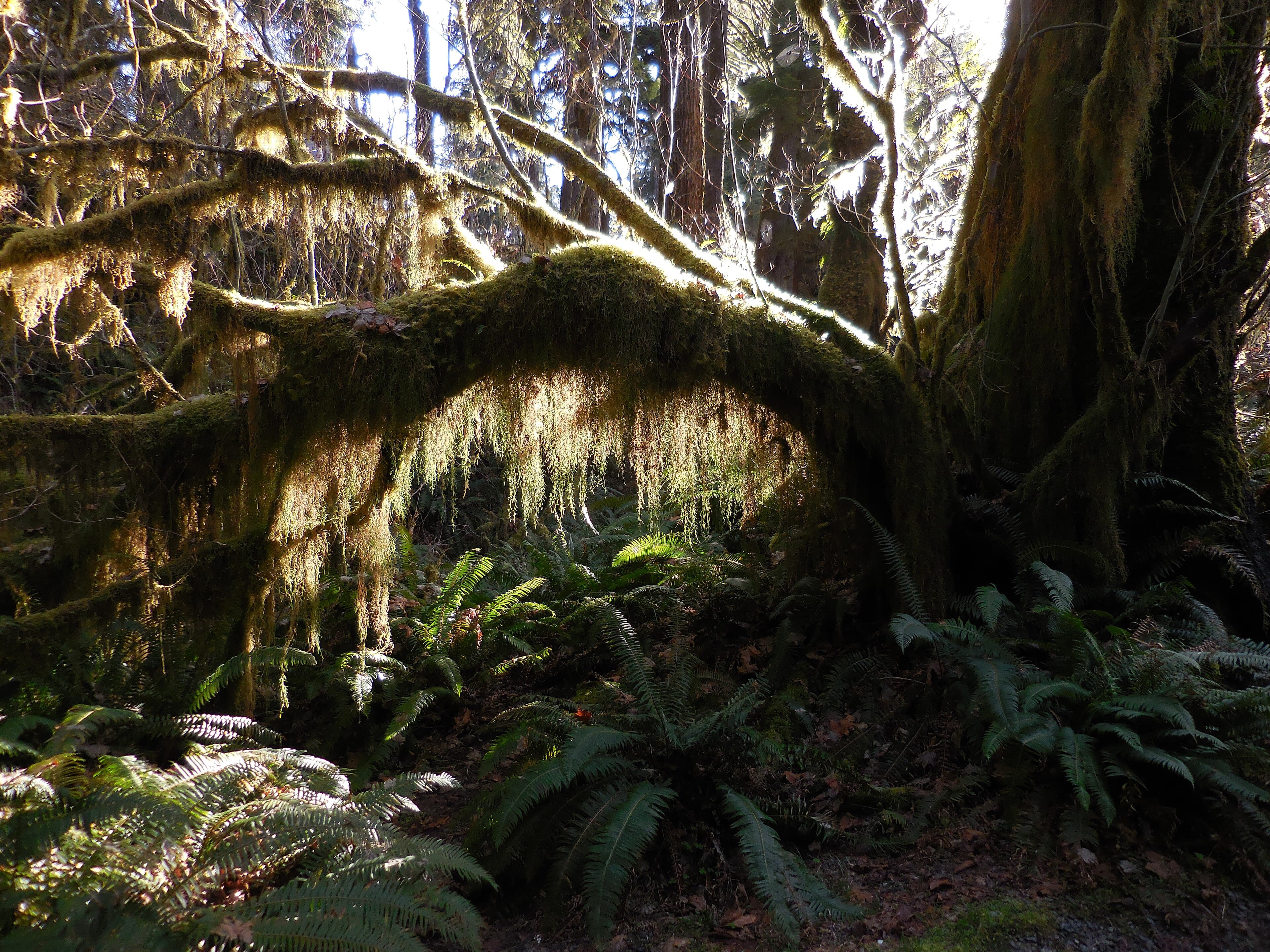
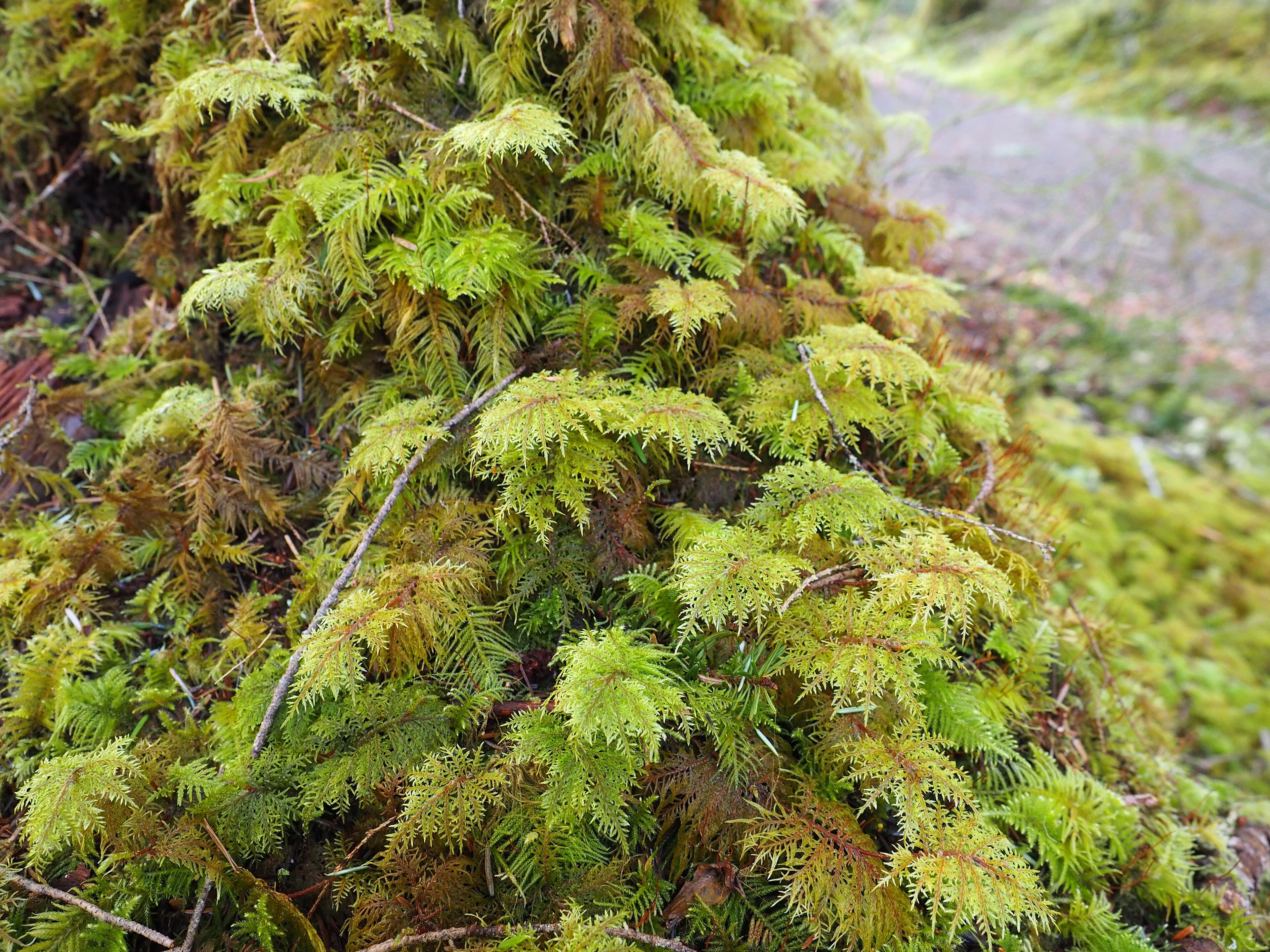
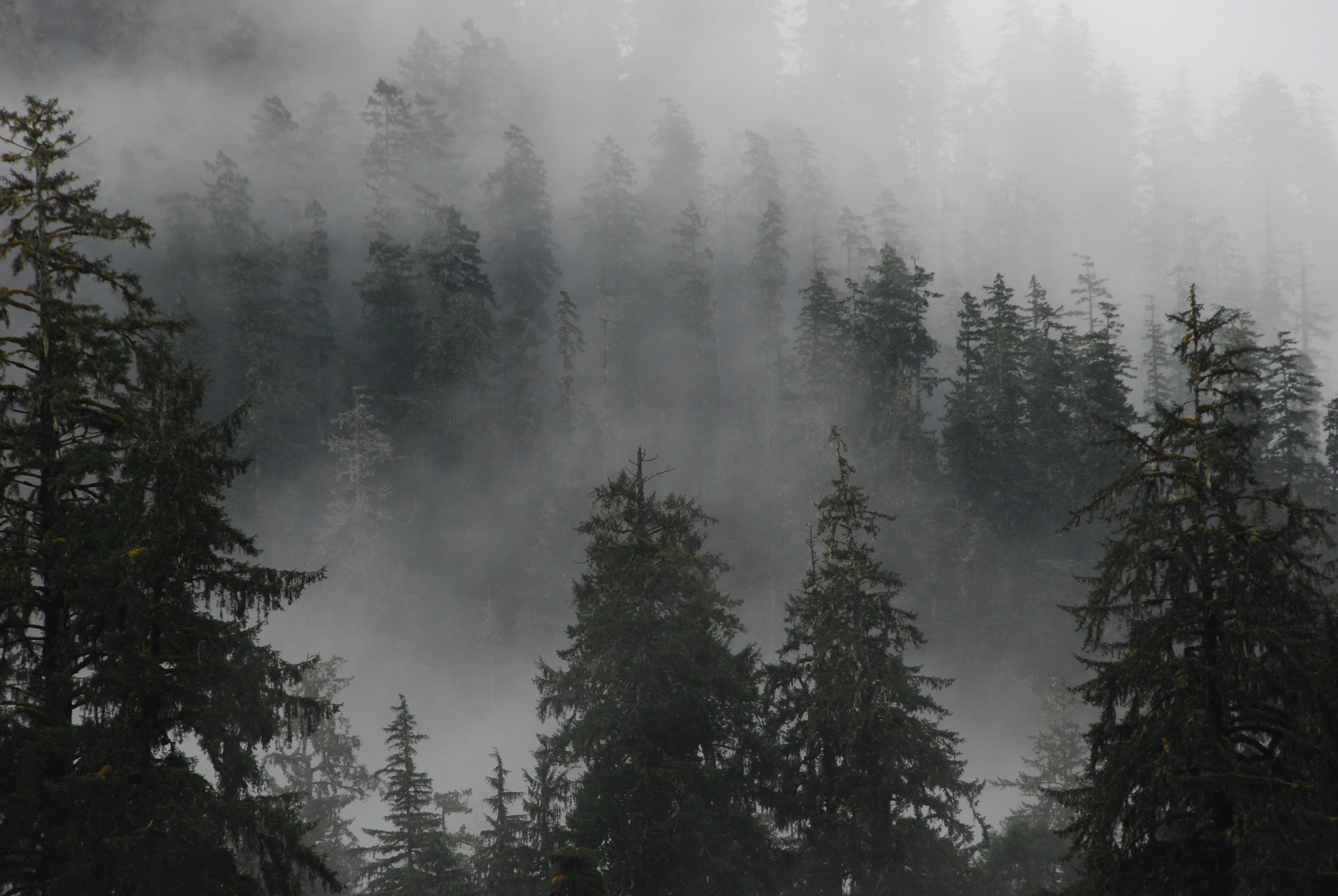
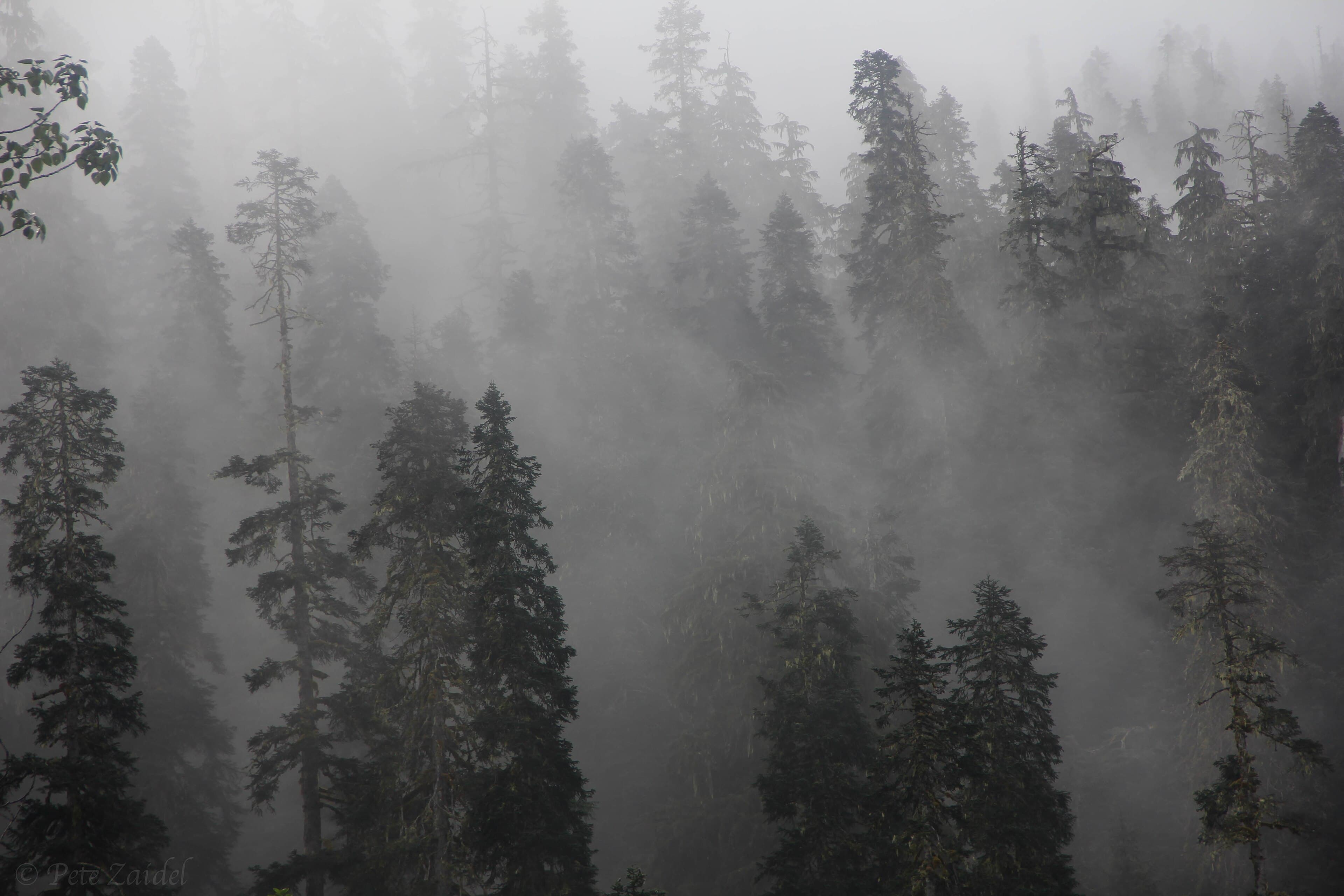
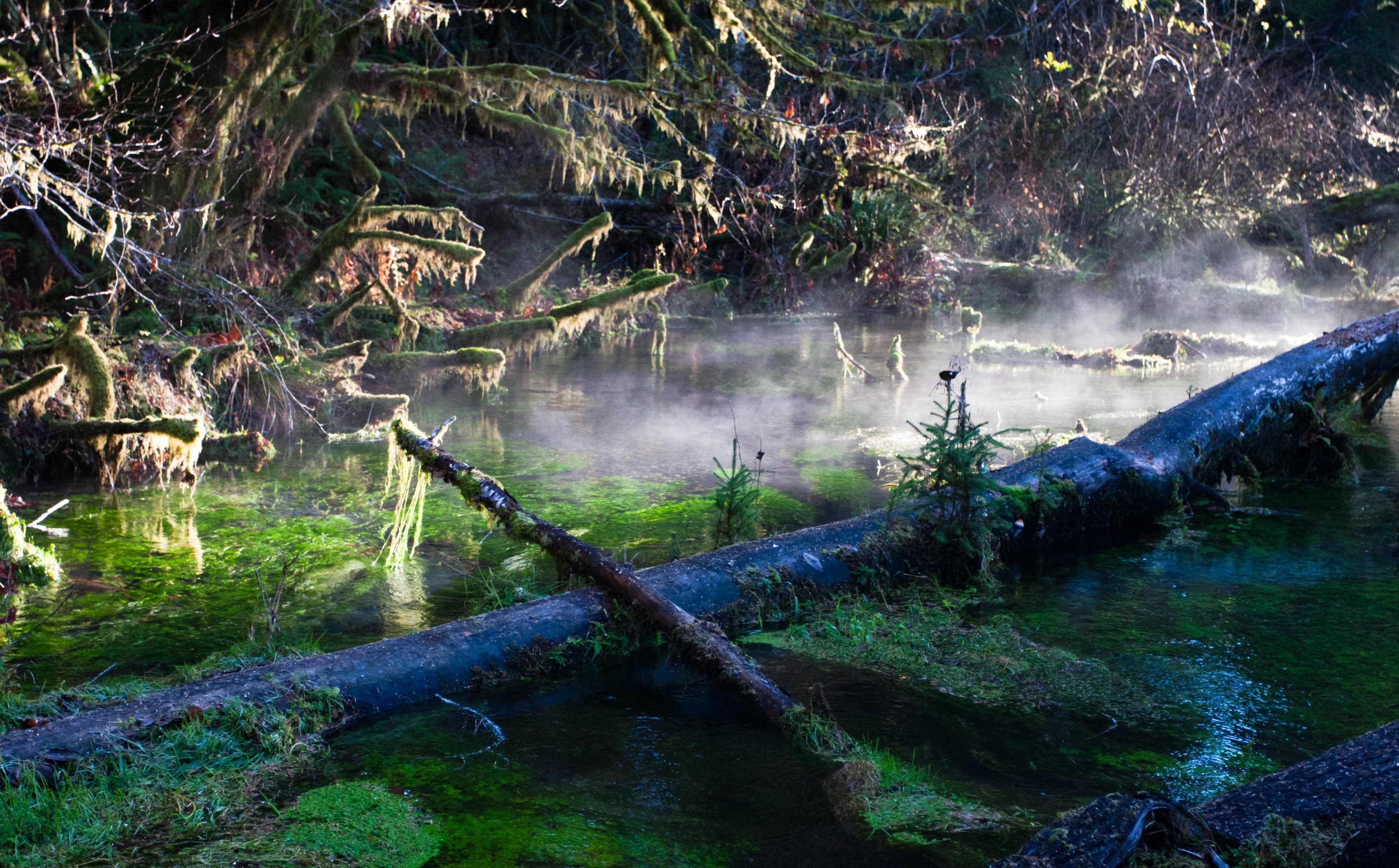
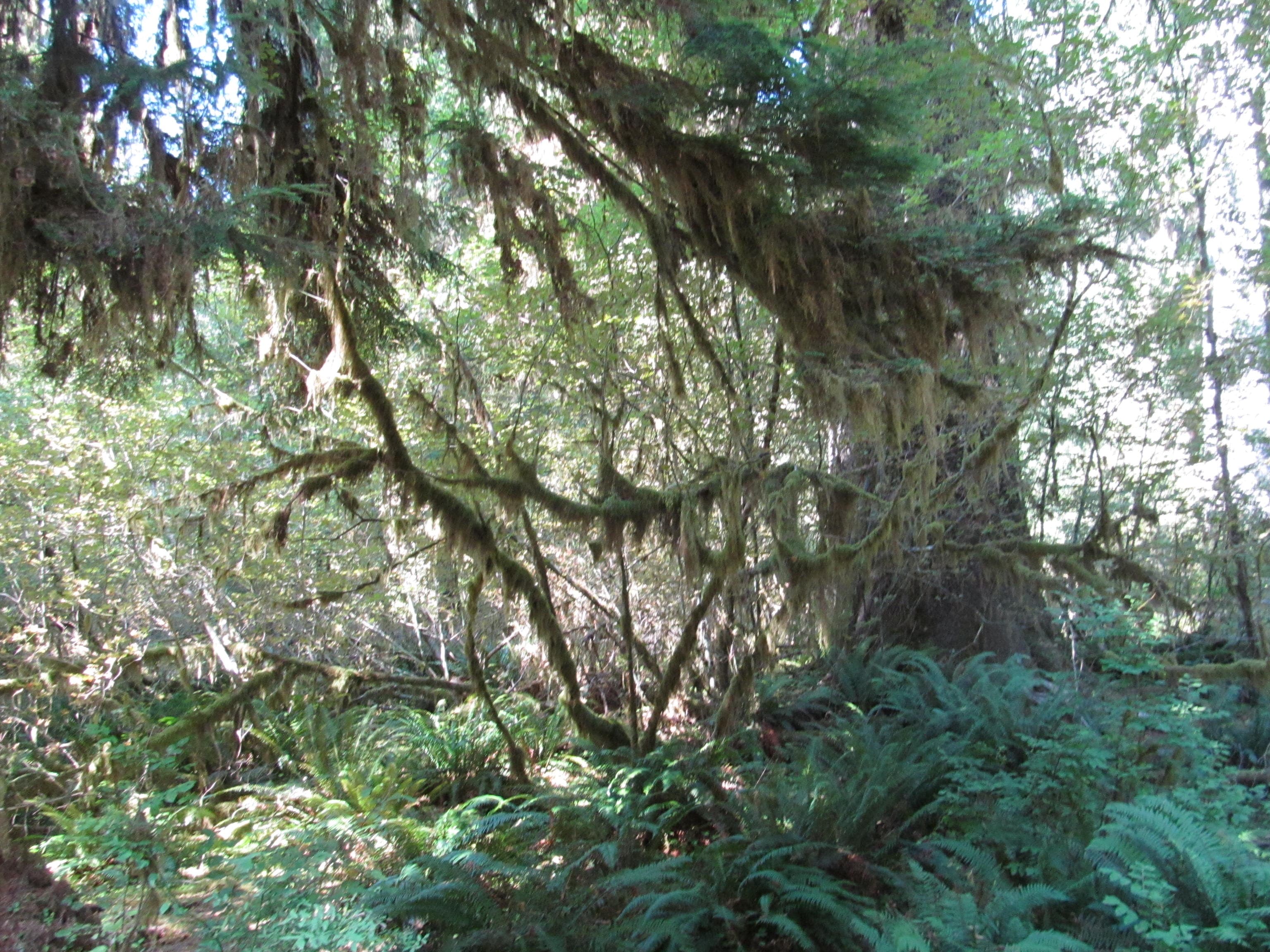
The signature of the Hoh is the moss. It is on everything: the trees, the ground, the rocks, the trailside, a continuous green layer that softens every edge and holds the moisture. The dominant tree is the Douglas-fir, and the old stands are tall, dark, and quiet, with a forest floor of fallen logs and a thick humus that never dries. The trees are firs and cedars and maples, and the canopy is so closed that the forest floor stays in permanent shade, which is what allows the moss and the fern to take over every surface. The effect is of a green cathedral that does not end.
The understory is dense with sword fern and salal, and the rotting logs are colonized by moss and fungi in a way that makes the floor look grown rather than scattered. The smell is of wet wood and cold air, and the light is a flat green even at midday, which is the visual signature of a true rainforest rather than a wet forest. The air is cooler than the highway, and it drops with the rain, so the visit has a particular dampness that does not come from a dry forest with occasional weather.
### The waterfalls and the river
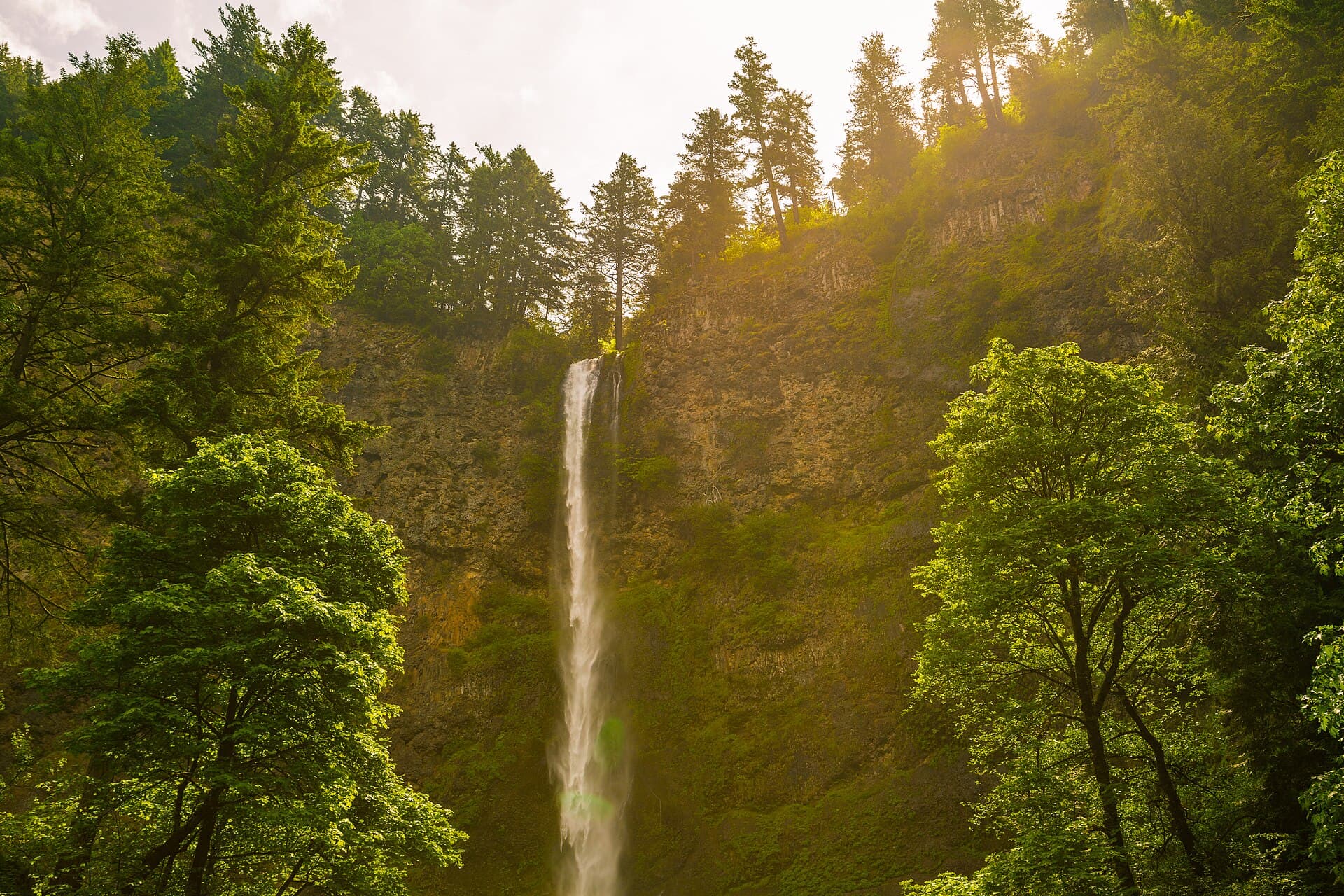
The Hoh River drops through the rainforest in a series of falls, and the most accessible is the one near the trailhead, a short and well-marked walk that puts you at the base of the cascade. The river is cold and clear and runs year-round, and the water is the sound that defines the place: a continuous, low roar that is louder the closer you get to the falls. The river supports salmon, and the run is part of the ecosystem that the rainforest depends on, so the water is not scenery but a working part of the system. The boardwalks and short trails keep the walk dry, and the falls are the thing to plan the visit around.
### The elk and the wildlife
The Hoh is one of the few places in Washington where elk stand in the open in the middle of the day, and the rainforest floor is where they feed. The elk are the large animal that makes the forest feel inhabited, and they are closest in the mornings and the evenings when the light is low. Beyond the elk the rainforest holds the usual Pacific-coast wildlife: black bears, deer, a wide range of birds, and the salmon in the river, and the riparian floor is the densest and the drier slopes the emptiest. The elk are the reason the forest feels like a place animals live in rather than a place people walk through.
### How to get there
The rainforest is reached from Port Angeles, the Olympic Peninsula's largest town, about a half-hour south by the highway through the park. The trailheads are on the roadside, and the most developed is the one with the short waterfall walk and the forest floor loop, which is where the boardwalks and the moss are best seen. There is no road into the deep forest, and the trails are short loops rather than long routes, so the visit is a few hours at most, and the rain is the thing to dress for. The nearest airport is Port Angeles, and the drive from Seattle is a full day that is worth making if the rainforest is the point.
### The boardwalks and the short trails
The Hoh is built around short, well-maintained trails and a series of boardwalks that keep the walk dry through the wettest weather. The forest-floor loop is the core of the visit: a short, level circuit that puts you inside the moss, with the rotting logs and the sword fern at knee height and the canopy closed overhead in permanent shade. The waterfall walk is the other essential, a short, marked path that ends at the base of the falls, and the two trails together are the whole of the developed rainforest, so the visit is a matter of hours, not a day. The boardwalks are the reason the forest stays a walkable one in the rain, and the short loops are the reason the visit does not require a commitment to experience.
The trails are short by design, and the forest does not ask you to push deep. The old-growth is at its densest and its greenest in the spots the boardwalks pass through, and the moss is thickest on the logs and the rocks right at the trail edge, which is where the visit is at its best. The damp is constant and the light is flat and green, and the short loops are exactly the right length to take that in without it turning into a chore. The boardwalks are the signature of the place as much as the moss is, because they are what let a wet forest stay a walkable one, and the short circuits are the reason the visit is easy enough to do on a single damp afternoon.
### Best time to go
The rainforest is at its wettest in the winter and at its driest in the late summer, and the moss is at its greenest after the wet months. The elk are easiest to see in the cool months, and the salmon run in the fall, so the late season is when the forest and the river are both at their active. Summer is the dry window and the trailhead is busiest, but the forest floor dries out and the moss thins, which is the trade. The rain is a constant, so the visit is as much about the damp as the view, and the light is flat and green through most of the year.
### Practical details
The trailheads are free to enter as part of Olympic National Park, though the park entrance fee applies to the main roads, and the short forest-floor loop and the waterfall walk are the core of the visit. Dress for wet and cold, carry a layer, and the boardwalks keep the walk dry in the wettest weather. The elk are the reason to be there in the cool light, and the falls are the reason to be there in the water. The visit is short, the drive in is short, and the rain is the point.
Writes the wet, quiet edges of the country.
Research Note: confirm hours and access with the operator before a long drive.
Highlights
The moss-covered floor
A continuous layer of moss on every surface, the signature of the wettest corner of the state.
The waterfalls
The Hoh River drops through the rainforest in a series of falls, the most accessible a short walk from the trailhead.
The elk
One of the few places in Washington where elk stand in the open in the middle of the day.
The old-growth stands
Tall, dark firs and cedars in permanent shade, the largest temperate rainforest in the U.S.