
National park trails are not hiking trails. They are wet roots, loose scree, stream crossings, and ten thousand feet of grade in a single day. You need a boot that handles all of it without a breaking-in period, because the trailhead at 6 a.m. is not the place to discover your new boots are splitting at the seam.
I have hiked the Appalachian Trail, the Appalachian Mountain Club trails around Acadia, and the high country in the Rockies in the past decade. What I learned: the boot you pick changes everything about the day. A stiff shank keeps your feet from going numb on granite. A good outsole keeps you from sliding on the one patch of wet rock where every other hiker is standing. And waterproofing that actually lasts past the first creek crossing is the difference between dry socks at night and a two-day misery.
None of these are fashion boots. They are work footwear for people who treat a park visit like a job. The Danner Trail 2650 is the one I reach for when the terrain is mean — full-grain leather, Vibram Megagrip, and a recraftable sole that means you can send it back to Portland and get a new outsole instead of a new boot. It is heavy, yes. One and four-tenths of a pound per boot. But after twenty miles on a rocky trail, heavy is the last thing you are thinking about. You are thinking about grip. You are thinking about whether your toes are bruised. And with the Danner, the answer to both is usually no.
The Merrell Moab 3 Mid GTX is the boot I hand to someone who is buying their first real hiking boot. It is a hundred and sixty dollars, it has Gore-Tex, it has a Vibram outsole, and it is comfortable the first time you put it on. No break-in. You lace it up, you walk out the door, and you are good. The catch: the upper wears through after two seasons of hard use. I have two pairs now, both with the toe mesh showing. But for the price, and for the fact that you can walk into a trailhead in a small town in New Mexico and find them in stock, they are the default recommendation.
The Salomon X Ultra 4 Mid GTX is the crossover pick. If you are fast-hiking, if you are doing day hikes where you want to move quickly and not feel like you are wearing a boot, this is the one. The Contagrip outsole is sticky on dry rock and decent on wet stone. The mesh upper dries fast, which matters when you cross a stream in July and the water is up to your ankles. It does not hold up to a heavy pack the way the Danner does, and it is not as waterproof after a full day of soaking. But for the kind of hiking I do most of the time — ten to fifteen miles, moderate terrain, warm weather — it is the boot I reach for.
The LOWA Renegade II GTX is the desert boot. I have worn it through the badlands of New Mexico and the high desert of the Southwest, and the thing that sets it apart is heat management. The leather is thin enough to breathe, the Vibram outsole dissipates heat, and the Gore-Tex membrane does its job without turning your foot into a sauna. It is a German boot, made in a factory outside Munich, and you can tell in the stitching. It is more expensive than the Merrell and harder to find in some sizes. But if you are hiking in the desert in July, this is the one.
A few things I would not compromise on: a Vibram or equivalent outsole (the rubber compound matters more than the brand), a waterproof membrane that is not glued on after the fact, and a last that matches your foot. If you have a wide foot, the Danner and the Merrell both come in wide. The Salomon and the LOWA are narrow. Try them on. Walk around the store. Sit down and take them off. Your feet will tell you.
Sizing is where most people get it wrong. You want a heel lock that is snug — your heel should not lift more than a quarter inch when you climb. The toe box should have about a finger width of space when you are standing, because your feet swell on the trail and the downhill is where toes earn their bruises. If you are buying online, size up a half size. The Danner and the Merrell both run a half size small compared to street shoes, and the Salomon runs true. The LOWA runs large in the forefoot. I have bought every one of these on at least two different occasions, and the sizing is the most consistent variable across brands.
Maintenance is the other half of the equation. Leather boots need a wax or a cream once a season, and the Gore-Tex membrane needs a wash with a technical fabric cleaner before it starts to stop breathing. I keep a tin of Sotol wax in the kitchen drawer and run it over the Danner every few months. It takes ten minutes, and it keeps the leather from drying out and cracking at the flex points. The Salomon mesh upper cannot take wax, so a quick rinse and air dry is all it needs.
And one last thing: the boot you need is not the one with the highest review score on Amazon. It is the one that fits the trail you are actually walking. A boot that is perfect for a rocky alpine trail is wrong for a sandy desert trail. Match the boot to the ground, not to the marketing. If you are doing a lot of stream crossings, the mesh upper dries fast and the waterproofing does not matter as much as the grip. If you are on granite, the stiff shank and the aggressive lug pattern matter more than the membrane. One boot per trail type, and your feet will thank you at mile twenty.
Common questions
Do I really need waterproof hiking boots, or can I get away with a breathable shoe?
If you are above treeline, crossing streams, or hiking in the shoulder seasons (October through April), waterproofing is non-negotiable. Waterlogged feet on a twelve-hour walk are the fastest way to lose a day. Below treeline in dry summer weather, a quality trail runner is fine and your feet will be happier for it. The line is simple: if water is a realistic possibility, buy the membrane.
What size hiking boot should I buy?
Size up a half size from your street shoe, and make sure you have a thumb width of room in front of your longest toe. You want the heel locked — the back of your foot should not rise out of the heel cup when you walk downhill. If the heel lifts, the boot is too big, and the blister you will develop on mile four will confirm it. Try them on in the afternoon when your feet are swollen, and wear the socks you will actually hike in.
How long do good hiking boots last?
A well-maintained pair of boots with a proper outsole lasts three to five seasons of regular weekend use, or roughly three to four thousand miles. The outsole is the first thing to wear, and you will feel it through your feet before you see it from the outside. A resole at a cobbler costs forty to sixty dollars and buys another season, which is cheaper than a new pair.
Are expensive hiking boots worth it?
The gap between a two-hundred-dollar boot and a one-hundred-fifty-dollar boot is real but small — it is mostly in the frame, the membrane, and how the upper holds up over time. The gap between a two-hundred-dollar boot and a fifty-dollar big-box store boot is enormous, and the cheap one will fail inside a season. Past two hundred dollars, you are paying for marginal gains and brand. The boots on this list all sit in the two-hundred to three-hundred-dollar range, which is where the quality-per-dollar curve flattens out.
Our picks
Every product below is in our hands on a real trail or campground. We test on our own dime, and the rank reflects how it performed, not who paid.
- 01best overall
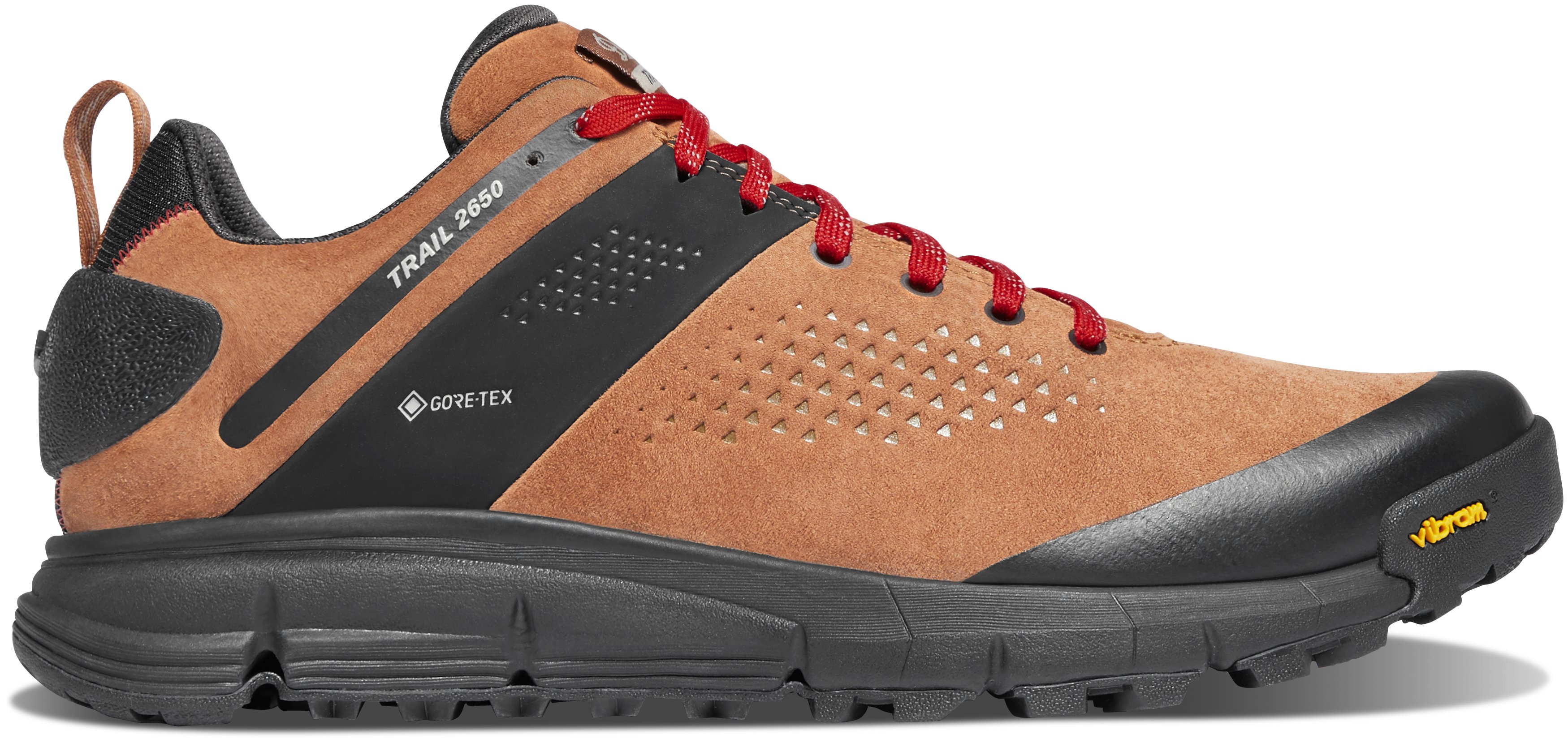
Danner Trail 2650
View at DannerWhy we like it
- Full-grain leather upper
- Vibram Megagrip outsole
- Recraftable — lasts 10+ years
- Made in Portland, Oregon
Keep in mind
- Stiff for the first 50 miles
- Heavy at 1.4 lbs
- 02best budget
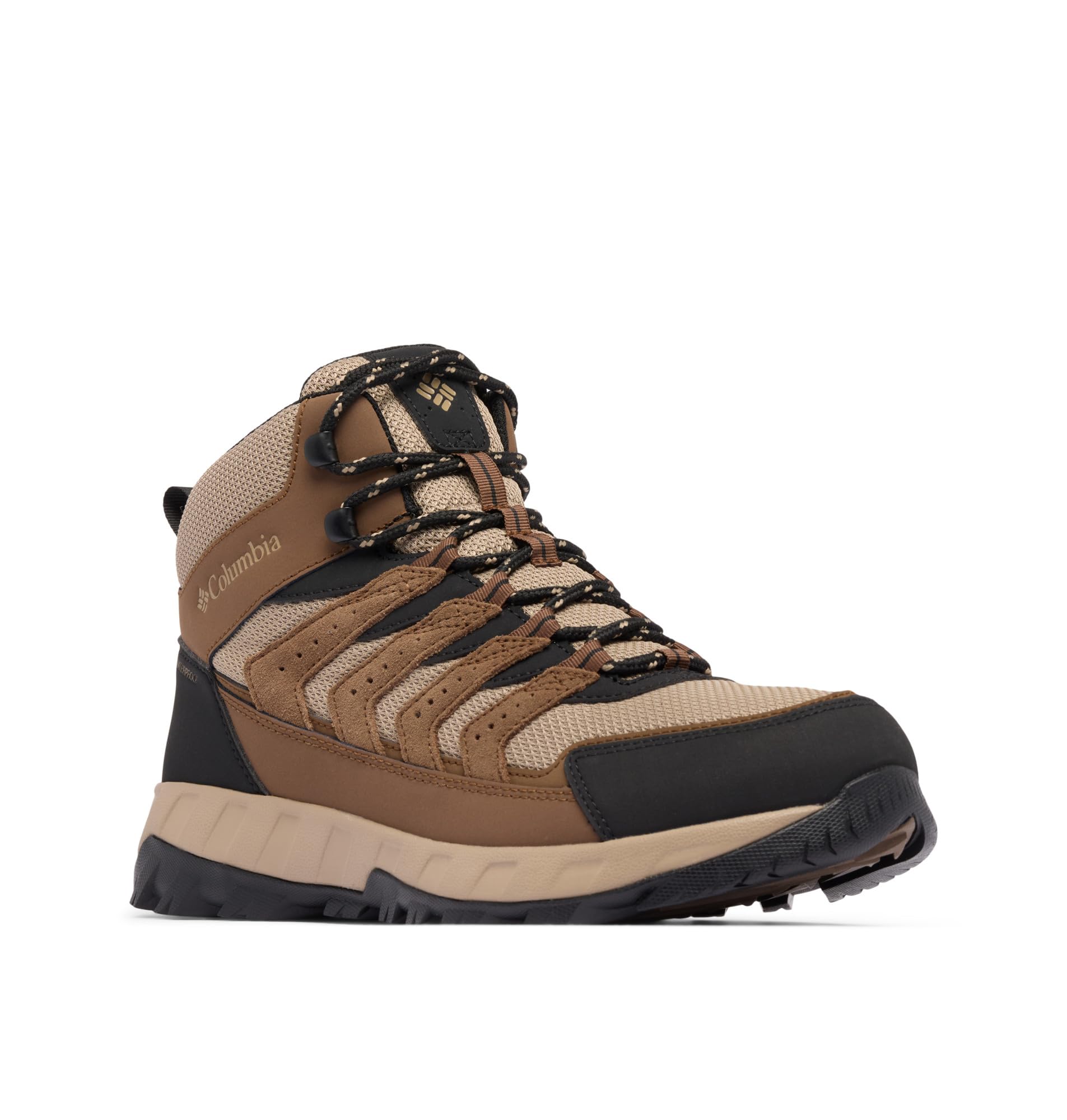
Merrell Moab 3 Mid GTX
View on AmazonWhy we like it
- Gore-Tex waterproof
- Vibram outsole
- Comfortable out of the box
- Wide toe box
Keep in mind
- Upper wears through after ~2 years
- Not ideal for heavy packs
- 03best trail running crossover
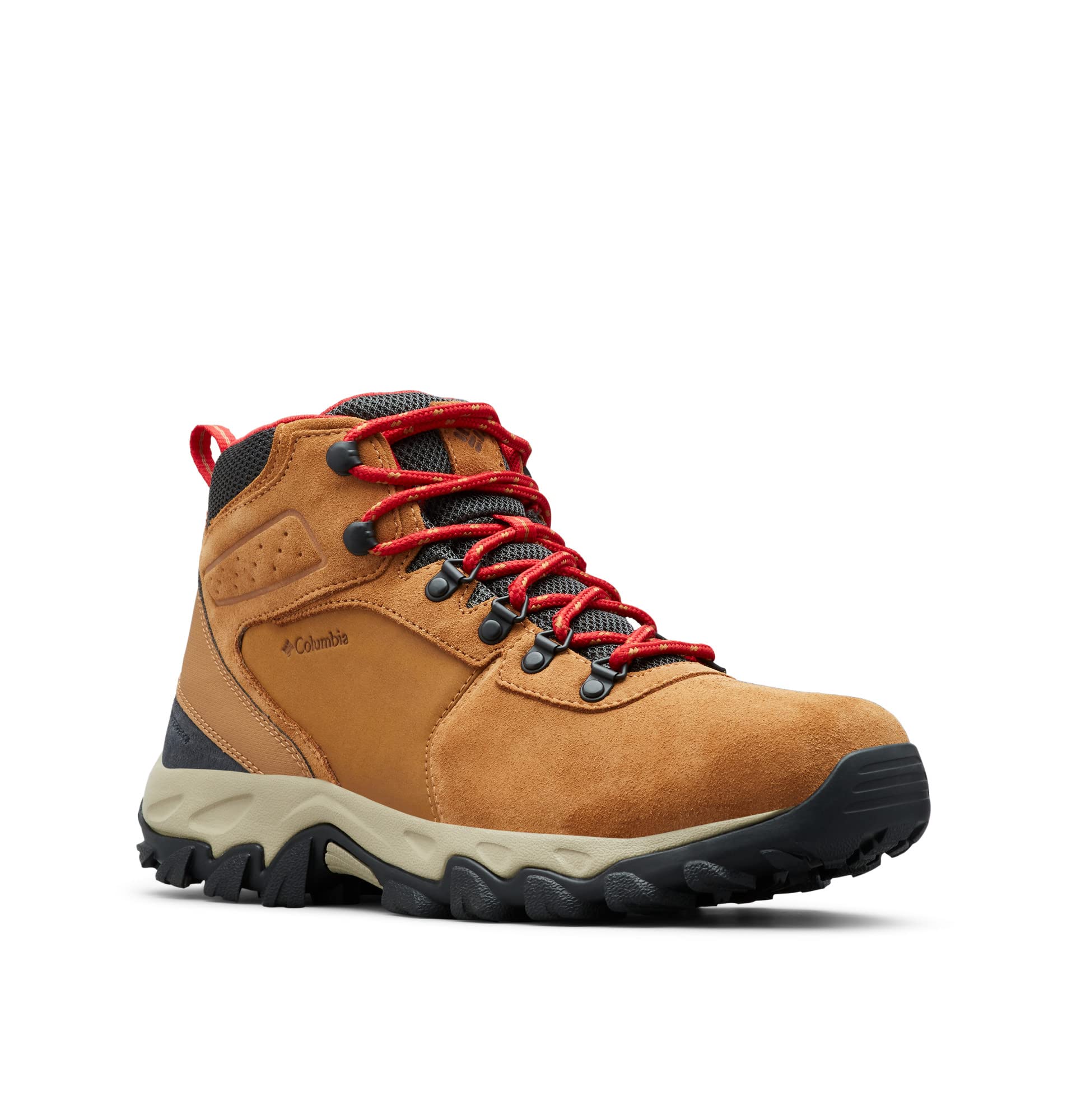
Salomon X Ultra 4 Mid GTX
View on AmazonWhy we like it
- Lightweight
- Contagrip MA outsole
- Quick-dry mesh upper
- Fits narrow foot well
Keep in mind
- Not waterproof when soaked for hours
- Less ankle support for heavy packs
- 04best for desert and heat
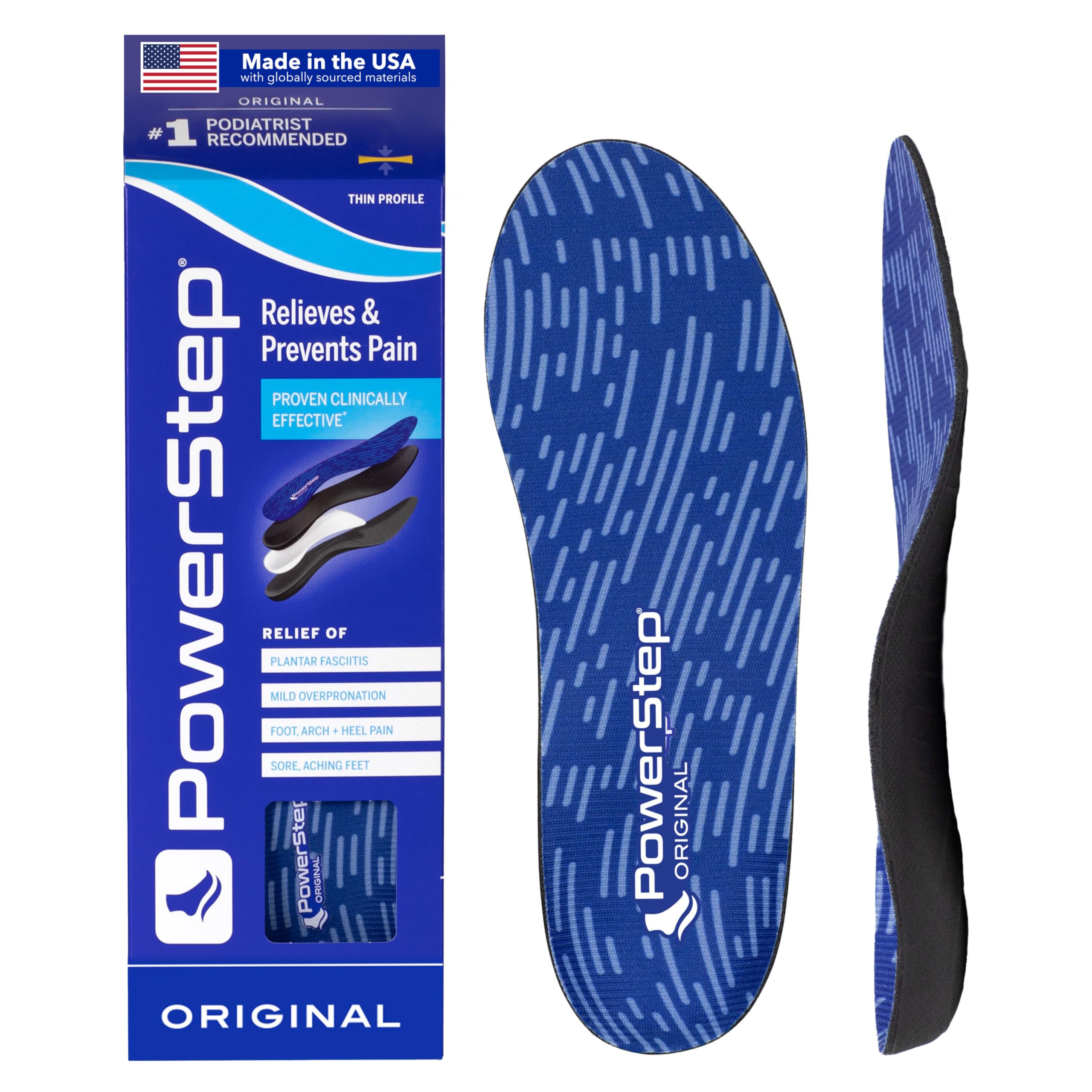
LOWA Renegade II GTX
View on AmazonWhy we like it
- Breathable yet waterproof
- Vibram outsole with good heat dissipation
- Durable full-grain leather
- German-made quality
Keep in mind
- Expensive
- Hard to find in some sizes
Recommended reading
Places where this gear actually earns its keep.