



Dex Calloway — Roadside oddities, drive culture, and the places that reward the detour.
research note: produced from published sources; no personal visit claimed. Confirm time-sensitive details with the operator.
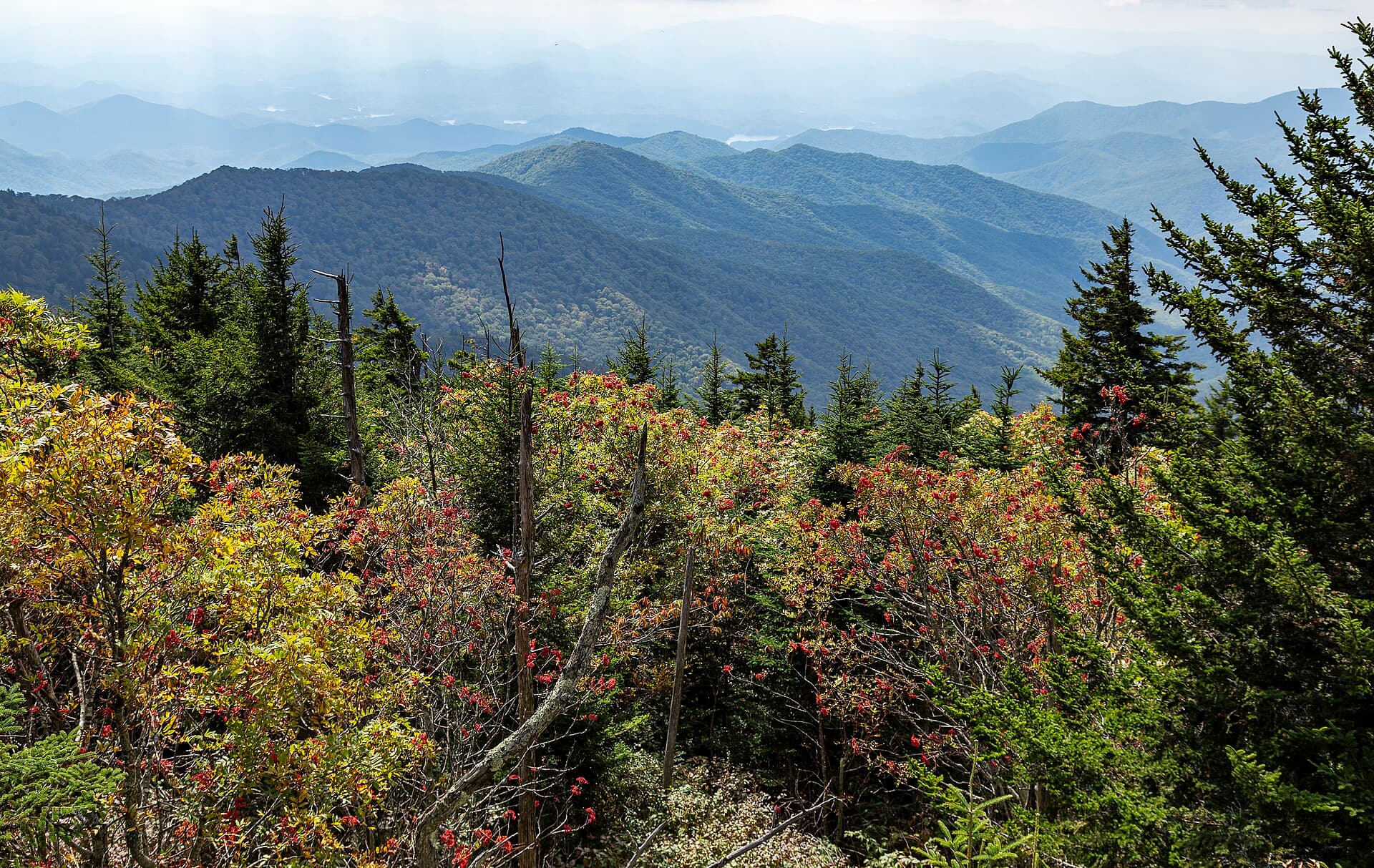
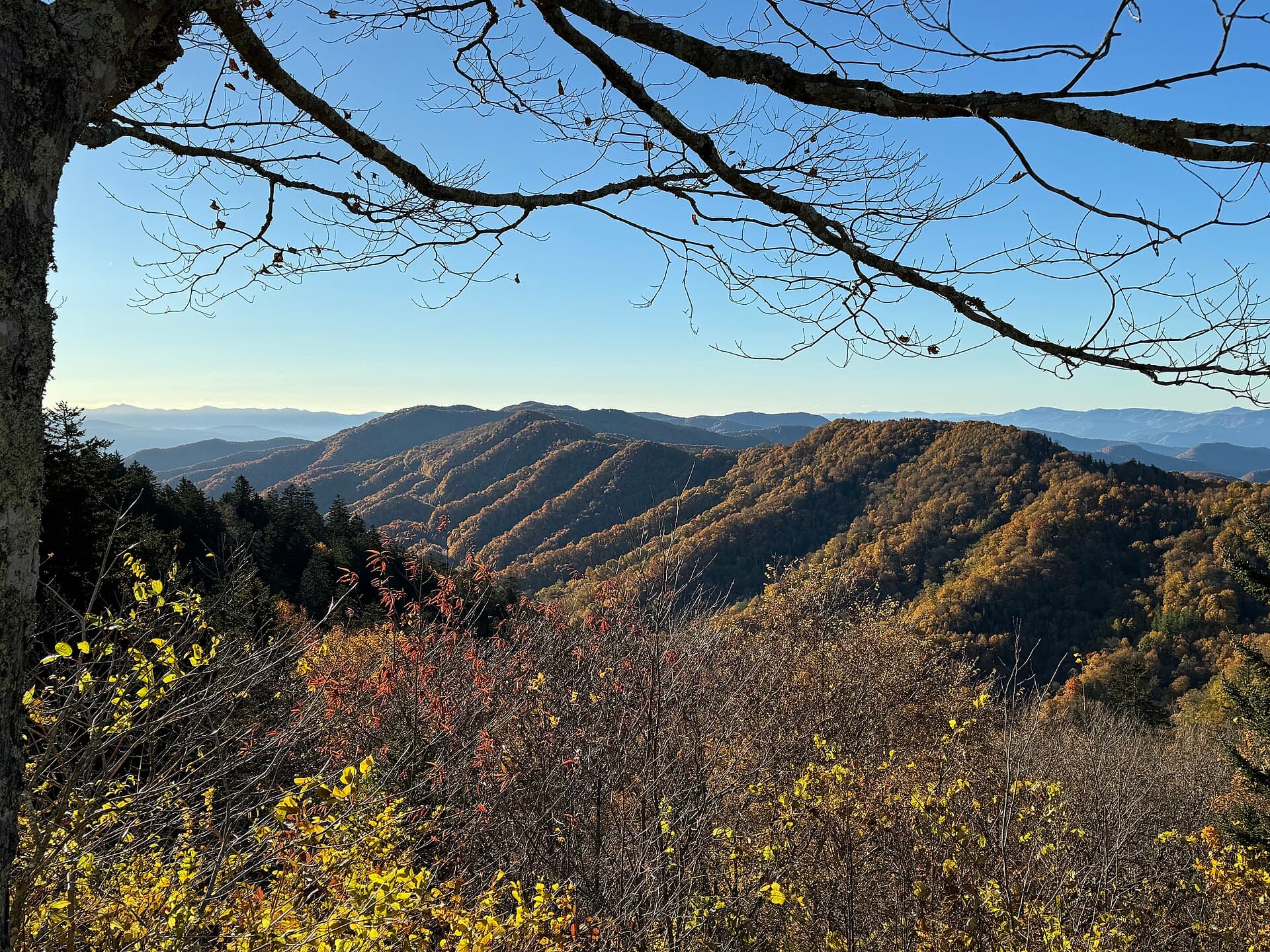
Great Smoky Mountains National Park straddles the Tennessee-North Carolina border and covers about 522,000 acres. It is the most-visited national park in the United States by annual headcount, a position it has held for several years. The name "smoky" refers to the blue haze that hangs over the forest canopy, produced by volatile organic compounds released by the trees. The haze is thickest in summer humidity and thins in dry weather.
The park contains a continuous stretch of old-growth and mature forest across both states. The largest tract of old-growth forest in the eastern United States lies within the boundary. The Cades Cove loop road is a 11-mile paved circle through a broad valley that supports one of the park's highest concentrations of mammals. The Chilhowee Mountain trail system and the Appalachian Trail corridor run through the higher elevations.
The park has no entrance fee. The two main visitor centers, in Gatlinces, Tennessee and Sugarlands, North Carolina, operate daily. Road congestion on the Park Road between the two states is the main practical issue in summer.
highlights
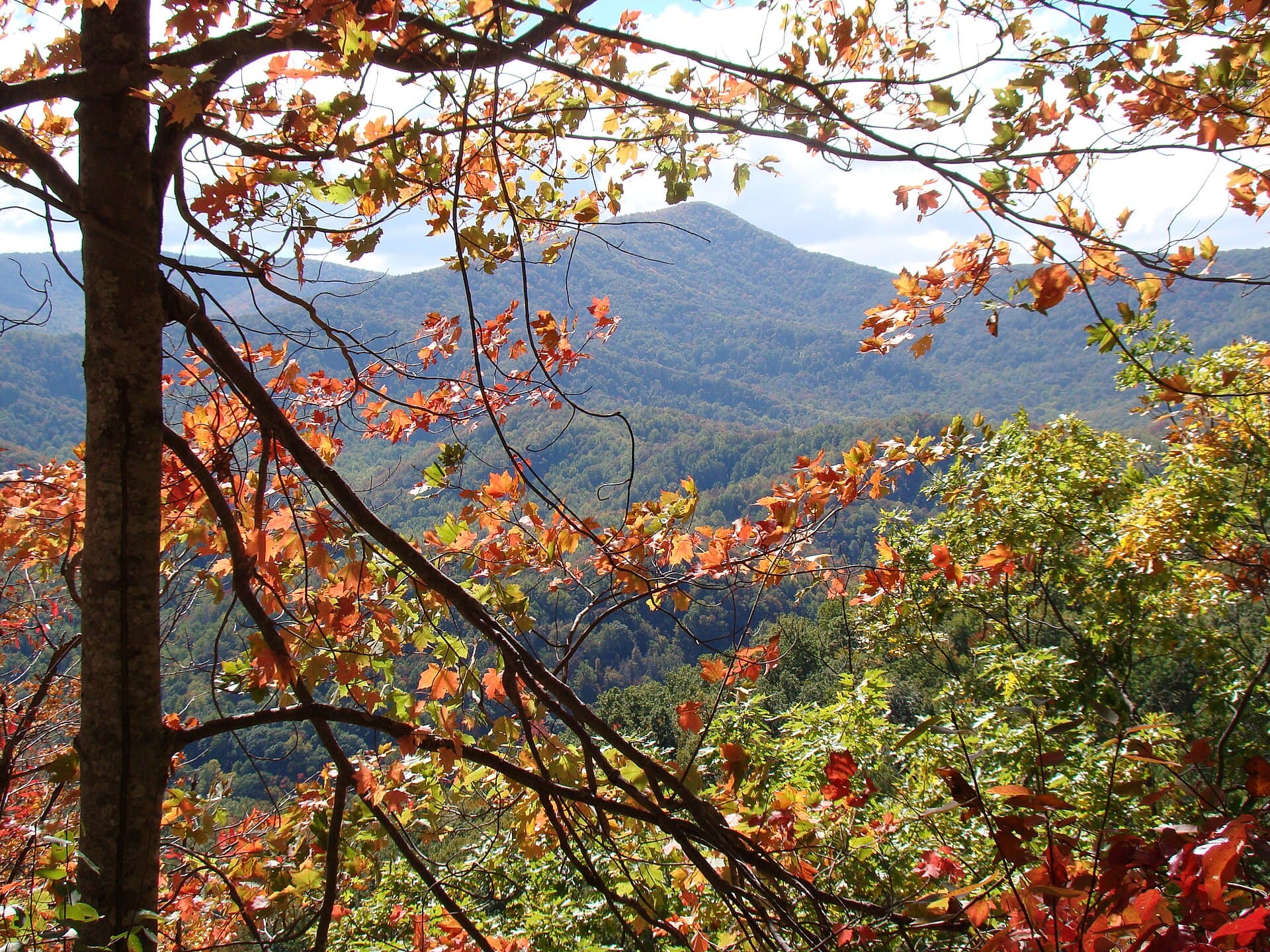
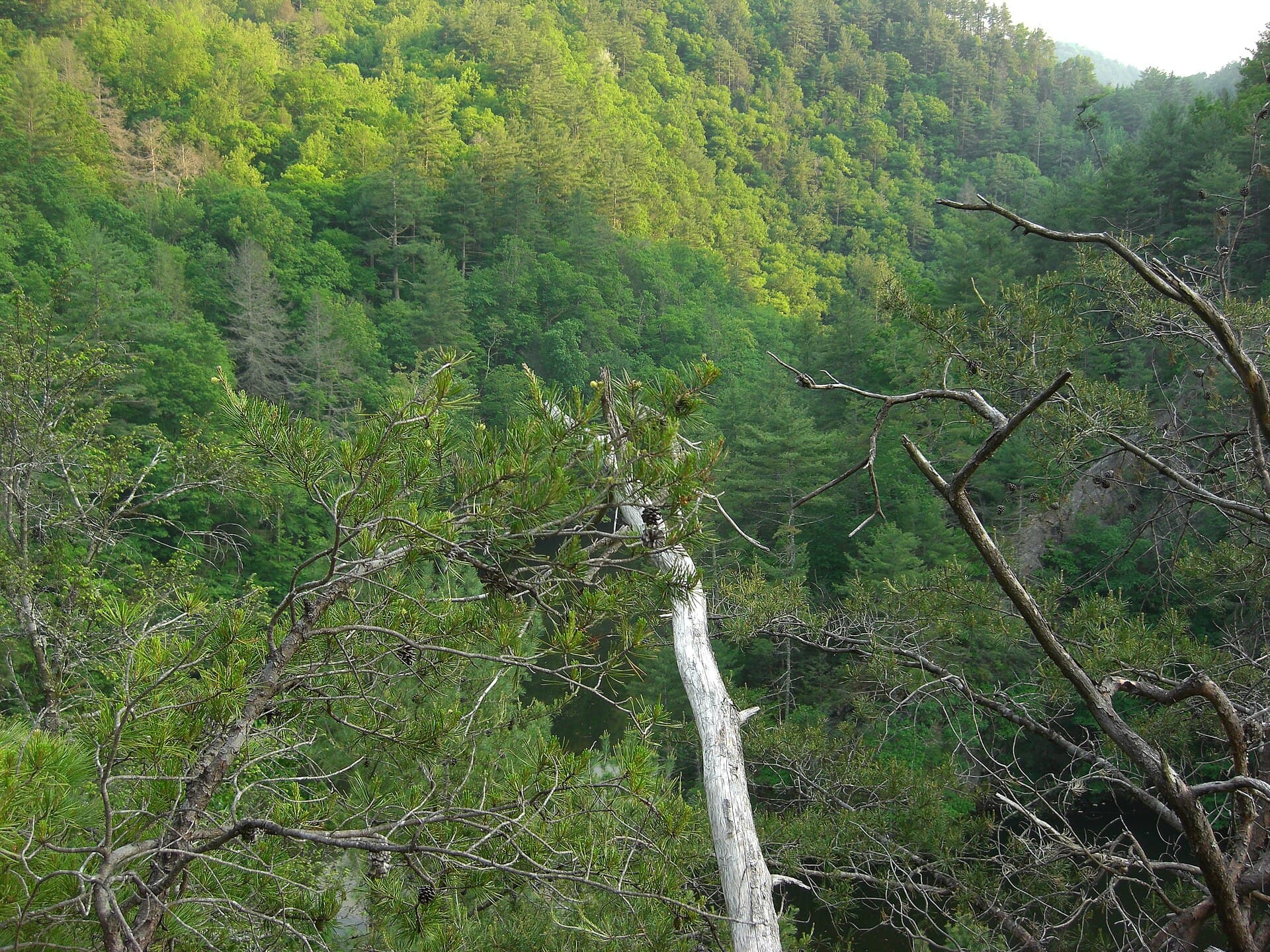
ancient forests
over 520,000 acres of old-growth forest protecting diverse ecosystems.
black bears
free-roaming black bears are common throughout the park.
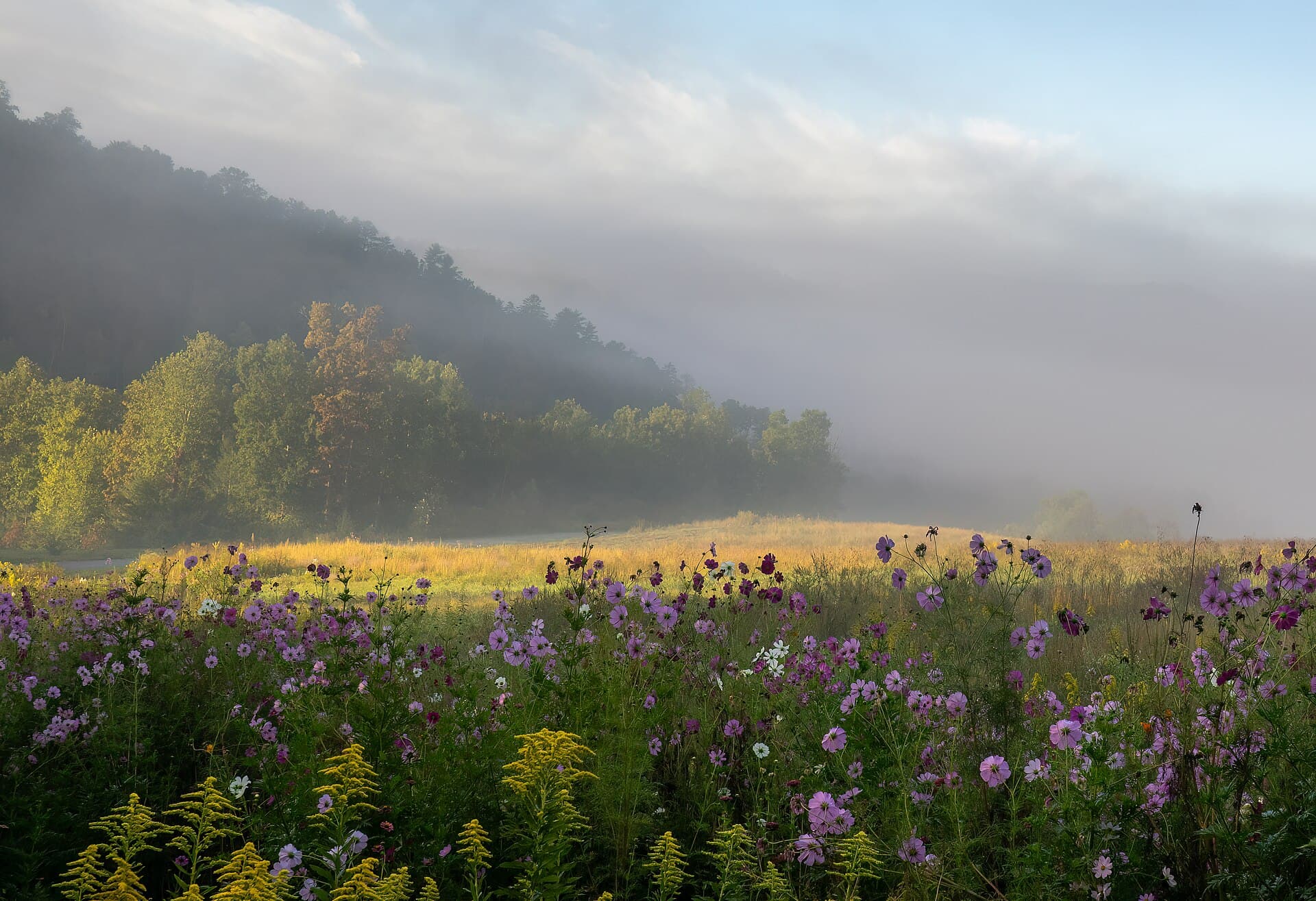
wildflower meadows
over 50 species of wildflowers bloom along mountain roads and trails.
smoky peaks
characteristic blue mist created by vegetation compounds gives mountains their name.