

## The deepest river gorge on the West Coast
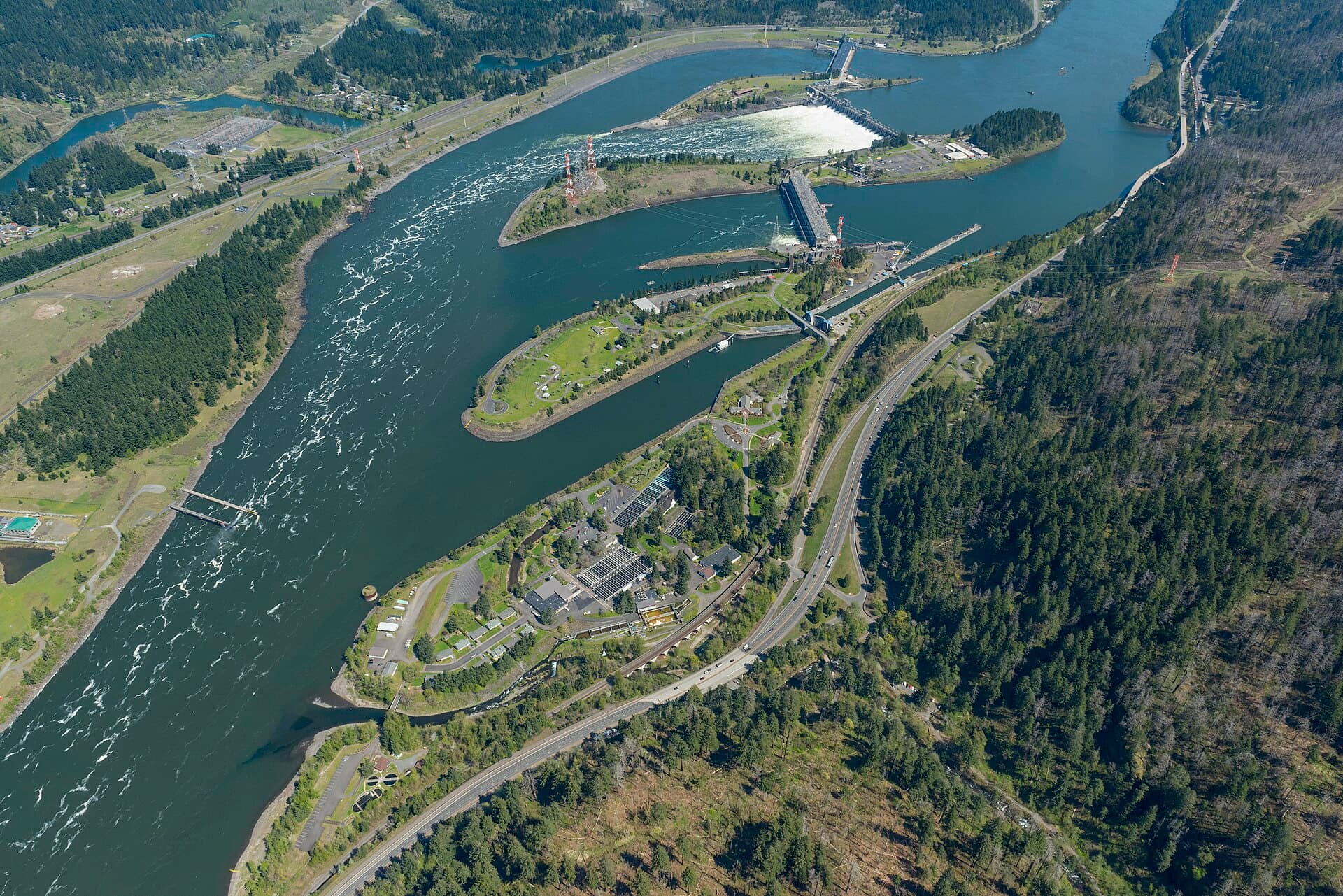
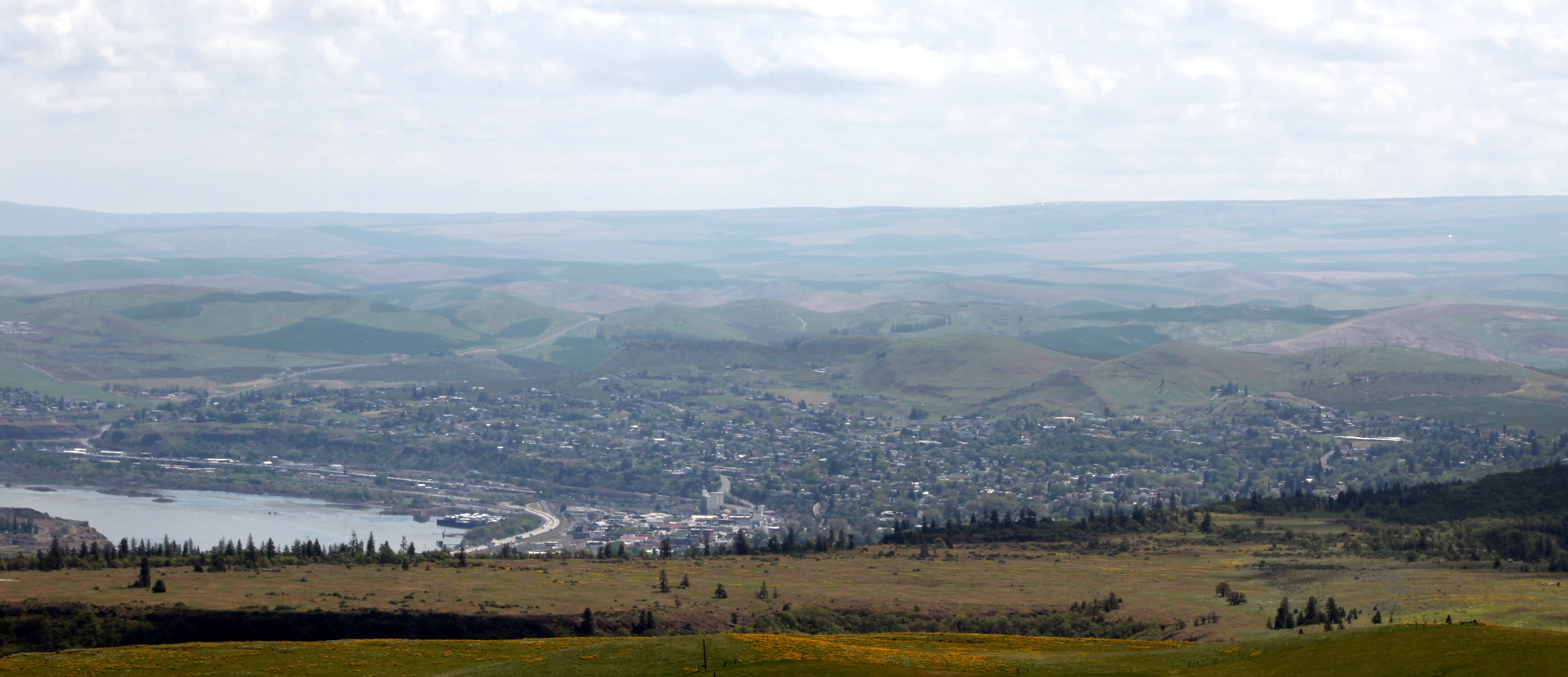
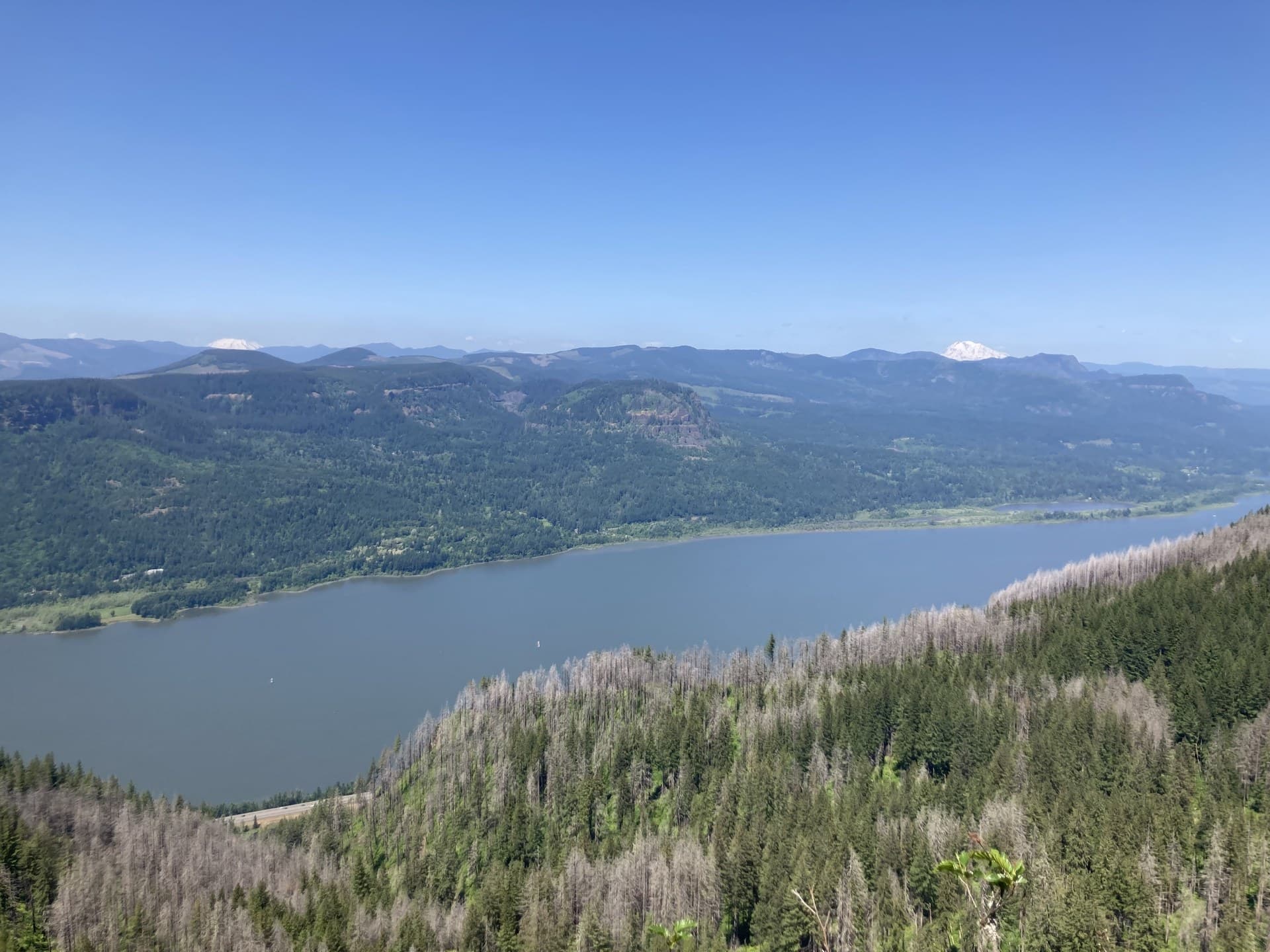
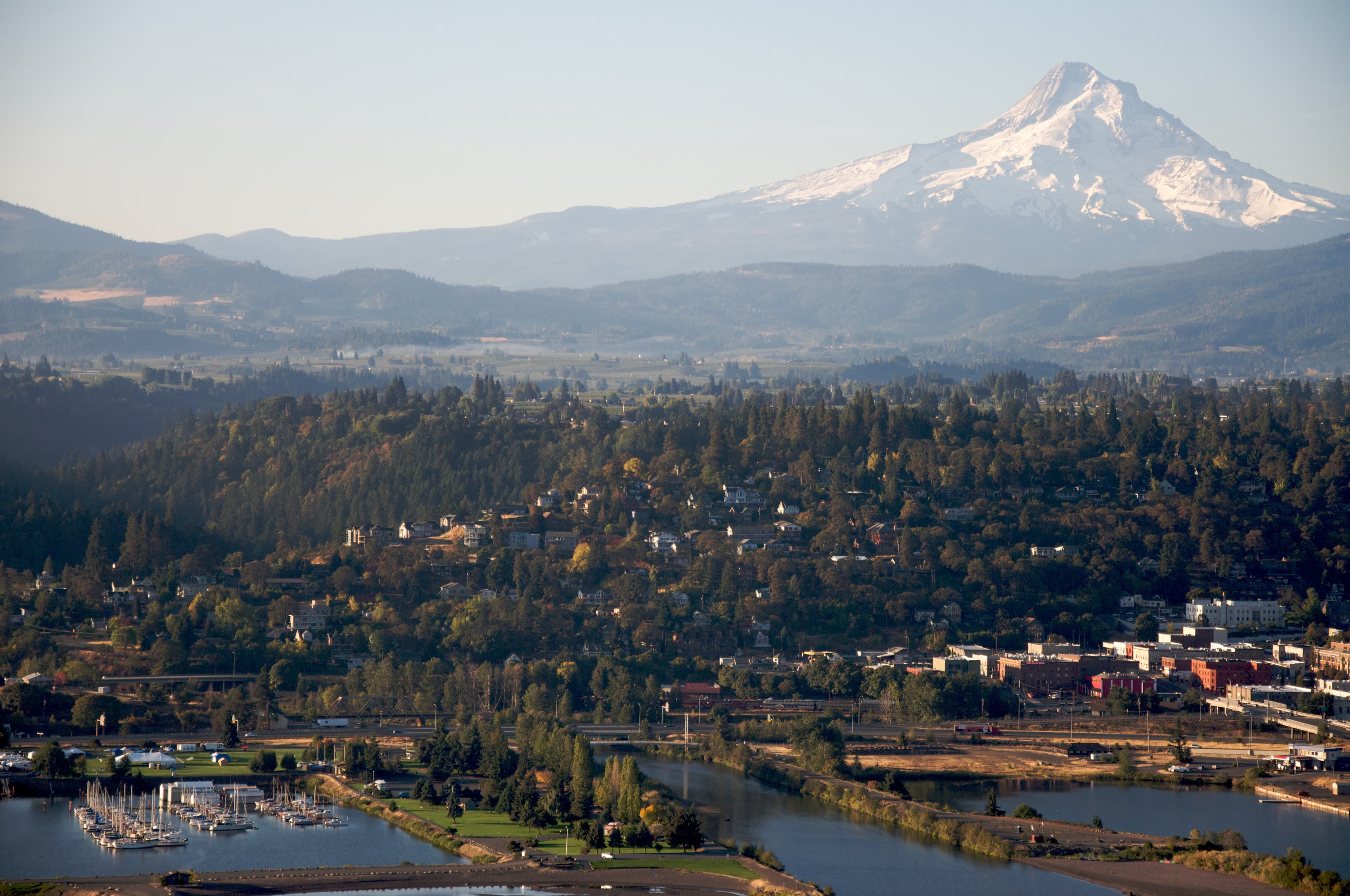
The Columbia River Gorge runs along the border between Oregon and Washington, where the Columbia River cuts a deep, narrow slot through the Cascades on its way from the Interior to the Pacific. The gorge is one of the deepest and longest river canyons on the West Coast, and it is lined on the Oregon side by a road, a rail line, and a string of small towns and viewpoints that make it one of the most driven-through landscapes in the country. The river is the largest on the Pacific coast by volume, and the gorge is the place where the river's power and the landscape's depth meet.
The Oregon side of the gorge is the one this guide follows, and the road that follows the river through it is one of the most continuous scenic drives in the state. The gorge runs from the Cascades to the river's mouth near the coast, and the waterfalls, the towns, and the overlooks are all on the Oregon side, which is the side with the views. The nearest real city is Portland, and the gorge begins about an hour east of it, so the drive in is short and the drive through is the whole visit.
### The river and the gorge
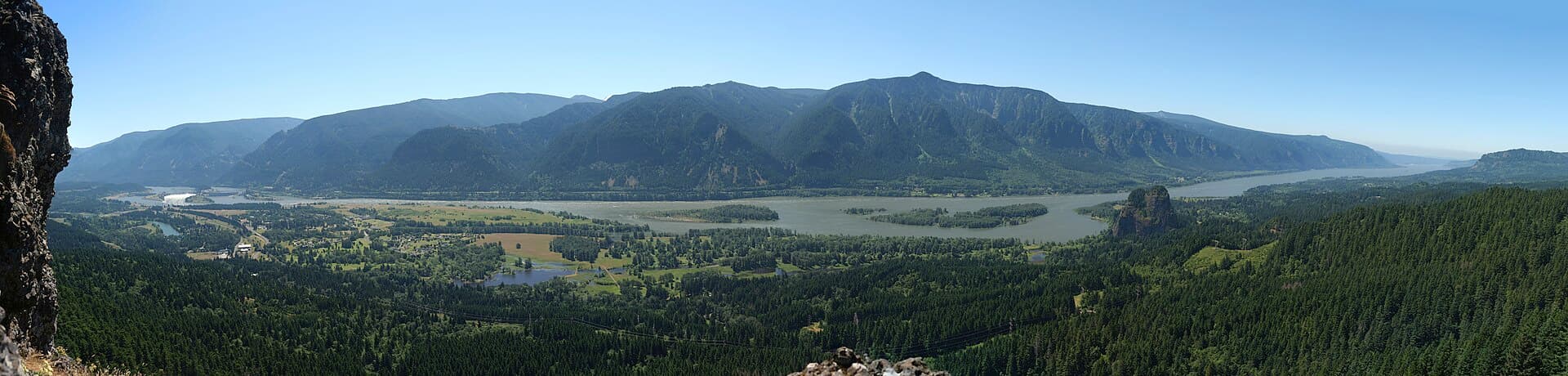
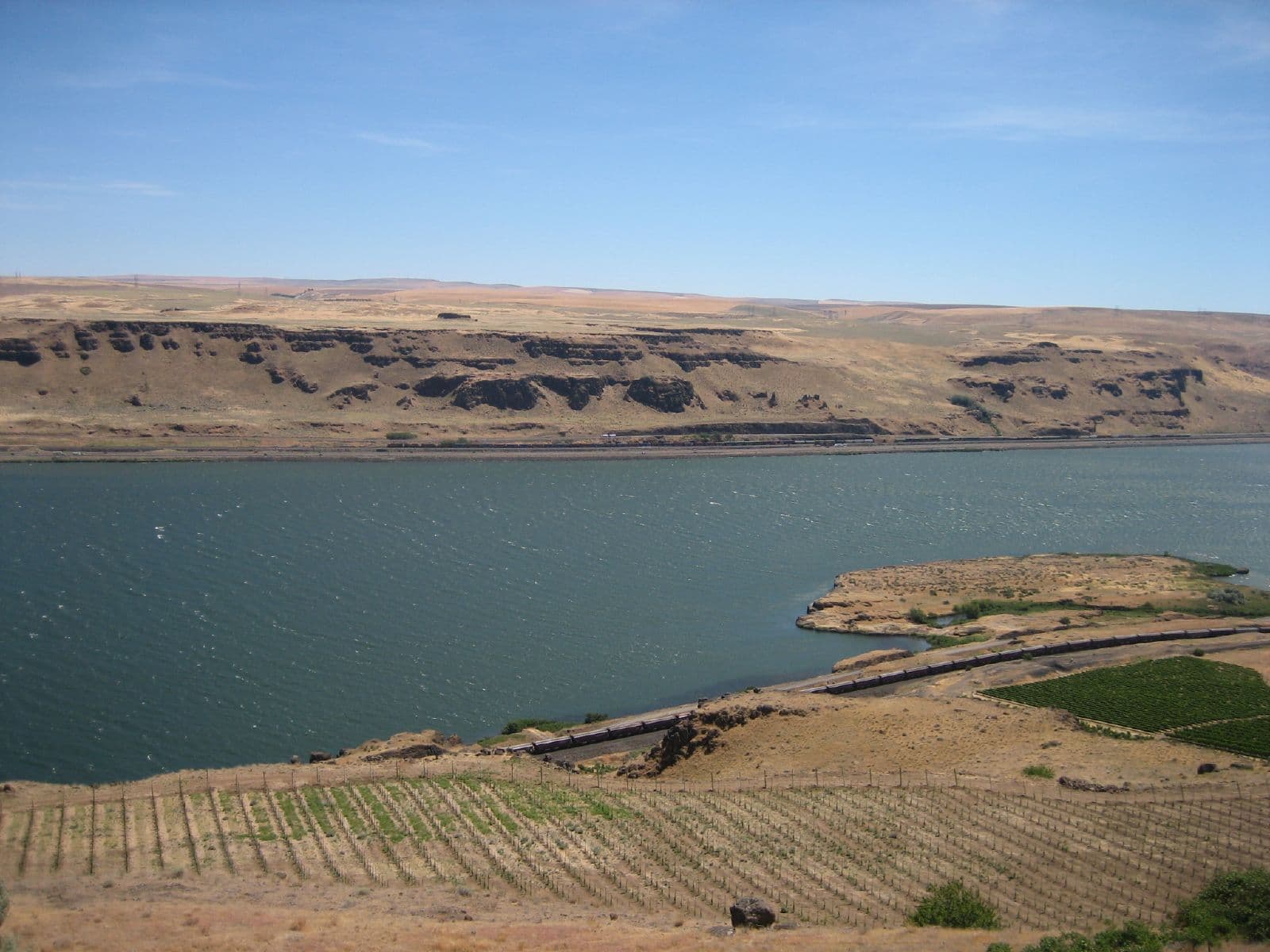
The Columbia River is the largest river on the West Coast by volume, and the gorge is the place where it cuts through the high country. The river drops over the basalt and the rock of the Cascades, and the walls of the gorge stand hundreds of feet above the water in places, so the river reads as a deep, fast line at the bottom of a narrow box. The geology is volcanic: the high country is basalt from the great flood basalts, and the gorge was cut through it over a long time by a river that has not stopped. The result is a landscape that is at once deep and open, with the river at the bottom and the high country above it.
The gorge is long, and the road follows the river for the whole length of it, so the visit is a drive rather than a destination. The water is fast and cold and clear, and the power of the river is visible in the rapids and the drops, and the wall of the canyon is the thing that makes it a gorge rather than a valley. The river is the reason the towns are where they are, and the gorge is the reason the drive is worth making.
### The waterfalls
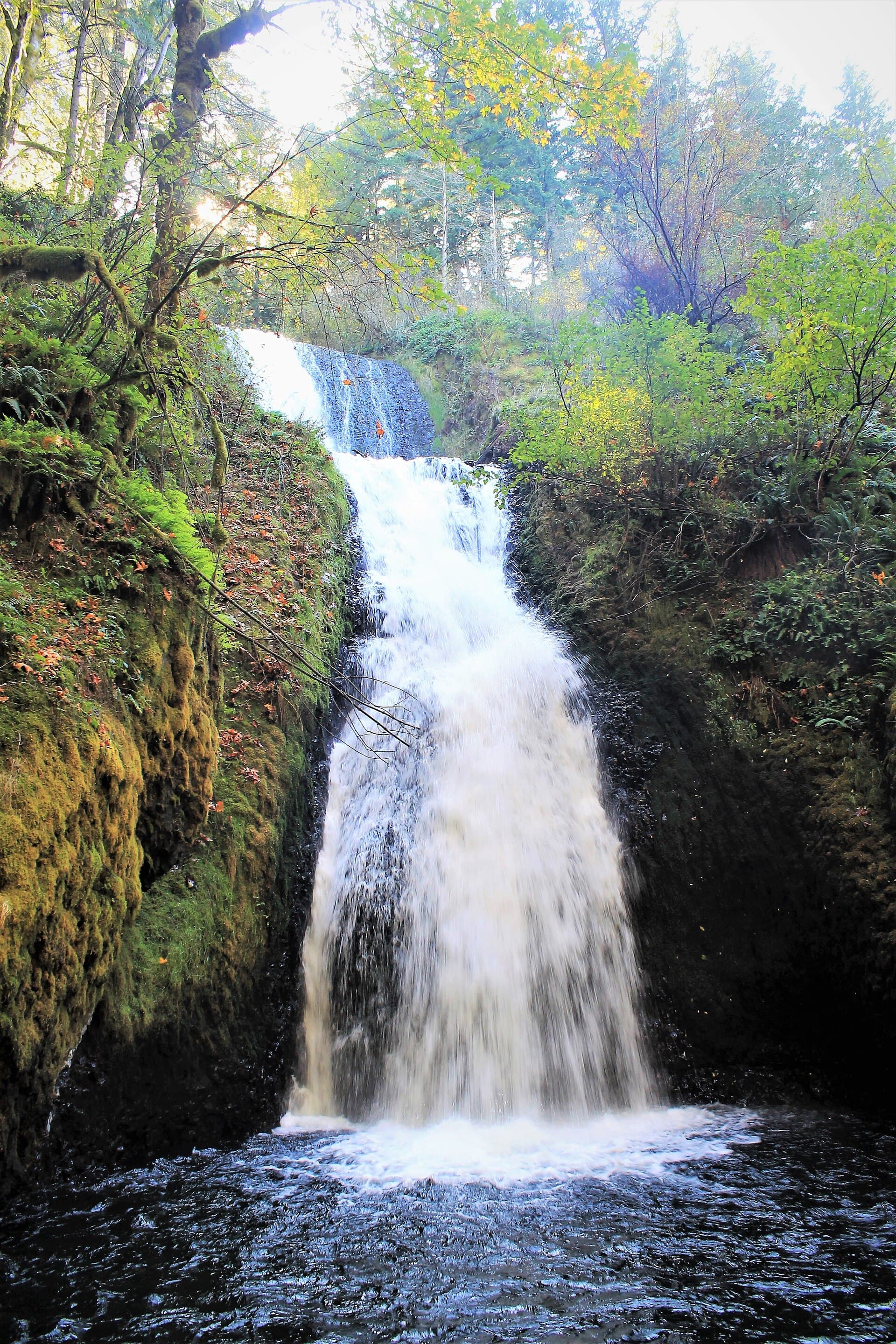
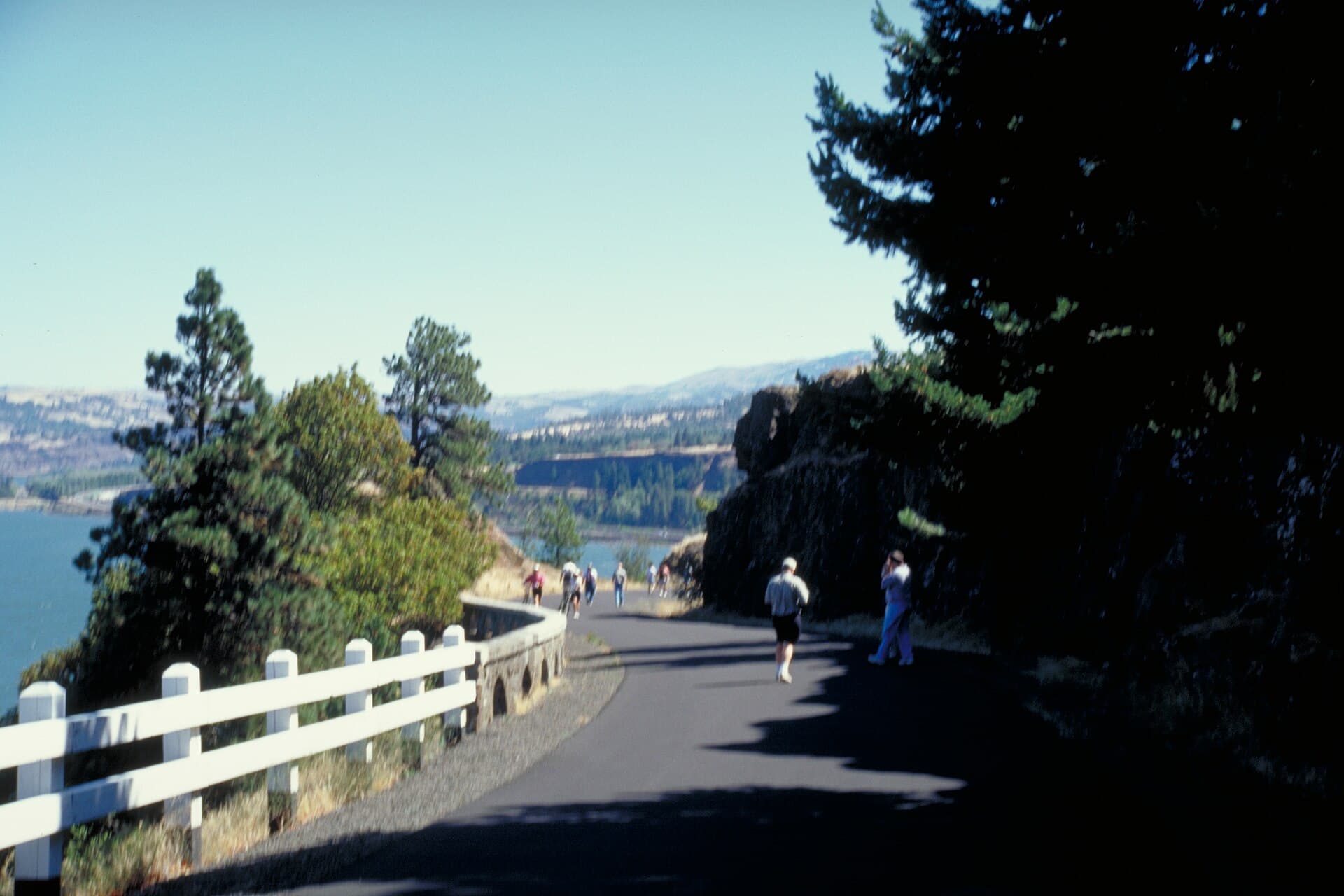
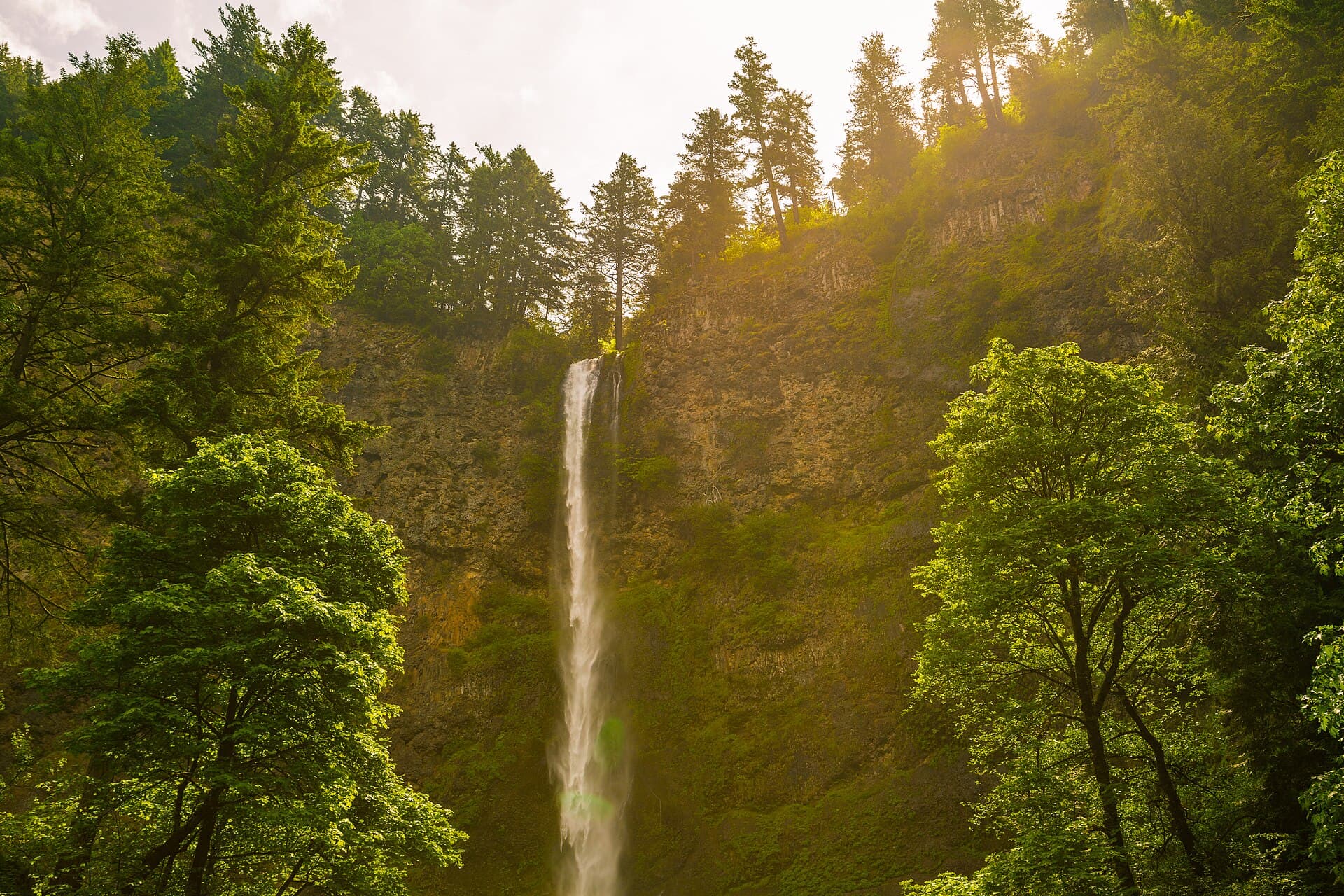
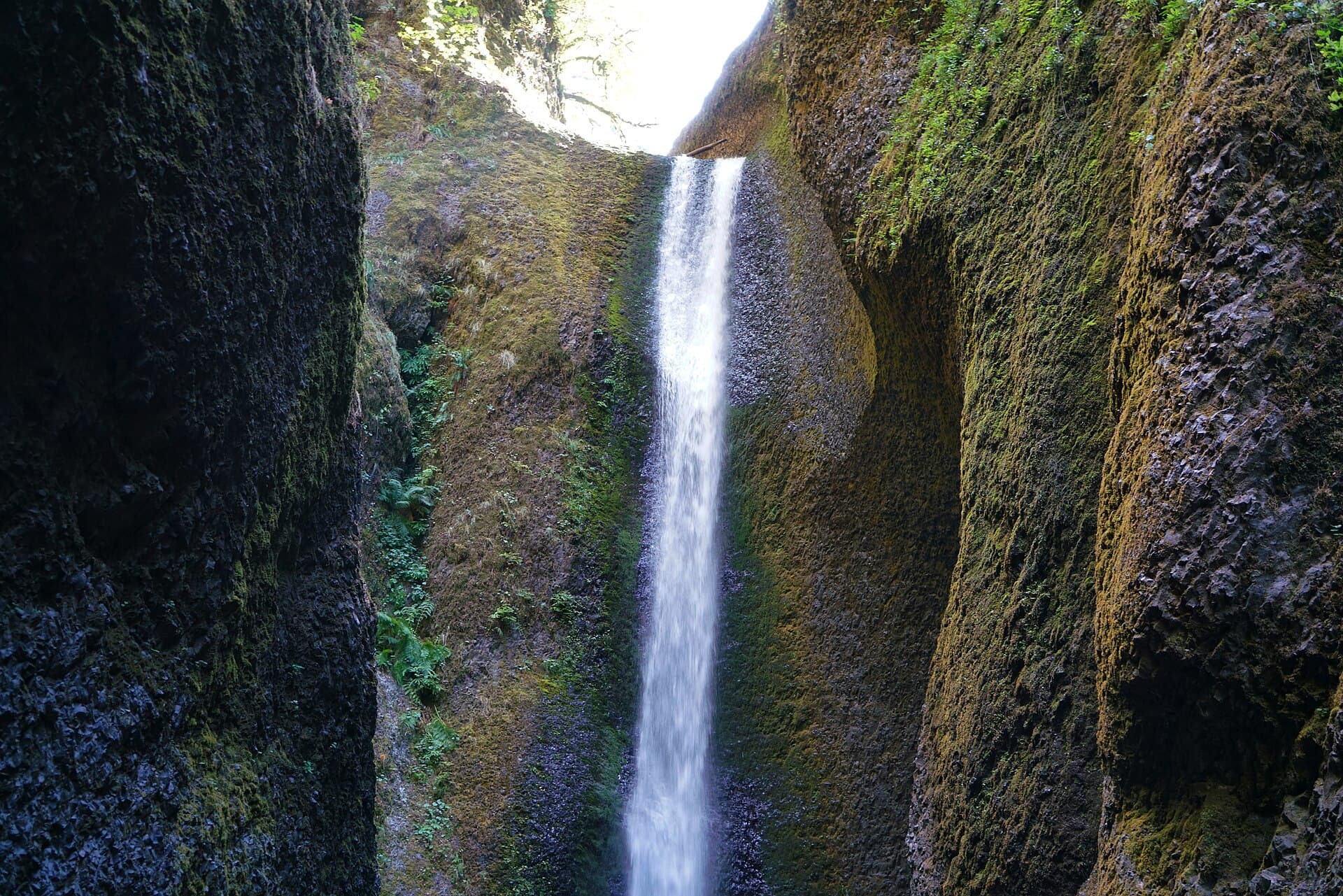
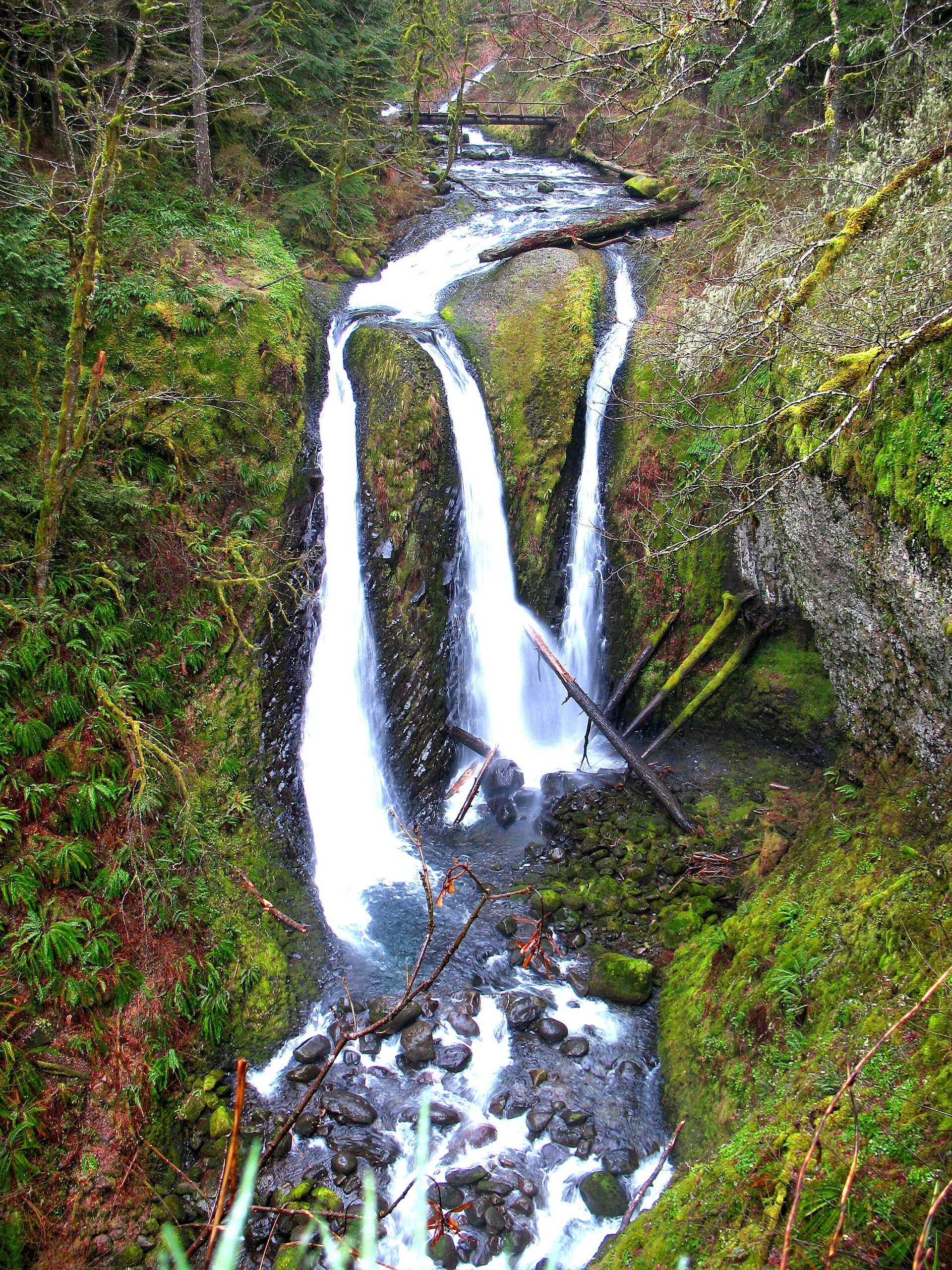
The gorge is the place for the waterfalls, and several of the most accessible ones on the Oregon side are short walks from the road. The falls drop over the edge of the high country into the gorge below, and the short trails take you to the top of the drop, where the view of the falls and the river below is the point. The water is the sound and the view, and the short walks are the reason the gorge is a series of stops rather than a single drive. The falls are the thing to plan the visit around, and the short walks are the core of it.
### The towns and the overlooks
The Oregon side of the gorge is a string of small towns and viewpoints, and the drive through is the whole visit. The towns are small and the views are long, and the overlooks drop straight to the river, so the drive is a series of stops where you pull over and look down at the water. The towns are the places to eat and to see the fruit and the wine, and the overlooks are the places to see the river and the depth of the gorge. The drive is the visit, and the stops are the points of it.
### How to get there
The gorge is reached from Portland, about an hour east, and the road that follows the river through it is the main route. The drive through is a full day if you make all the stops, and the waterfalls and the overlooks are the points. There is no single destination, and the gorge is the thing to drive through rather than arrive at. The nearest airport is Portland, and the drive in is short, so the gorge is an easy day trip from the city and a full day if the falls and the towns are the point.
### The high country and the basalt
The gorge was cut through the flood basalts of the high country, and the geology is the reason the walls stand where they do. The high Cascades are made of the great basalt flows, hard and flat, and the Columbia cut down through them over a long time to make the deep, narrow slot. The result is a landscape that is at once deep and abrupt: the river at the bottom of the box, the basalt high country above it, and the road and the rail line following the water through the whole length of it. The depth is what makes it a gorge and not a valley, and the basalt is the reason the walls do not slump into a broad bowl the way a softer formation would.
The high country above the gorge is the other half of the view, and the overlooks are angled to take in both the river below and the basalt high country above. The water is the working part of the system, cutting and carving, and the high country is the standing part, the rock the river is cutting through. Together they are the reason the drive is worth making, and the reason the gorge reads as deep rather than merely long, and the reason the high country stays a wall and not a slope over the whole length of the river's run through it.
### Best time to go
The gorge is at its most active in the spring and the early summer, when the water is high and the falls are at their loudest, and the fruit and the vineyards are at their best in the late summer and the fall. The high water in the spring is the reason the falls are at their strongest, and the cool of the fall is the reason the vineyards are at their good. Summer is the dry and warm window, and the gorge is busiest then, but the views are at their clearest and the drive is at its easy. The water is the thing to see in the high season, and the light is the thing to see in the low.
### Practical details
The drive through the gorge is a state road, and the overlooks and the short waterfall walks are free to reach, though some of the trailheads have a small fee. The towns are the places to eat and to stop, and the fruit and the wine are the reason the late season is the good one. The drive is the visit, and the stops are the points, and the water is the thing to see in the high water and the light is the thing to see in the low. The gorge is an easy day from Portland and a full day if the falls and the towns are the point.
Chases the long, driven-through corners of the West.
Research Note: confirm hours and access with the operator before a long drive.
Highlights
The Columbia River
The largest river on the West Coast by volume, cutting a deep, narrow slot through the Cascades.
The waterfalls
Several of the most accessible falls on the Oregon side are short walks from the road.
The string of towns
Small towns and long viewpoints line the Oregon side, and the drive through is the whole visit.
The deep gorge
One of the deepest and longest river canyons on the West Coast, cut through the flood basalts.