the operator lists the Wichita Mountains Wildlife Refuge’s main public location at 21088 State Hwy 115 in Cache, Oklahoma. general day-use entry is free; the mapped main location should not be confused with every refuge gate. however, the absence of potable drinking water is the most critical logistical factor for any visitor. the refuge explicitly states that there is no potable water available for drinking, meaning you must bring enough for your entire stay. do not assume you can refill your bottle at a spigot or rely on a stream; the water you carry is the water you have.
from I-44, the operator directs drivers to Highway 49 at exit 45, then west: 7 miles reaches the refuge gate, while 14 miles reaches the Visitor Center. from Highway 62, take Highway 115 at the Cache exit north to the refuge gate. those are different arrival landmarks, not interchangeable pins; pick up a refuge map at a gate leaflet dispenser or consult Visitor Center staff during building hours.
daylight dictates your access to the landscape. the lands, roads, and trails are open daily from sunrise to sunset. this is distinct from the administrative hours of the facilities. the Visitor Center is open daily from 9 a.m. to 5 p.m., while the headquarters office operates Monday through Friday from 8 a.m. to 4:30 p.m. building hours do not define sunrise or sunset, and they do not guarantee that every trail is available. check current operator notices and plan the walk around the outdoor-access window, not an assumed staffed welcome.
wildlife watching starts with leaving the animals space. bison and longhorn roam freely, and the operator’s instruction is direct: do not approach them, for your safety and theirs. sightings are not guaranteed. if animals are present at a stop you had planned to use, watch without moving toward them or choose another stop rather than pressing closer for a photograph.
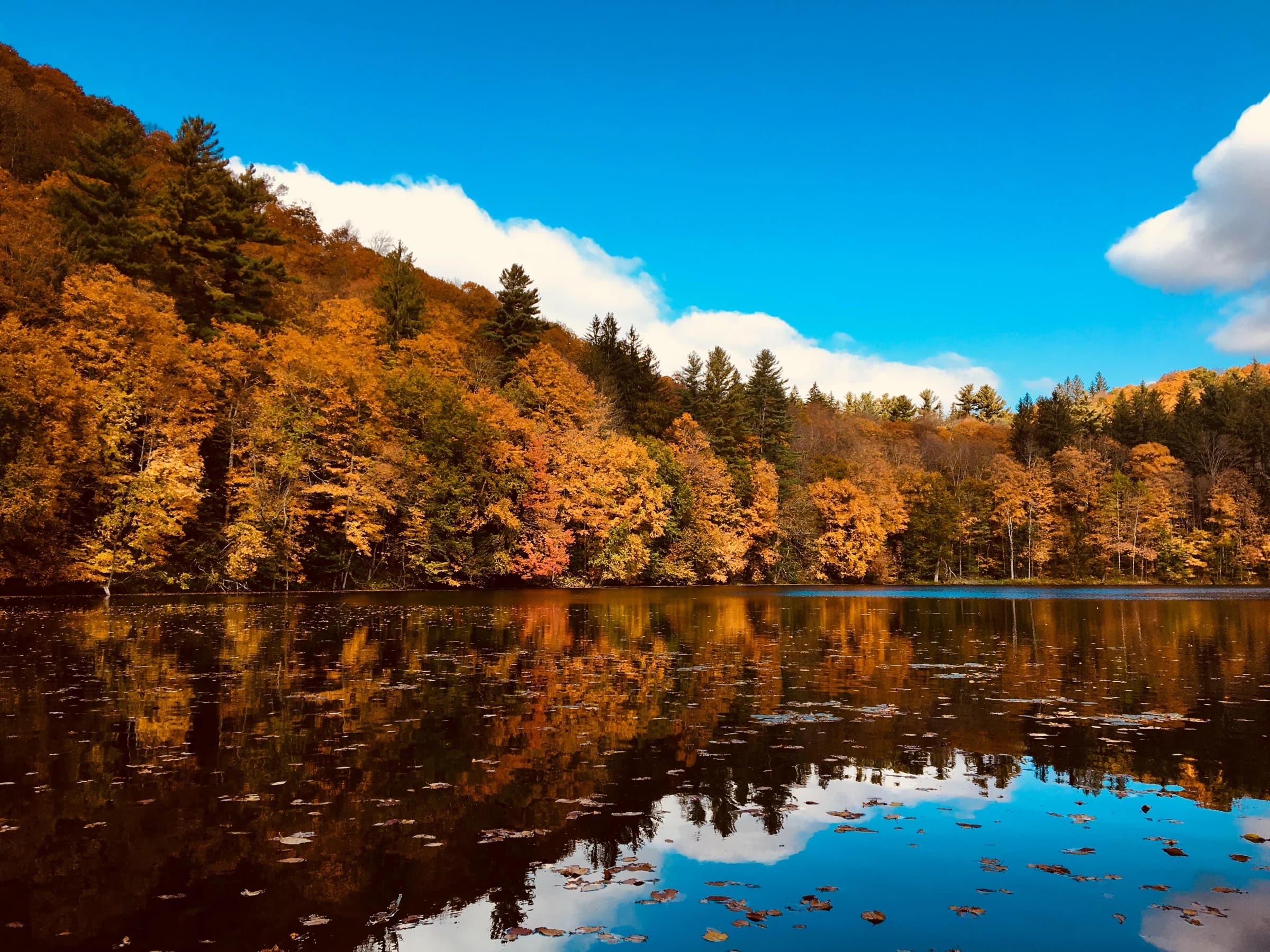
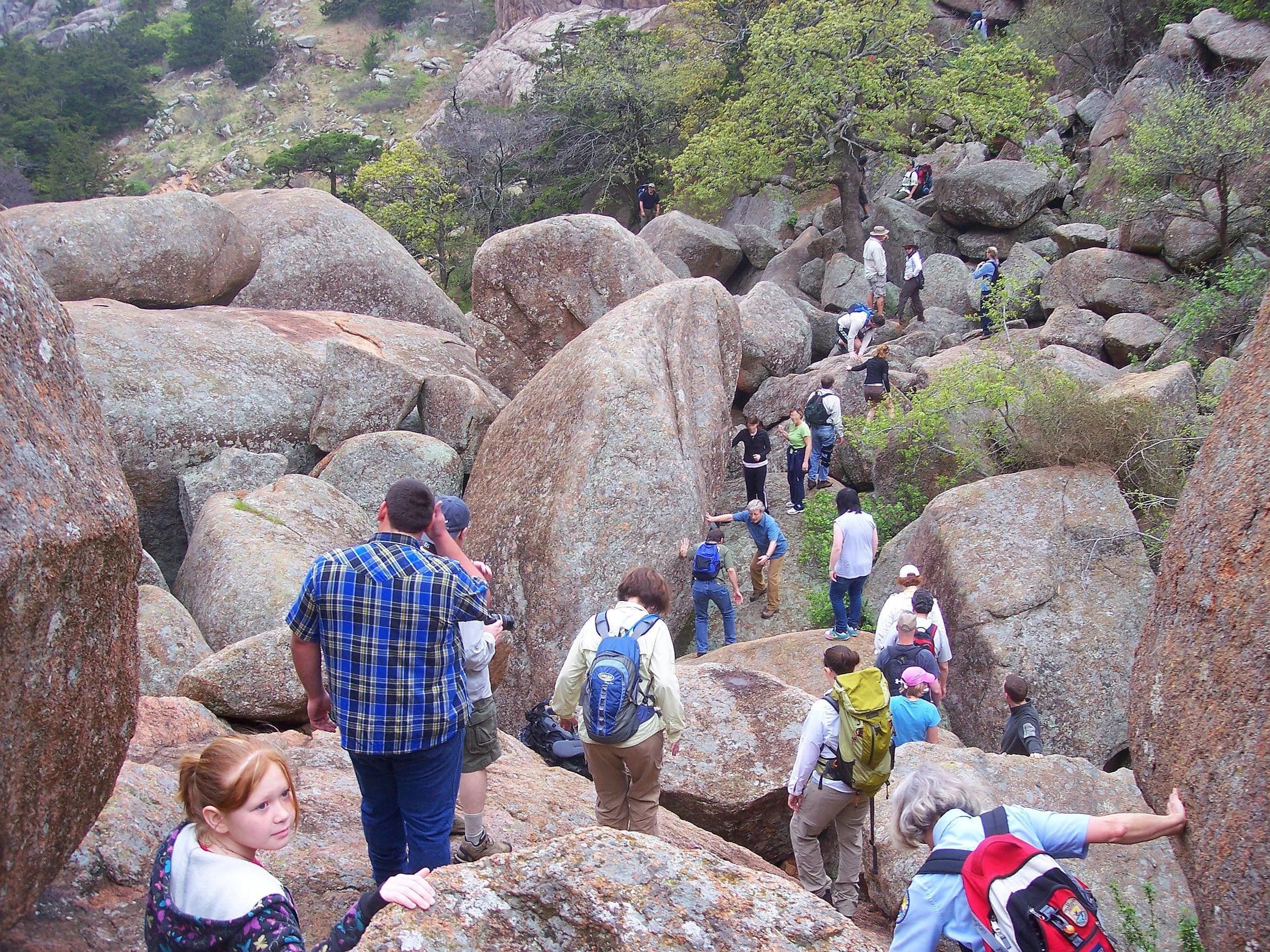
the trail system consists of 15 miles of designated hiking trails. this is the total inventory of marked paths, not the length of a single hike. the trails wind through varied terrain, including scrub oak forest, rocky mountains, and grass prairie. the description notes that wildlife abounds along these trails, which reinforces the need to stay on the designated paths and remain aware of your surroundings. whether you are a novice or a seasoned hiker, the 15-mile network provides a range of options, but you must choose your specific route based on your fitness level and the time you have before sunset.
if you plan to stay overnight, the rules change significantly. all camping within the refuge is available by reservation only, and you can book through Recreation.gov or the rec.gov app. there is a fee for camping, which distinguishes it from the free day-use entry. the camping options are divided into developed areas and backcountry, each with its own set of constraints. in the developed picnic and camping areas, fires are allowed only in provided fire rings and grills. these fires must be attended at all times and completely extinguished before you leave. this is a standard fire safety rule, but it is specific to the provided infrastructure.
camping in designated portions of the Charon’s Garden Wilderness Area is a different choice with stricter limitations. permits for backcountry camping are issued on a first-come, first-served basis for a maximum of three days. the available days are Friday, Saturday, Sunday, or Monday, Tuesday, Wednesday. no permits are issued for Thursday. a total of ten permits can be issued for any time period, and reservations are taken up to three months in advance. this limited availability means that if you want a backcountry experience, you need to plan ahead and be prepared for the possibility that the permits are already taken. permits are available only through Recreation.gov; staff no longer issue them on site. furthermore, the fire rules in the backcountry are more restrictive: campfires or open fires of any kind are strictly prohibited. this is not a refuge-wide ban, as fires are allowed in the developed areas, and the designated backcountry’s prohibition should not be treated as permission for any particular cooking equipment.
nighttime use of the refuge is also regulated. unless you are fishing, all parking areas, pullouts, refuge side roads, and trailheads close from sunset to sunrise. the main roads remain open for travel at any time, but they are for through traffic only. this means you can drive through the refuge at night, but you cannot stop to hike or explore unless you have a special use permit for nighttime activities other than fishing. this rule effectively limits your outdoor exploration to the daylight hours unless you are a camper in a designated area or have a specific permit.
the choice between a day trip and an overnight stay depends on your tolerance for logistics. a day trip is simpler: you enter, hike, and leave before sunset. you must carry your water, respect the wildlife, and stay on the trails. an overnight stay requires a reservation, a fee, and adherence to specific fire and permit rules. if you choose the backcountry, you must secure a permit from the limited pool of ten available slots and avoid open fires entirely. if you choose a developed campsite, provided fire rings remain subject to current operator restrictions but must still manage your water and daylight hours.
before leaving, choose the outing you can actually support: a daylight walk with drinking water already packed, a reserved developed campsite, or a confirmed backcountry permit. an unconfirmed overnight plan is a reason to change the plan, not to assume staff can issue a permit on arrival. keep the operator’s map and current notices available before setting out; spotty cell coverage makes checking everything at the trailhead a poor fallback.
Research Note: confirm hours and access with the operator before a long drive.
Highlights
self-sufficient hydration
there is no potable water available for drinking, so you must bring enough for your entire stay.
free-roaming wildlife
bison and longhorn roam freely; the official rule is to not approach them for safety.
backcountry fire ban
open fires are prohibited in the designated backcountry. developed-area fire rings follow separate operator rules; check current restrictions.