Marsh-Billings-Rockefeller National Historical Park is not a static, untouched wilderness. it is a working managed forest where many stands are still harvested for their wood. this active management shapes the landscape, creating a place where the rhythm of timber production coexists with public recreation. for a winter visitor, this means the park is defined by its carriage roads and trails rather than by the interior of its historic buildings. the park grounds and trails are open year-round during daylight hours, but the physical infrastructure for visitors is limited during the colder months. all park buildings, including the Carriage Barn Visitor Center and the Marsh-Billings-Rockefeller mansion, are closed between October 31 and Memorial Day weekend. consequently, do not plan on an open Carriage Barn Visitor Center or a winter mansion interior; confirm any essential facilities before setting out. the experience is fundamentally outdoor-focused, relying on the visitor’s ability to navigate the terrain and manage their own comfort in the elements.
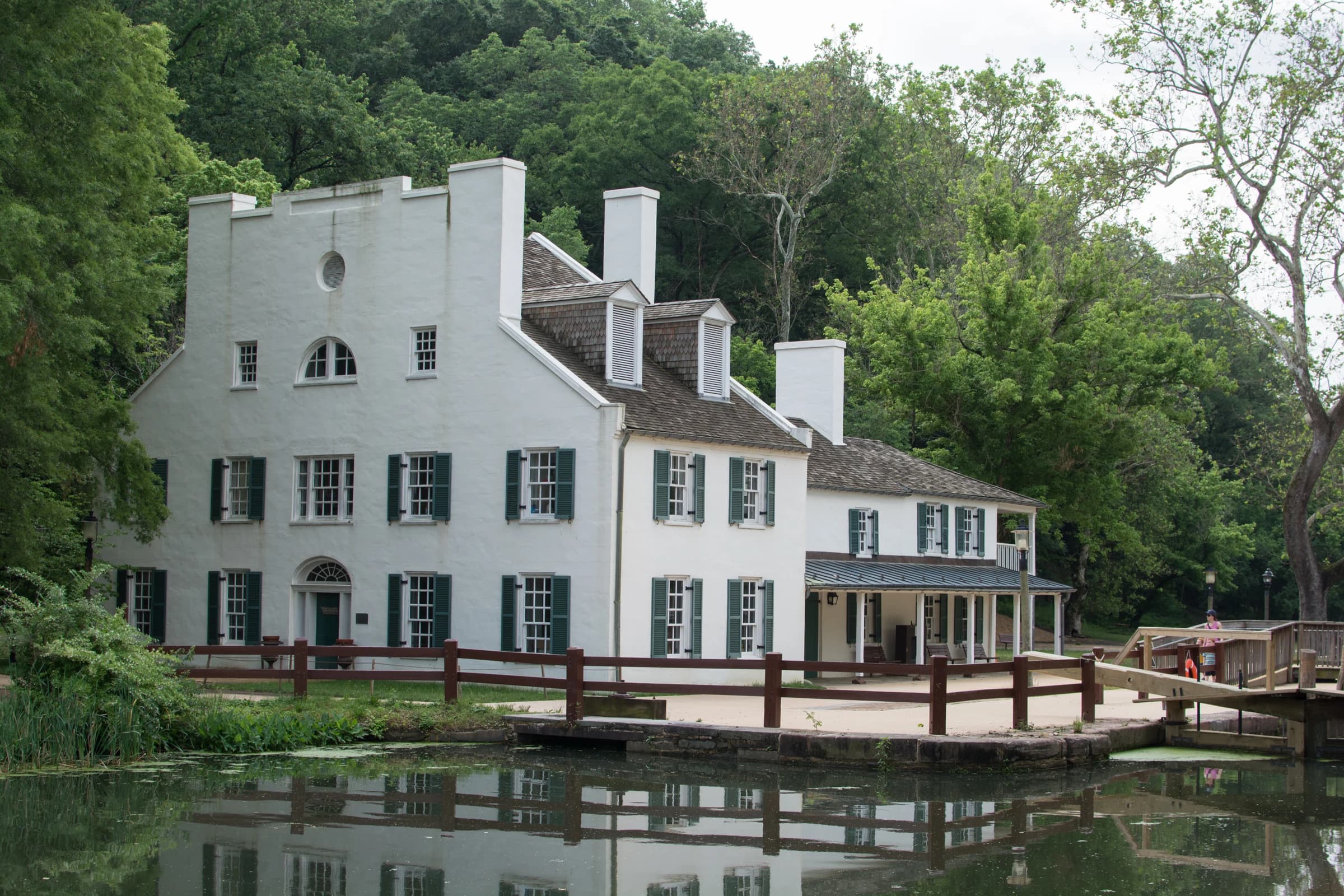
the approach to the park requires a specific understanding of the local geography. the recommended physical and GPS destination is the Billings Farm & Museum parking lot at 69 Old River Road, Woodstock, VT 05091. it is important to distinguish this from the mailing address, 54 Elm Street, which is not the recommended parking destination. the National Park Service identifies two free parking lots at this location: a main lot immediately after turning onto Old River Road, adjacent to the Billings Farm Visitor Center, and an RV or overflow lot across the street. while parking in these lots is free, this does not establish free admission to the separate Billings Farm & Museum, which is a private partner facility. visitors should plan for the possibility of a separate fee if they wish to enter the museum itself, as the shared parking arrangement does not automatically grant access to its exhibits.
from the main parking lot, the walk to the park entrance involves a short but distinct route. visitors take the paved path next to the flagpole, to the right of the Billings Farm Visitor Center, and cross Elm Street at the crosswalk. after passing the Marsh-Billings-Rockefeller entrance sign, the path forks, and visitors take the left fork. this leads to a short, steep hill that climbs to the Carriage Barn Visitor Center. the approach is not flat; the steepness of the hill is a notable feature of the arrival experience. because cell service is limited in the park, it is advisable to print or download a map to your phone prior to starting your walk. in the snow season, specifically, visitors should use the winter trail map rather than relying on summer route estimates, as conditions and access can differ significantly.
the core of the winter experience lies in the distinction between free and paid trail access. approximately four miles of trail along the main carriage road corridors have been designated as Multi-Use Trails during winter. these trails, which follow Mountain Road, the Pogue Loop, and Mount Tom Road from the main entrance, are free to walk, cross-country ski, or snowshoe. no fees or passes are required for this designated corridor. however, the Woodstock Inn & Resort Nordic Center maintains and grooms more than 12 miles of park trails as part of its broader Woodstock Nordic network. to ski or snowshoe on any trails outside of the designated multi-use corridor, visitors must have a valid day ticket or season pass, available for purchase at the Nordic Center on Route 106. this distinction is crucial: park entry being free does not make all groomed nordic routes free. skiers and snowshoers using routes outside the designated free corridor must budget for this separate pass, while those content to stay on the designated multi-use corridor can enjoy the experience at no cost.
during the usual visitor season, which runs from Memorial Day weekend through October 31, the park offers ranger-led programs Thursday through Monday. these programs require a separate fee and must be purchased in advance, with reservations available up to 60 days ahead. the park operates a cashless system for these transactions, accepting only credit cards. the ordinary mansion-program season is not a promise of winter interiors. the park nevertheless advertises winter programs and workshops: check its calendar for a specific event rather than assuming that all ranger activity stops when the buildings close. the lack of guaranteed snow or grooming conditions on any given day means that visitors should check current conditions before making the trip, as the experience can vary from a crisp, groomed ski to a muddy, snowless walk depending on the weather.
the forest and the mansion suit different visits. it is a place where the presence of logging operations is a feature, not a flaw, and where the freedom to move through the forest is balanced by the practicalities of off-season access. the shared arrival at the Billings Farm & Museum provides a convenient entry point, but the true destination is the forest itself, accessible via the free multi-use corridor or the paid nordic network. for the winter visitor, the key is to manage expectations regarding building access, understand the cost structure for trail use, and prepare for a self-guided journey through a living, managed landscape.
Research Note: confirm hours and access with the operator before a long drive.
Highlights
free multi-use winter corridor
approximately four miles of designated trails along Mountain Road, the Pogue Loop, and Mount Tom Road are free to walk, cross-country ski, or snowshoe, offering a no-cost entry point into the park's winter landscape.
distinct nordic access
while the main corridor is free, access to the wider network of more than 12 miles of groomed trails maintained by the Woodstock Inn & Resort Nordic Center requires a separate day ticket or season pass, allowing visitors to choose their level of access.
shared farm arrival
the park is accessed via the Billings Farm & Museum parking lot at 69 Old River Road, a shared facility that provides free parking but does not automatically include admission to the private museum, requiring visitors to distinguish between park and museum costs.