
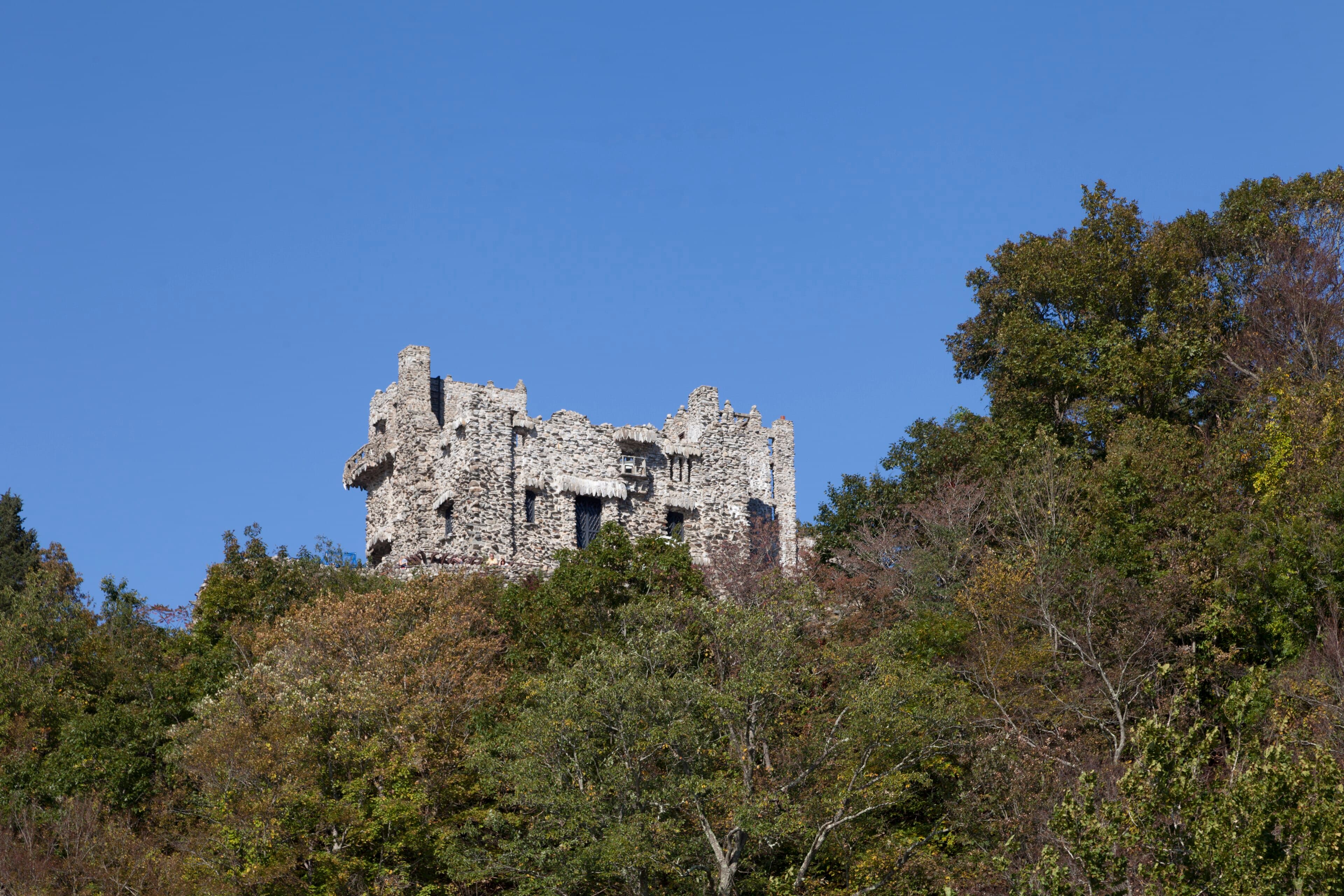
Gillette Castle State Park is not a castle the way a medieval hilltop ruin is a castle. The Connecticut State Parks listing describes a stone structure above the Connecticut River in the East Haddam/Lyme area, with grounds that include trails, an overlook, and views of the river. The operator's listed address is 67 River Rd., East Haddam, CT 06423. That address is where the listing lives, not necessarily where the structure stands.
The name itself gives the place a story. The Friends of Gillette Castle describe the estate as the **Seventh Sister**, because it sits on a hill with a distinctive presence among its neighbors; they tie the property to John Wallace Gillette, the actor known for Holmes, and his decision to build a home that behaved like a stage. The operator's page likewise connects the property to Gillette's acting career and its history. That combination — an old-money estate with a theatrical history — is the reason to visit.
## a castle is a promise about how to see one
The Friends' account says construction began in **1914** and was completed in **1919**, with further work and expansion in the 1920s. It describes a **24-room** structure, hand-worked oak interiors, and a setting that functions like a large stage set placed inside a wooded hillside. The operator's listing echoes the same broad outline, including the connection to Gillette's portrayal of Holmes and the 1914 start. Read together, the two sources agree on the shape of the story: a wealthy amateur showman built a house that was designed to be seen, and the state now manages the grounds and the tours.
## the house was built by a showman who wanted a different kind of stage
The history pages describe the building as a **stone house** with interiors made of **hand-worked oak**, a combination that reads as deliberate theater rather than domestic comfort. The structure is large by private-estate standards — 24 rooms is more a working venue than a bedroom count — and its oak surfaces suggest rooms built to be walked through as a visitor would, not merely lived in. That is the useful lens for a modern visitor: the grounds are a landscape, the interior is a production, and the two require different plans.
## the grounds are one story; the interior is another
The most important operational distinction in this guide is between **grounds access** and **interior access**. The operator's listing describes the grounds as open daily from **8 a.m. until sunset**, while the castle interior is open **only for scheduled tours**. That is a substantial difference: you can walk the property during a large window of the day, but seeing the house itself depends on a tour calendar. The listing describes the tour pattern as running daily during the primary summer season, with a reduced weekend and holiday program in the shoulder season, and a separate Friday–Sunday program around the winter holidays; it points to the operator's current booking system for exact dates.
The 2026 season notice adds the detail that the interior program is organized around **15-minute entry slots** (10 a.m. to 4 p.m.) and that **daily tickets are limited**. For a visit where the house is the goal, that means booking early and not treating the interior as a walk-up. For a visit where the landscape is the goal, the daily 8 a.m.–sunset window for the grounds gives far more flexibility, and the operator describes a self-guided interior experience of roughly **an hour** for those who book.
## the town question is a real publication gate
The operator lists the park at 67 River Rd., East Haddam, CT 06423. A separate CT DEEP page, however, describes the castle, visitor center, and ferry landing as being in **Lyme**, and states that the park is in **both East Haddam and Lyme**. The Friends site does not resolve that boundary in this source set. That is the kind of detail that should not be glossed over: the postal address and the actual building can live in different towns, and a map that pins the castle to the postal ZIP without checking can be wrong. For this guide, the listed address is reported as the address, and the structure's location is described as the East Haddam/Lyme boundary until the operator's current map or a dated confirmation settles it.
## fees should not become a guess
The listing says the grounds are free to enter, that a fee applies to the castle interior, and that parking may involve a fee, with a reference to the park's current fee schedule. It does not, in this source set, print a single flat price for an interior visit or a Gillette-specific parking charge. Nor is a general notice about parking fees enough to price this particular visit. The 2026 DEEP release explains that out-of-state vehicle charges apply at **designated** parks where fees are collected; it does not establish a Gillette-specific parking amount here. Interior tickets and parking are separate questions. Verify both on the park's current booking and fee pages on the day you prepare a trip; do not stamp a statewide fee onto this park by inference.
## the river is nearby, but words should match the picture
The park operator describes a castle above the Connecticut River and paths with views of that landscape. It also describes a **single primitive river campsite** reachable by canoe or kayak, not by vehicle. That is a different, constrained experience from parking at the castle and walking its grounds: a river camper must arrive and leave by boat, and should use the current camping reservation information, not this house-tour itinerary. It would be easy to mix the park's attractions into one impossible afternoon. Keep the house, woodland paths, and boat-in campsite separate until the operator's current details let you join them responsibly.
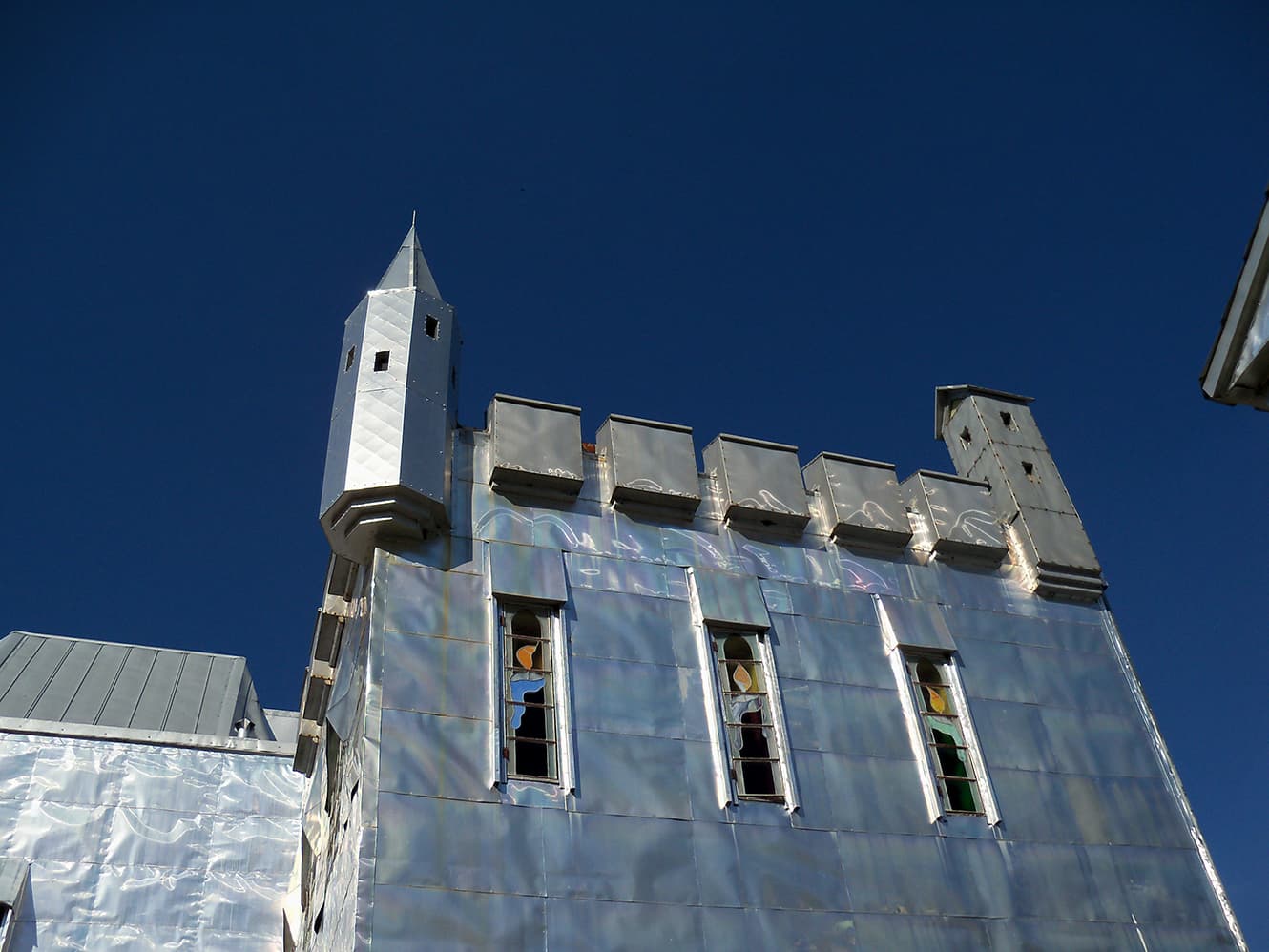
Likewise, the proposed article image is titled *Gillette Castle from the Connecticut River* by photographer Carol M. Highsmith, but a visual inspection of the actual file shows stone towers, trees, and blue sky—not a visible river. An accurate caption can call it **Gillette Castle amid trees**. The title can be reported in the credit record without pretending the photograph shows a waterfront. An article that is this attentive to a caption should be equally attentive to the ground-versus-interior distinction.
## make a real plan
For a grounds-first visit, check the park's latest hours, trail information and current access notices; go while the grounds are open and let the setting, not a tour slot, determine your pace. For an interior-first visit, check the **exact current tour calendar**, book an available ticket, and allow the operator's stated time for the self-guided house. Use the park's listed address only with a verified entrance/parking map, and do not turn its East Haddam postal label into a claim that the castle structure is in East Haddam. That final map check is a publication gate, not a detail to wave away.
Research Note: confirm hours and access with the operator before a long drive.
Highlights
The Seventh Sister
A 24-room stone estate on a hill, named for the distinctive presence of its setting.
Grounds, then tickets
Walk the grounds daily at your own pace; the house itself opens only on a scheduled tour.
Two towns, one park
The postal address is East Haddam, while CT DEEP places the castle, visitor center, and ferry landing in Lyme.
An actor's stage
Built 1914–1919 and expanded in the 1920s by a showman who wanted a different kind of house.
Above the river
A wooded hillside above the Connecticut River, with a single boat-in primitive campsite.