

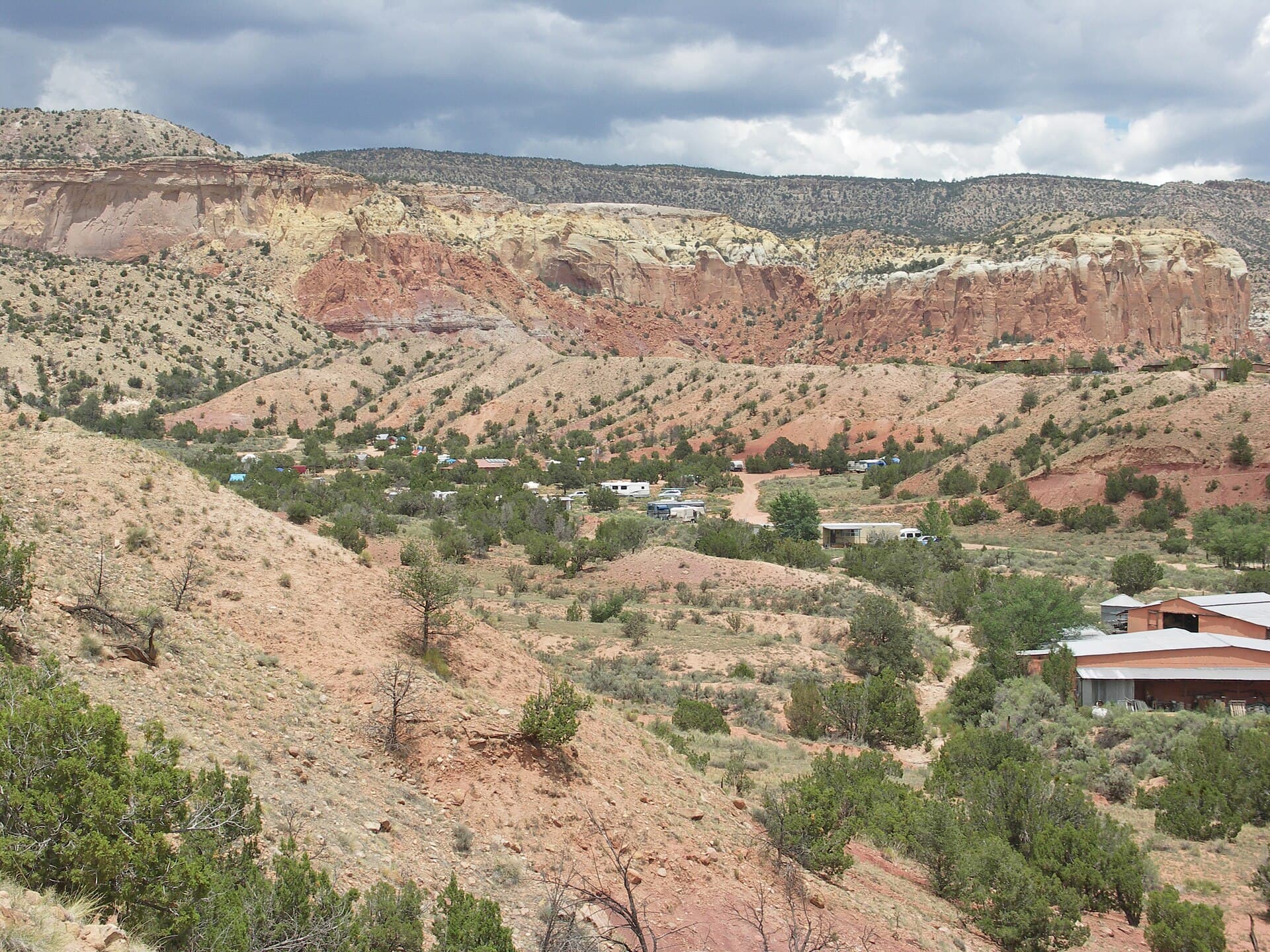
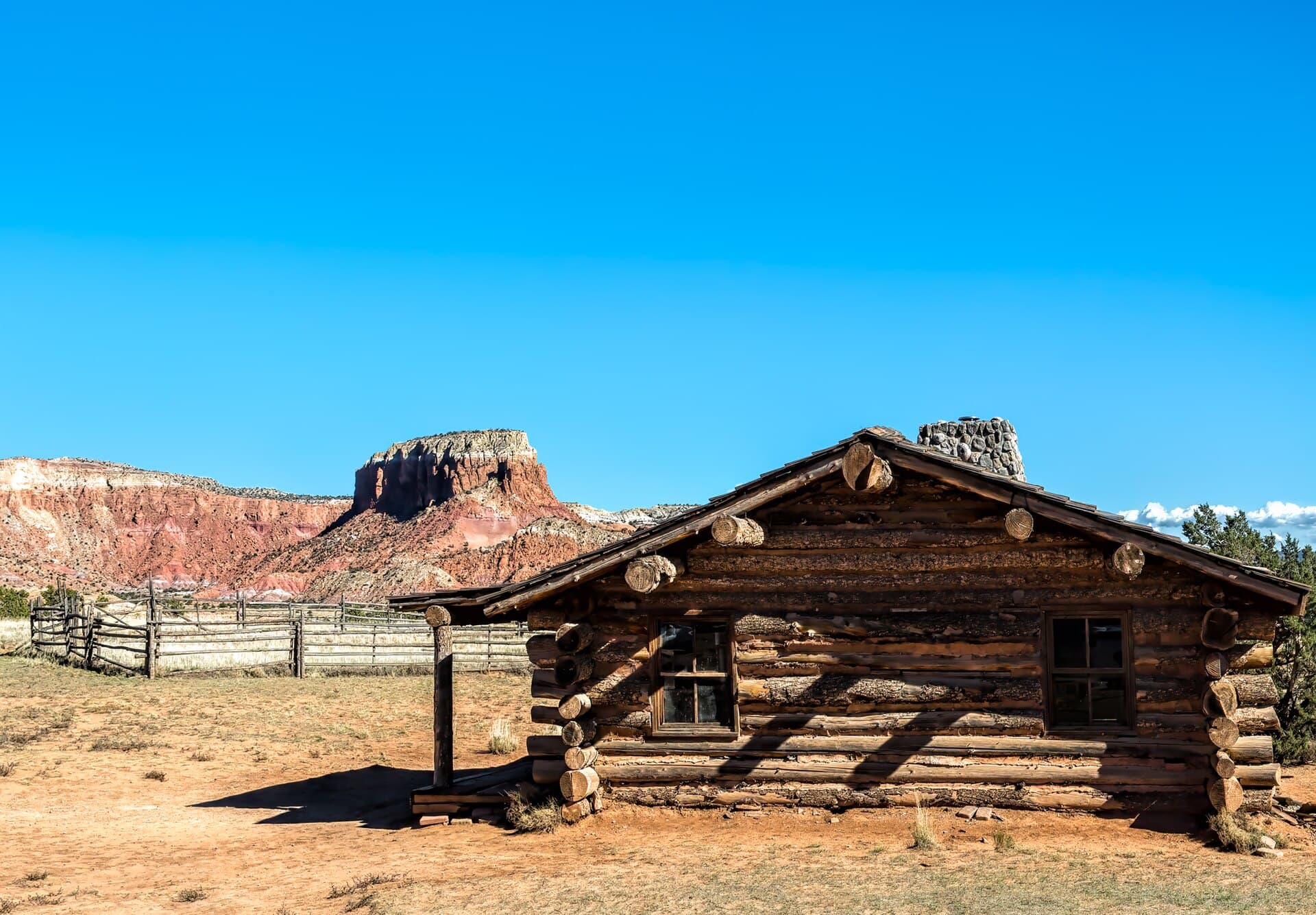
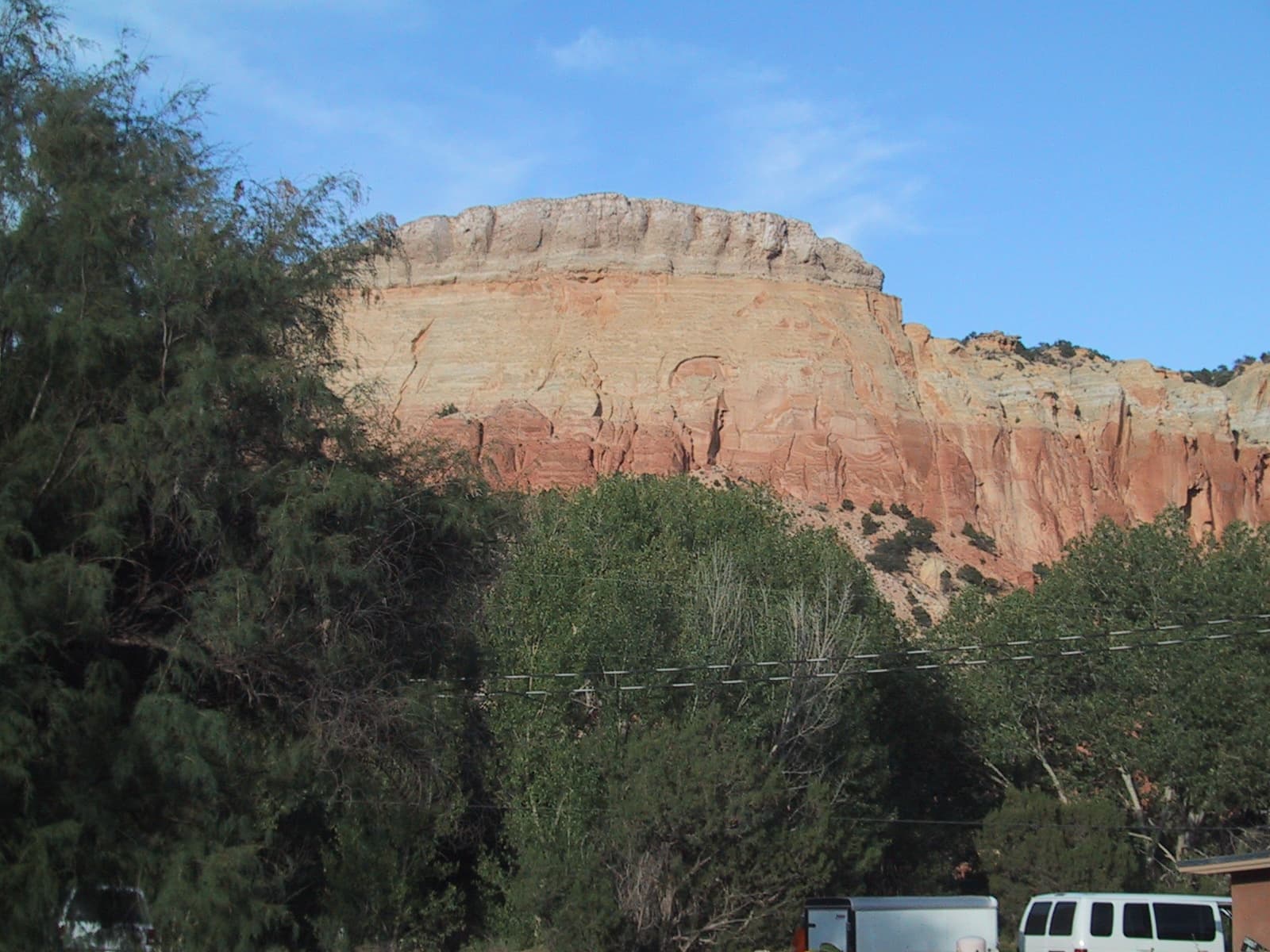
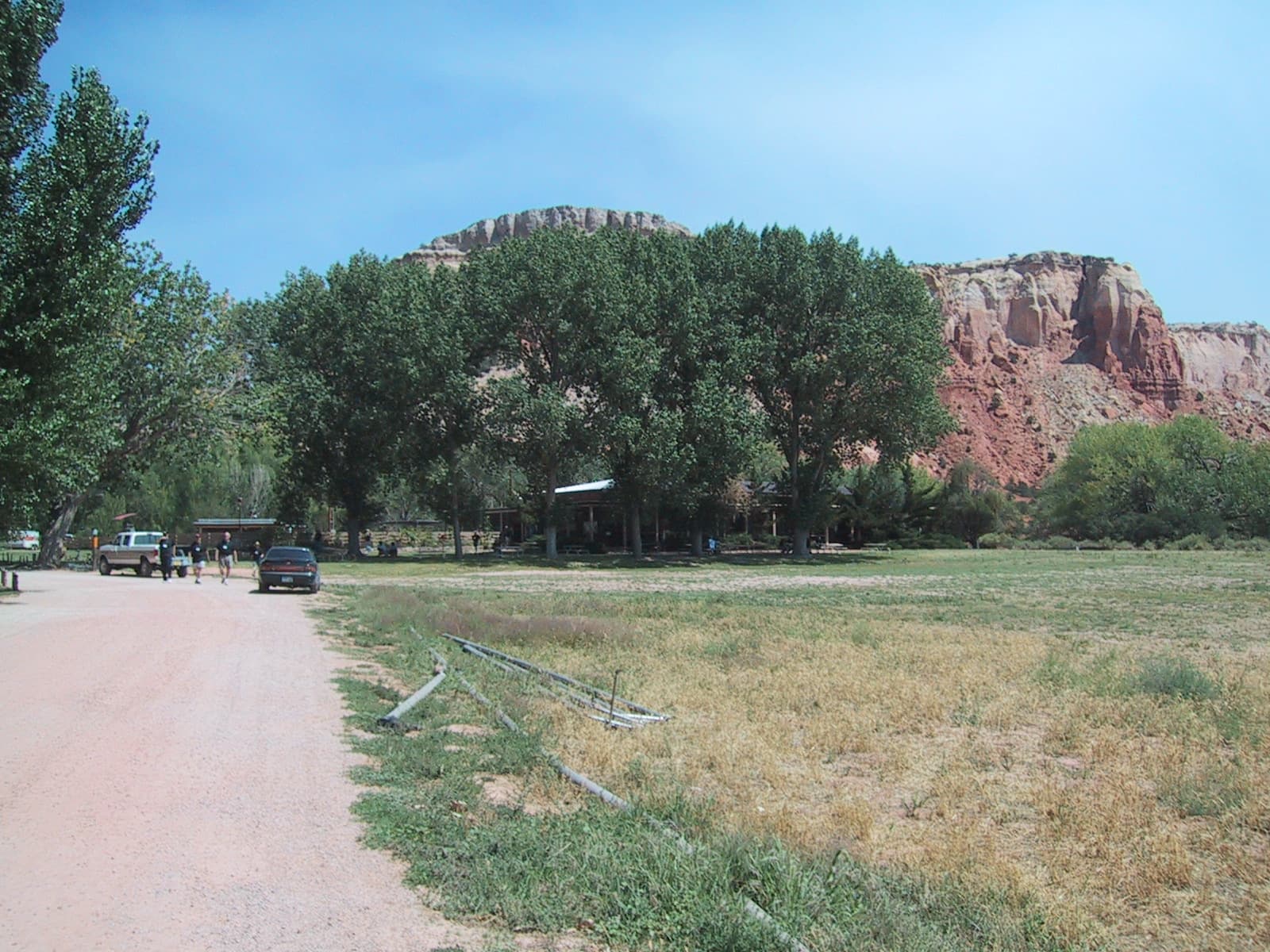

Ghost Ranch is best approached slowly, which is useful advice on a road where the view changes faster than the speed limit. The site sits on a high-desert mesa near Abiquiu, New Mexico, roughly ten miles west of Santa Fe, and the first honest way to describe it is as a working highland estate that accumulated a reputation around one painter's habit of coming back. The mesa is part of the wider Colorado Plateau country that runs through northern New Mexico, and the ranch occupies the high ground between the Santa Fe River valley and the ridge country to the west.
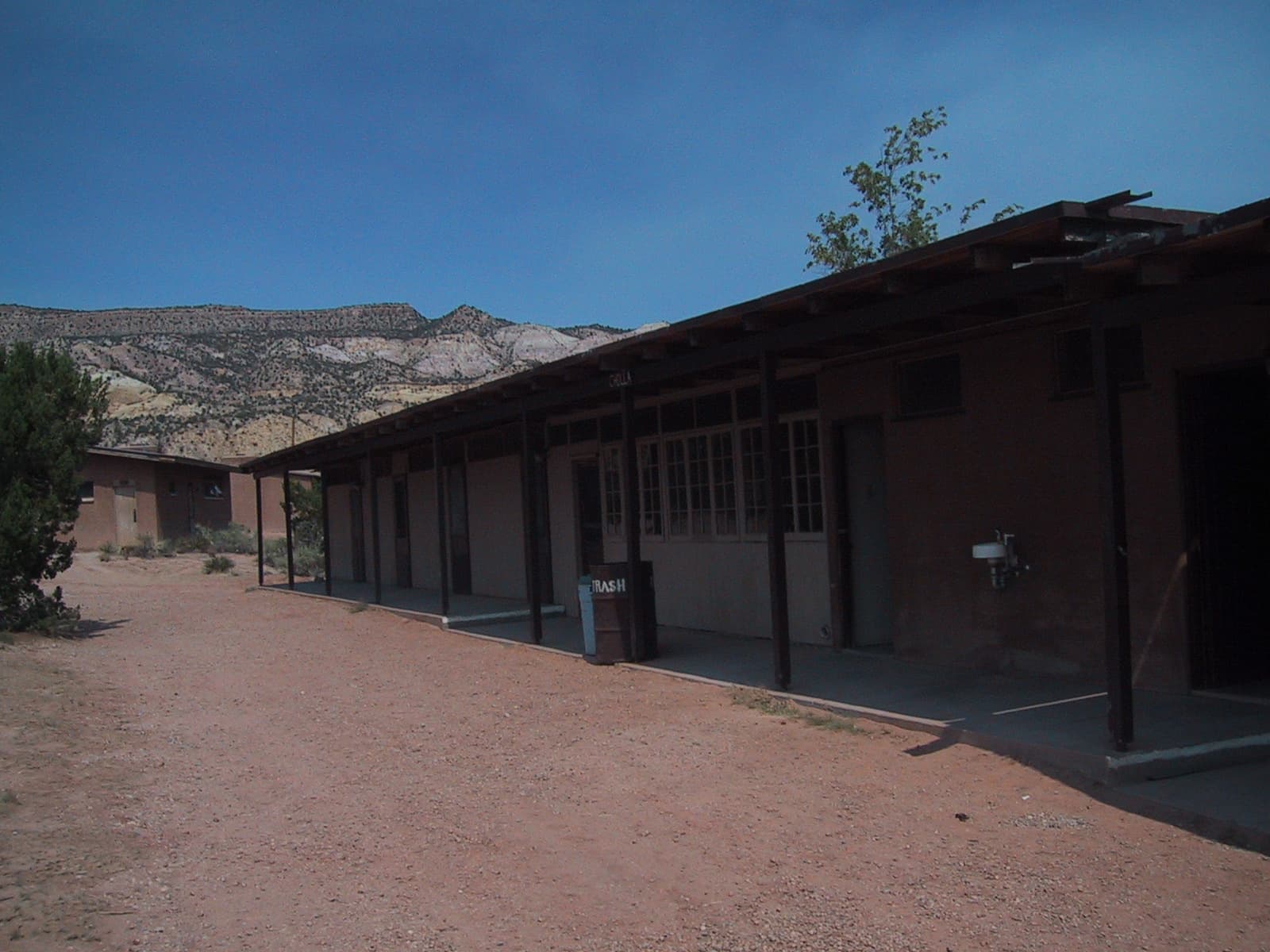
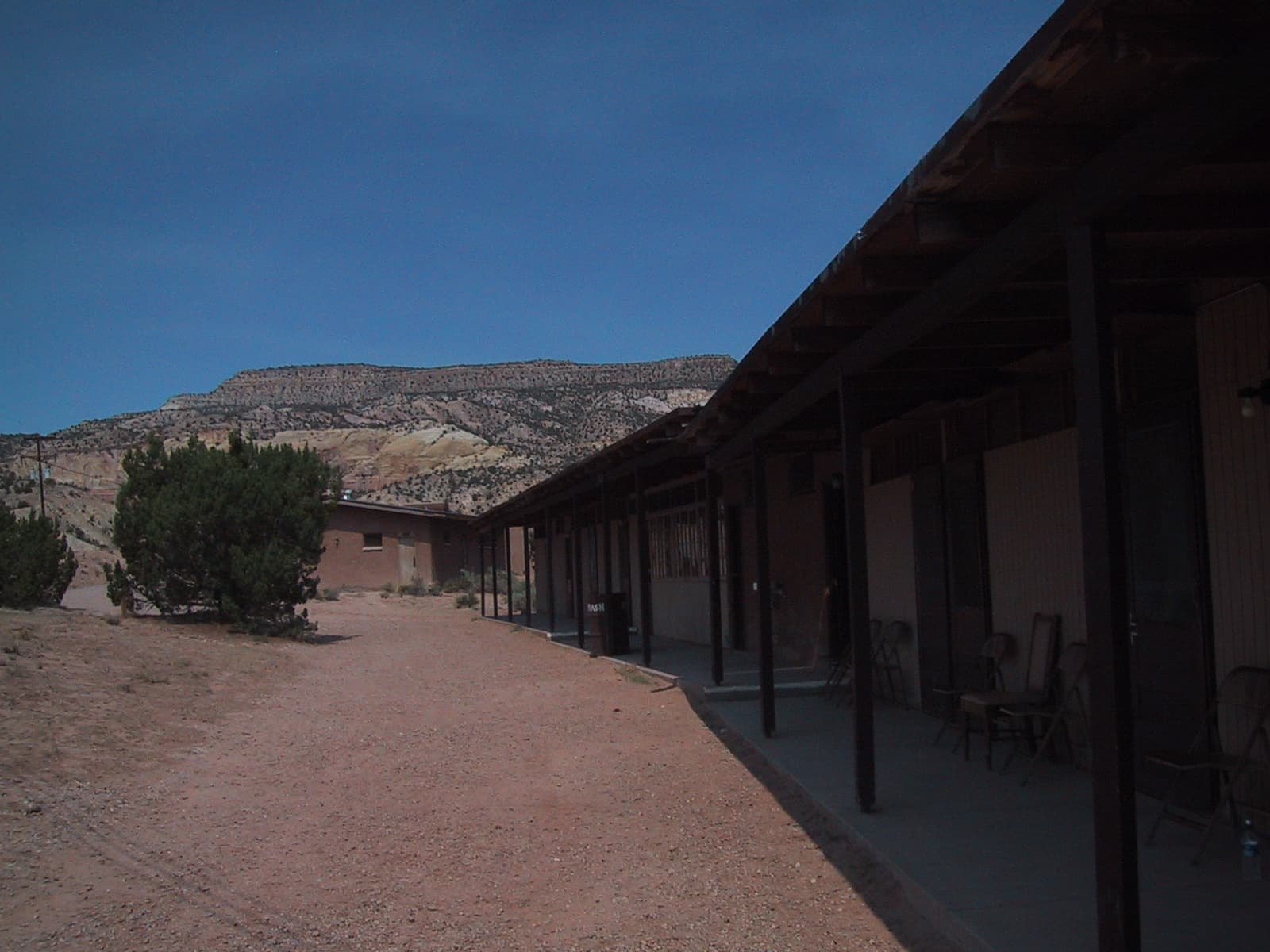
The ranch began as farmland and a working homestead on the mesa. The adobe structures that survive on the site descend from that early period, and the original buildings sit among later additions that the current owners have preserved and adapted. The architecture is the first thing visitors tend to register: low, thick-walled adobe buildings arranged along the mesa, with the high desert opening out beyond them. The structures have been listed for historic significance, and that listing is part of why the site feels like a place with a recorded past rather than a backdrop for a postcard.
The Georgia O'Keeffe connection is the claim that does most of the site's explanatory work, and it deserves the careful handling it gets in the historical record. O'Keeffe, who spent much of her later career in Santa Fe, made Ghost Ranch a regular destination for visits and painting from the late 1920s and 1930s onward, returning through much of the following decades. She is said to have regarded the ranch as one of the great landscapes of her working life, and the connection is carried into the site's formal recognition: the ranch's standing on the National Register of Historic Places and its landmark status both lean on the artistic history that O'Keeffe's paintings made famous. The claim is not that she lived there in the way the ranch functioned; it is that she painted here with enough regularity that the place and the painter became inseparable in the public mind.
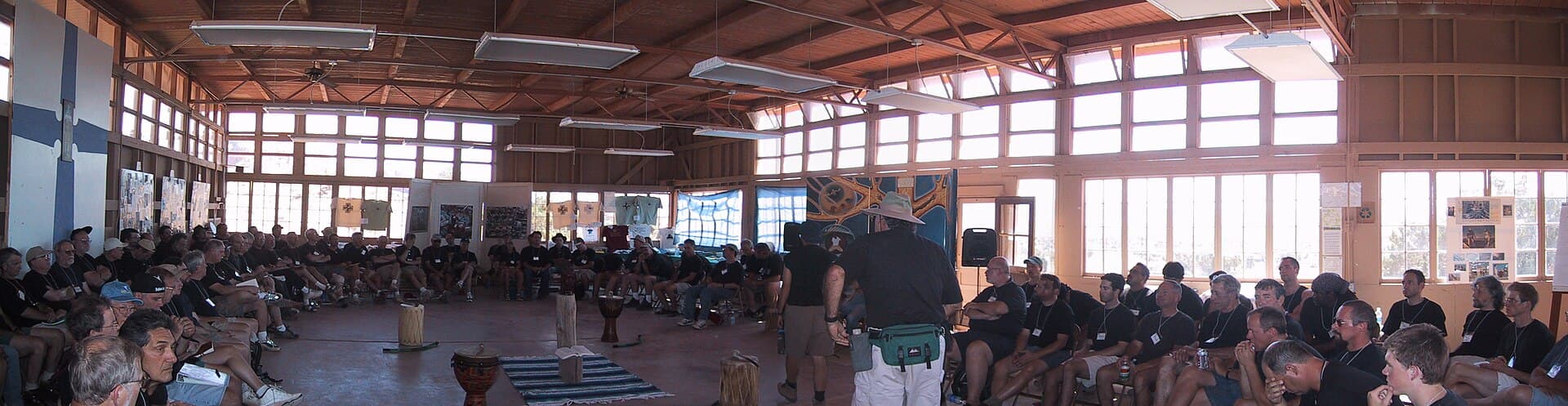
What the ranch is today is an artist colony and a guest studio community. The current operation runs residencies, workshops, and guided programs on the mesa, and the studios on site double as the infrastructure for that work. The colony has been continuous for long enough that it has produced a body of work and a body of residents whose names are associated with the site. For a traveler, that means the ranch is not primarily a walk-up scenic stop; it is a program-driven site where the way in is through the calendar, the studio, or the guided walk the ranch offers on a given day.
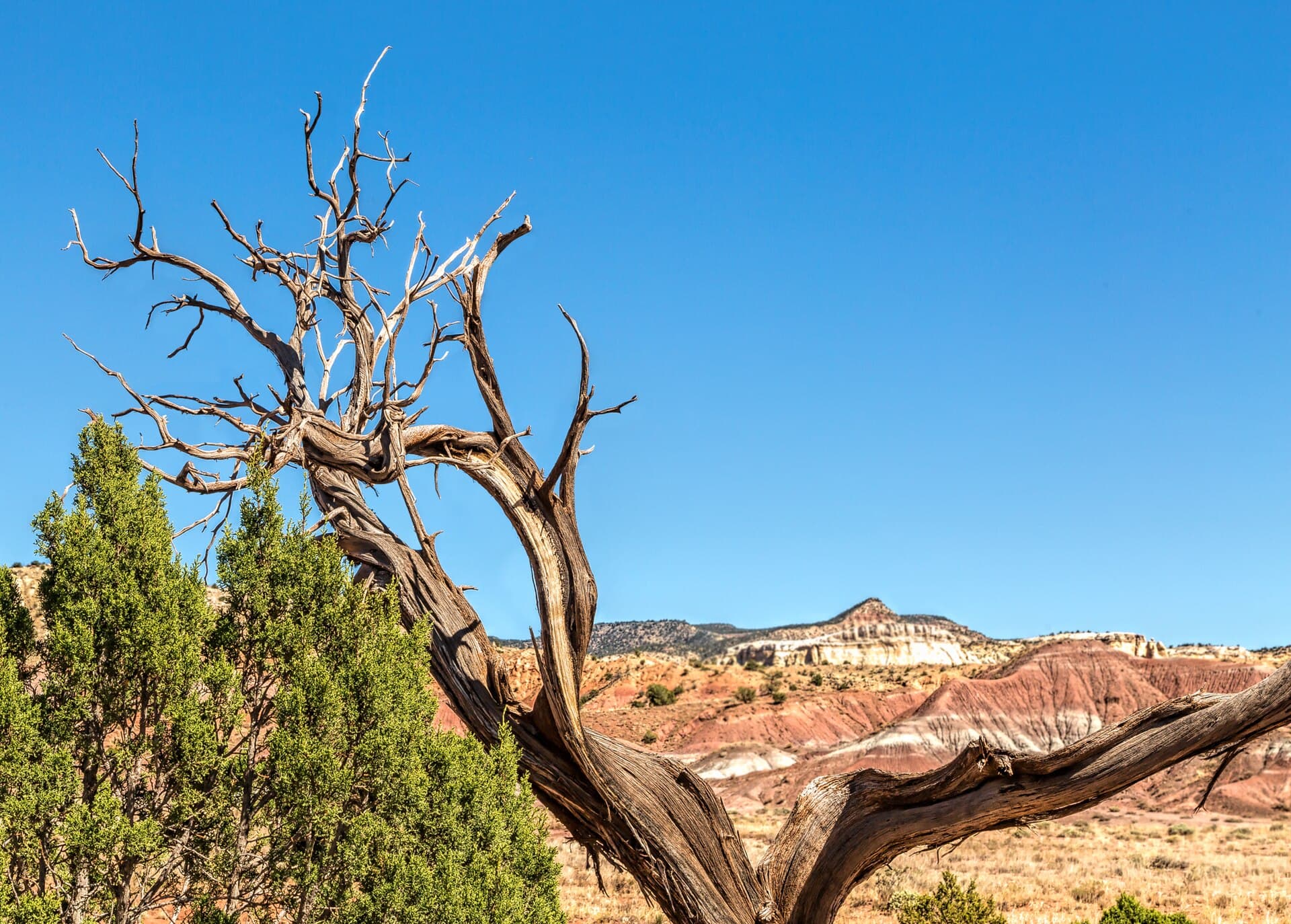
The ground itself is worth the detour on its own terms. The mesa breaks into a series of rocky spires and rounded formations that the local geology has shaped over long erosion, and the walking trails on the ranch move across high open ground with long views out over the valley country. The terrain is not difficult for most visitors in season, but it is exposed, and the high-desert weather that makes the light good for painters is the same weather that turns a long walk into a brisk one. The overlooks are the reason people drive out; the trails and the studios are the reason they stay.
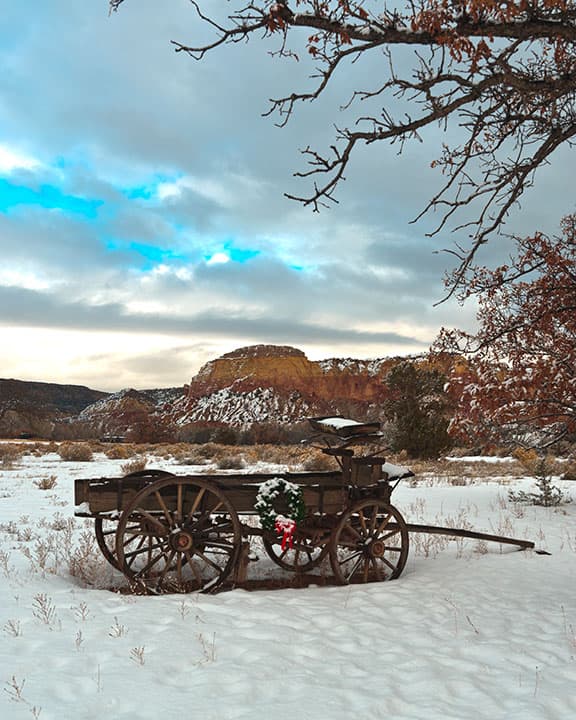
Access and hours deserve the plain answer. The ranch is reached by a short drive from the Santa Fe corridor to Abiquiu, and the visit page on the official site carries the current terms for parking, seasonal closures, and program access. Those terms shift, and the honest guidance for any trip is to confirm the day's status with the ranch before leaving town rather than relying on a guide's snapshot. The site closes and opens with the season, and the calendar of programs does the same, so the practical question is always the same: what is open, and what is booked.
This guide is desk research, not a first-person visit. The facts above follow the official ranch site and the published historical record, and where the current operating terms have not been rechecked this week, they are flagged. The receipts are the source of the claims; the rest is the honest distance between what the record says and what a standing visitor would see.
The reason the place keeps its standing is simple. It is a site where the landscape and the work done on it have been in conversation for a century, and the adobe, the trails, and the studios all carry that history. It is not a spectacle and it does not need to be one. It is a mesa that became a studio, and the studio a place people still come to make things, which is a rarer arrangement than it looks.
Visionary architecture, roadside art, and the slow evidence trail.
Research Note: confirm hours and access with the operator before a long drive.
Highlights
Artist Colony
Residencies, workshops, and guest studios on the mesa, run as a working artist community.
O'Keeffe Legacy
The painter's decades of visits and paintings are the core of the site's recorded history.
Mesa Trails
Walking trails across the high ground, with long views out over the valley country.
Adobe Structures
Original adobe buildings from the homestead era, preserved and adapted for the colony.