

Bosque del Apache is the kind of place that is best understood as a number and a geometry. The refuge sits in the valley country of the Rio Grande, near the small town of Silver City in New Mexico, and the claim that defines it is the wintering bird: in the peak of the winter season, the refuge hosts more than a hundred thousand snow geese and Ross's geese, and that number is the reason the place exists in the public mind. The refuge is a National Wildlife Refuge, which means it is managed for the birds rather than for the visitor, and the difference is the entire character of the visit.
The whooping crane is the second claim, and it is a smaller one that is worth the attention it gets. The cranes use the refuge as a stopover on their migration, and the numbers are not the numbers of the geese, but they are the numbers that matter for the species. The cranes are a small part of the wintering population, and the fact that they stop here at all is the claim that the refuge is built on. The geometry of the visit is the geometry of the flight: the birds move through the valley in formations that are the visual center of the place, and the vantage points on the refuge are placed for that geometry rather than for the landscape behind it.
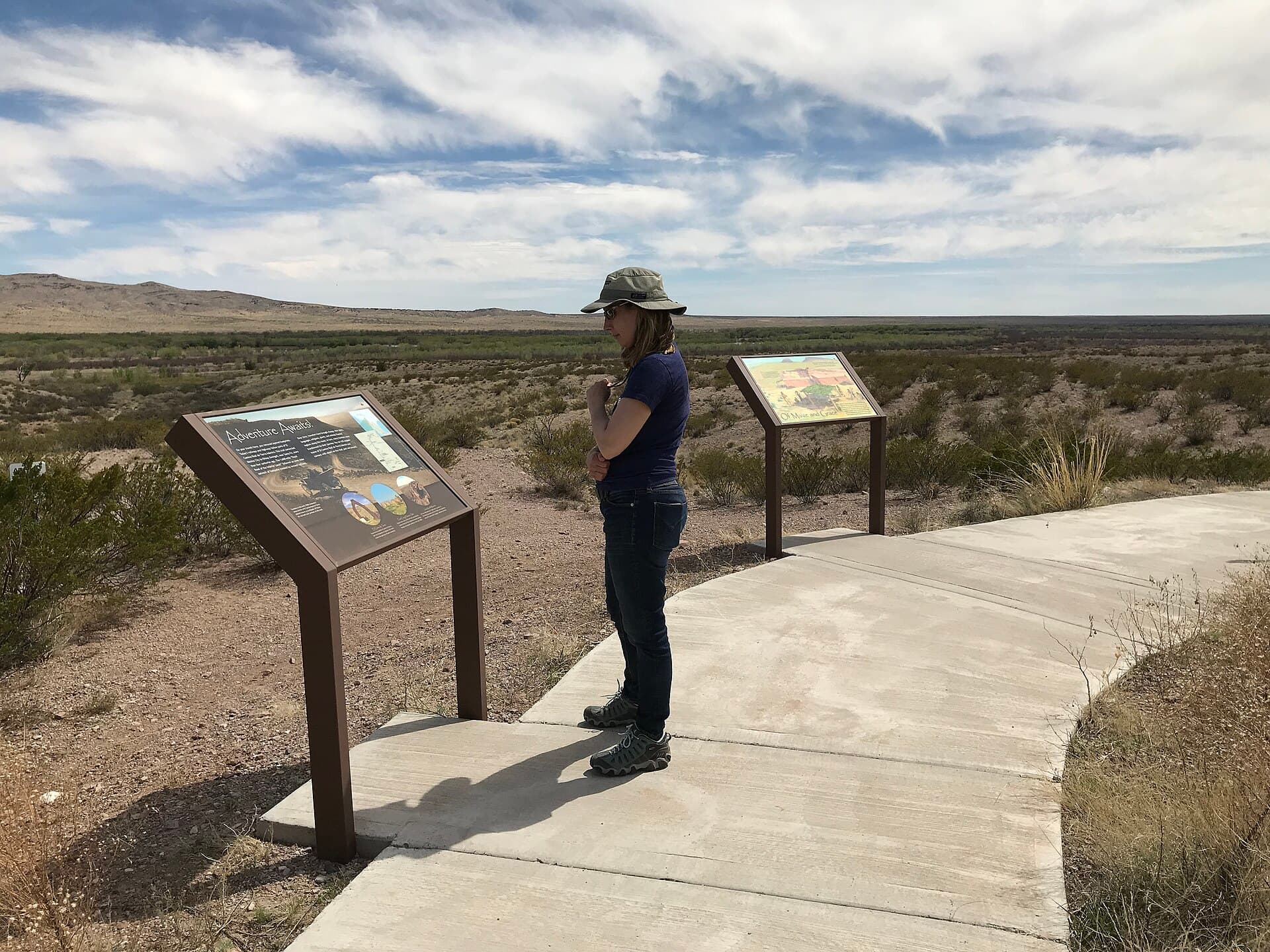
The architecture of the visit is the third claim, and it is the one that is easiest to miss. There is no general admission in the way a park has one; the refuge is accessed on its own terms, and the visit is built around self-guided boardwalks and overlooks that carry you through the valley to the points where the birds are visible. The boardwalks are the infrastructure of the visit, and the overlooks are the payoff. The refuge does not require you to buy your way in, and that is part of the character of the place: it is a place that is open on the terms of the birds rather than on the terms of a ticket booth.
The seasons are the fourth claim, and they are the reason the visit is what it is. The refuge is a winter spectacle, and the spring and summer are the quiet parts of the year when the birds are moving through rather than wintering in place. The dry seasons are the quiet parts, and the winter is the loud one. The character of the place changes with the season, and the visit is built around that change rather than against it. The winter is the reason the refuge exists, and the rest of the year is the reason the refuge is not always crowded.
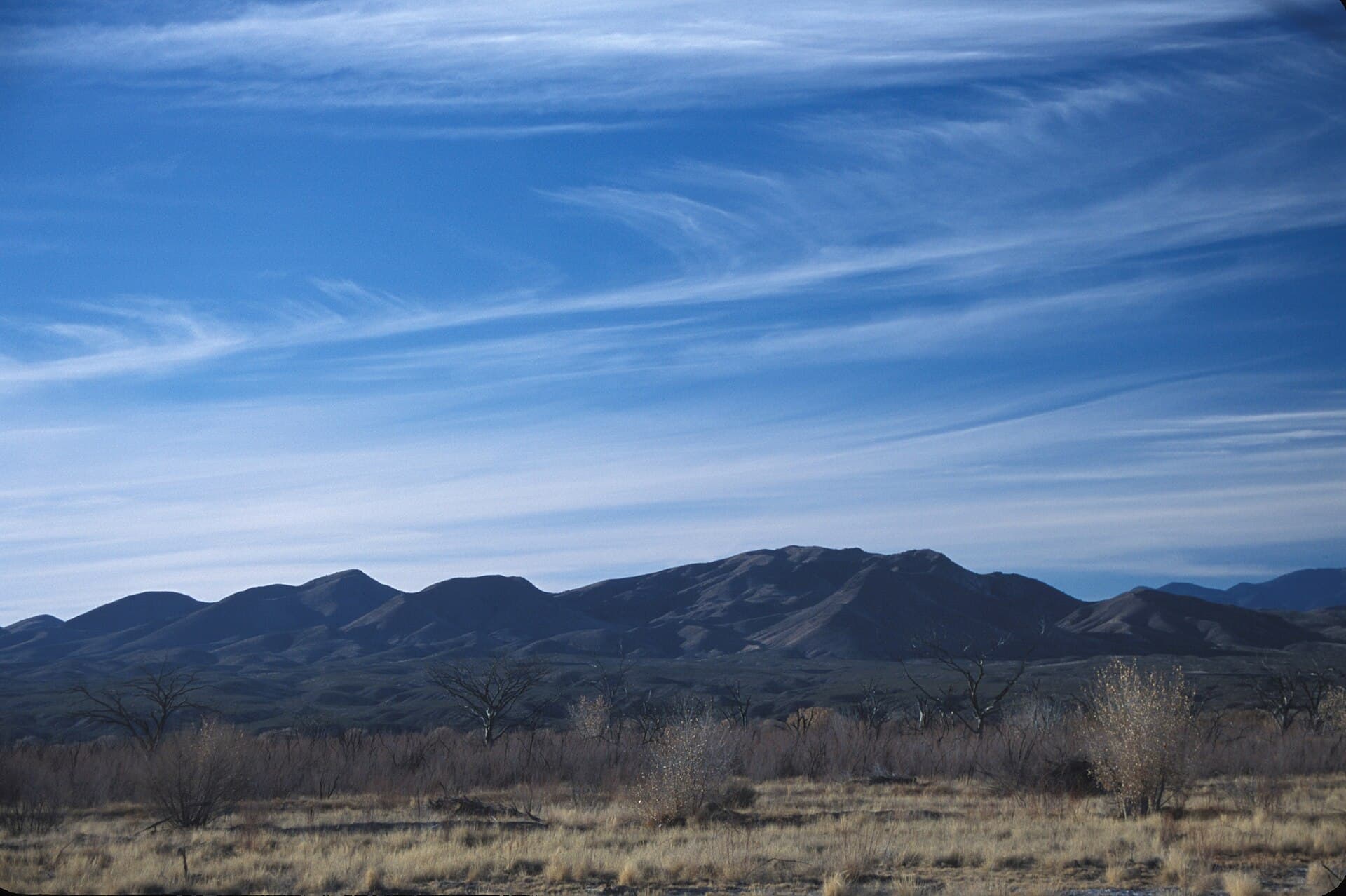
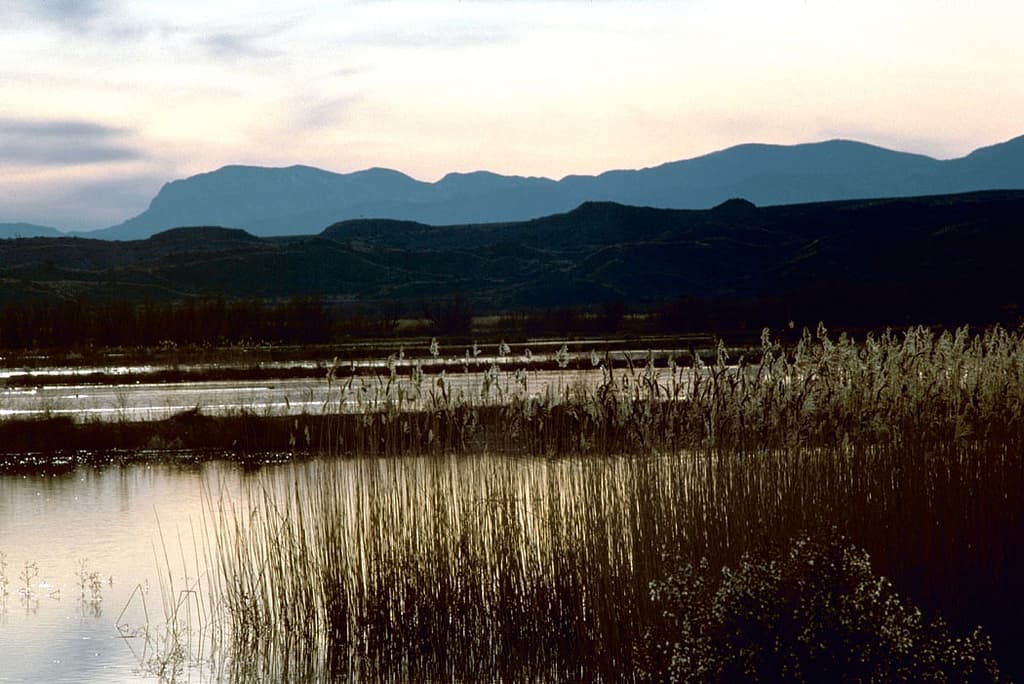
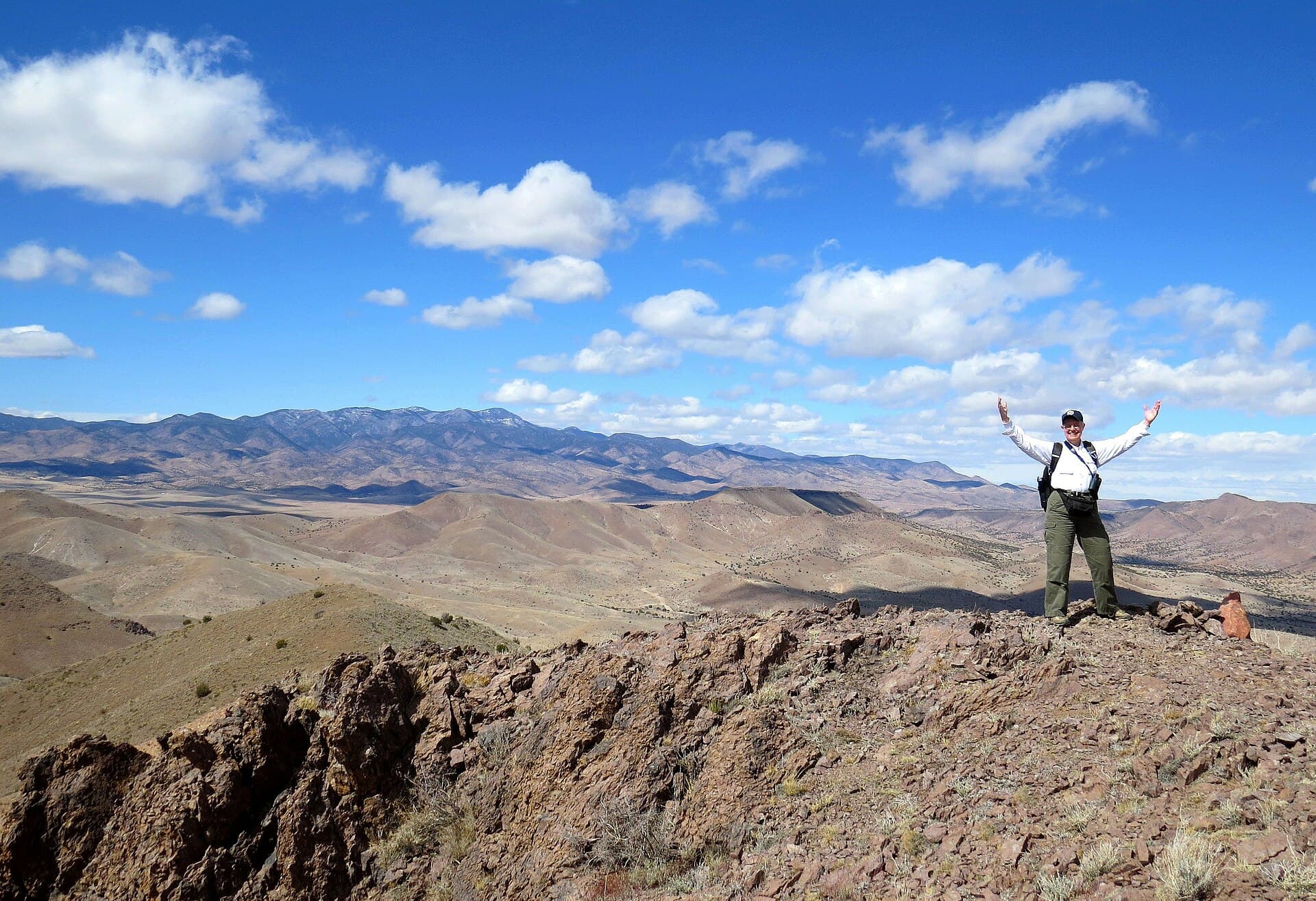
The valley itself is the ground of the visit, and it is the kind of high desert country that is the setting for the birds rather than the subject of them. The Rio Grande flows through the valley, and the wetlands around the river are the reason the birds are where they are. The landscape is not the point of the visit, and the birds are not the only thing to see, but the relationship between the valley and the birds is the reason the place is what it is. The valley is the stage, and the birds are the show, and the boardwalks are how you get into the room.
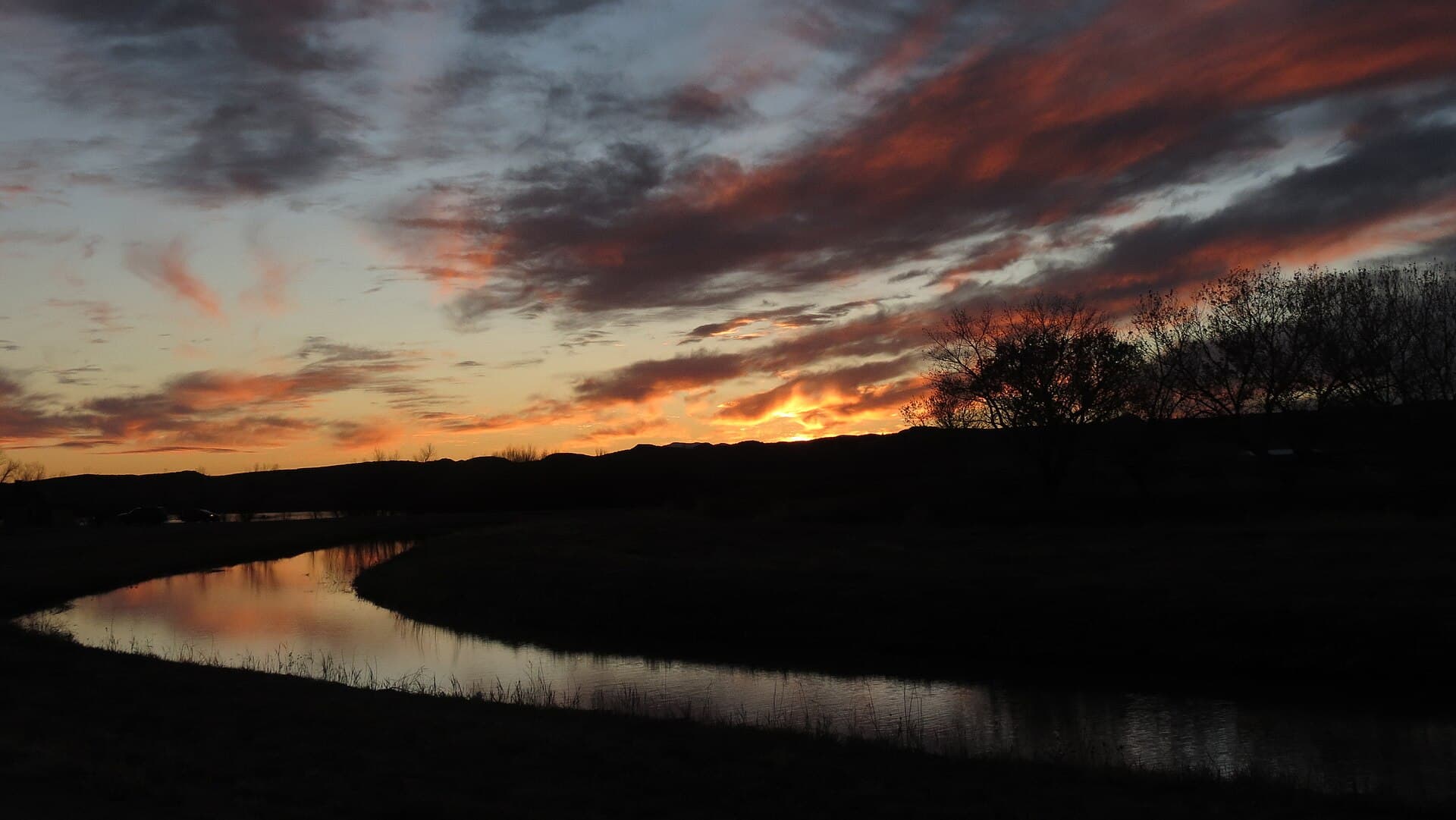
How to look is the practical question, and the answer is patience. The birds move in formations that take time to read, and the light is the reason the visit is what it is. The best version of the visit is the one that is unhurried, and the refuge is built for that pace rather than against it. The overlooks are the places where the patience pays, and the boardwalks are the places where it is earned. The visit is a long stillness, and the stillness is the point.
The practical details are the same as for any refuge: the hours, the fees, and the terms of the visit are on the official site, and they change with the season. The honest guidance is the same as for any visit to a managed natural place: confirm the current terms before you plan around them. The refuge is a small part of the valley, and the valley is a small part of the state, and the visit is what it is because of the relationship between the two.
This is desk research, not a first-person report. The numbers, the seasons, and the terms above follow the official refuge site and the published record, and where a detail has not been rechecked this week, it is flagged. The receipts are the source of the claims, and the rest is the honest distance between what the record says and what a standing visitor would see.
The refuge is the purest form of the patient visit on this list. It is a place that is built for the birds rather than for the visitor, and the visitor is built for the patience that the birds require. The geometry of the flight is the form of the place, and the form is the reason the visit is what it is. It is a place you come back to, which is the rarer of the two things a place can be, and the kind of thing that is hard to find on a map and easy to remember once you have stood still long enough to see it.
Patience, form, and the long look at places that reward it.
Research Note: confirm hours and access with the operator before a long drive.
Highlights
Wintering Geese
More than a hundred thousand snow and Ross's geese in the peak of the winter season, the number that defines the refuge.
Whooping Crane Stopover
A small but notable stopover for the whooping crane on its migration, the claim the refuge is built on.
Self-Guided Boardwalks
Boardwalks and overlooks that carry the visitor through the valley to the points where the birds are visible.
Seasonal Character
A winter spectacle and a quiet spring and summer; the visit is built around that change.